



Parametry
- 200 stron
- 7 godzin czytania
Więcej o książce
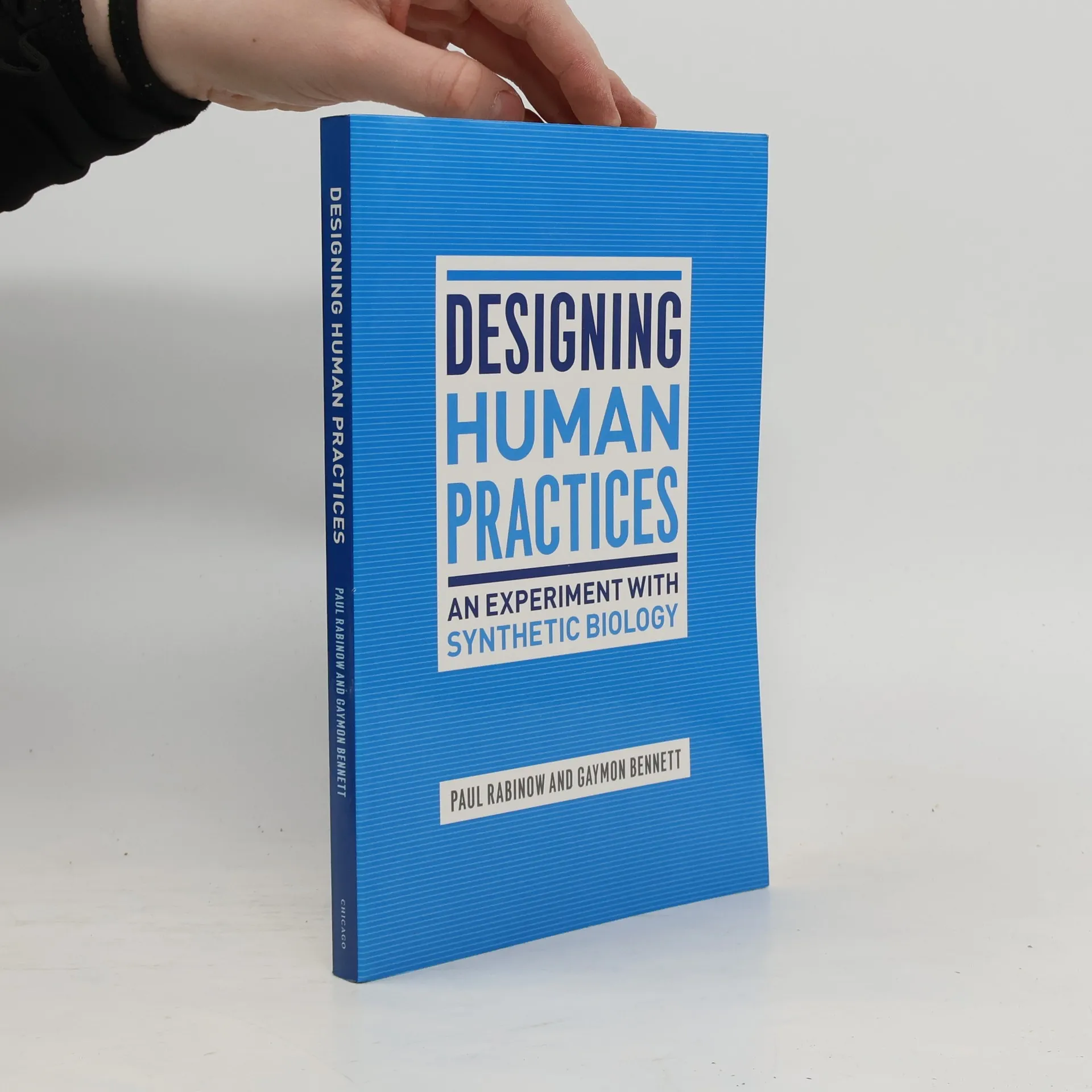
In 2006, anthropologists Paul Rabinow and Gaymon Bennett aimed to redefine the role of human sciences in biological research by establishing the Human Practices division of the Synthetic Biology Engineering Research Center. This facility was created to develop design standards for engineering new enzymes, genetic circuits, cells, and other biological entities while addressing ethical, security, and philosophical issues surrounding controversial biological work. Their goal was not just to monitor but to deeply integrate biosciences with anthropology, leading to a dynamic and experimental approach that could influence the center’s research. Designing Human Practices chronicles this anthropological experiment and its eventual rejection, offering insights into the challenges of collaboration and the micro-politics that limited the potential for mutual scientific advancement. By synthesizing biology, genetics, anthropology, and philosophy, and examining funding sources like the National Science Foundation, the work pushes the social study of science into new and thought-provoking areas. It uses real-world experiences to reflect on how human and life sciences can and should mutually transform each other.
Zakup książki
Designing Human Practices, Paul Rabinow, Gaymon Bennett
- Język

- Rok wydania
- 2012
- Oprawa
- (miękka)
Metody płatności
Brakuje nam tutaj Twojej recenzji.
- Tytuł
- Designing Human Practices
- Podtytuł
- An Experiment with Synthetic Biology
- Język
- angielski
- Autorzy
- Paul Rabinow, Gaymon Bennett
- Rok wydania
- 2012
- Oprawa
- miękka
- Liczba stron
- 200
- ISBN10
- 0226703142
- ISBN13
- 9780226703145
- Seria
- Kategorie
- Tagi
- Tematy historyczne, Nauki przyrodnicze, Nauka, USA, Badania naukowe, Biologia człowieka, Biotechnologia, Bioetyka
- Ocena
- 4 z 5
- Opis
- In 2006, anthropologists Paul Rabinow and Gaymon Bennett aimed to redefine the role of human sciences in biological research by establishing the Human Practices division of the Synthetic Biology Engineering Research Center. This facility was created to develop design standards for engineering new enzymes, genetic circuits, cells, and other biological entities while addressing ethical, security, and philosophical issues surrounding controversial biological work. Their goal was not just to monitor but to deeply integrate biosciences with anthropology, leading to a dynamic and experimental approach that could influence the center’s research. Designing Human Practices chronicles this anthropological experiment and its eventual rejection, offering insights into the challenges of collaboration and the micro-politics that limited the potential for mutual scientific advancement. By synthesizing biology, genetics, anthropology, and philosophy, and examining funding sources like the National Science Foundation, the work pushes the social study of science into new and thought-provoking areas. It uses real-world experiences to reflect on how human and life sciences can and should mutually transform each other.