

Parametry
- 140 stron
- 5 godzin czytania
Więcej o książce
The Saga of Gisli was written early in the thirteenth century. It offers an imaginative reconstruction of the story of a man and his family who came to Iceland from Norway about AD 960. Soon after 960 Gisli, the central figure, was outlawed for killing his brother-in-law, and then, for thirteen years or more, he lived in hiding in remote parts of the northwest of Iceland until he was finally caught and killed by his enemies. Around this imaginative core the author has spun a web of conflicting passions - love, hare and jealousy between man and wife, brother and sister, brother-in-law - intricate emotional bonds which are here seen ironically patterned against a background of inevitable fate. Gisli, the hero, is portrayed not only as a man of strength and courage, but also a poet and dreamer, tormented in his outlawry by nightmarish visions which seem gradualy to sap his will to resist. The author's probing into the emotional depths of his characters, the superbly effective architecture of his narrative leading to the central climax, his sense of the dramatic, and his cool, compelling style all combine to make this one of the most memorable of all the Icelandic sagas.
Zakup książki
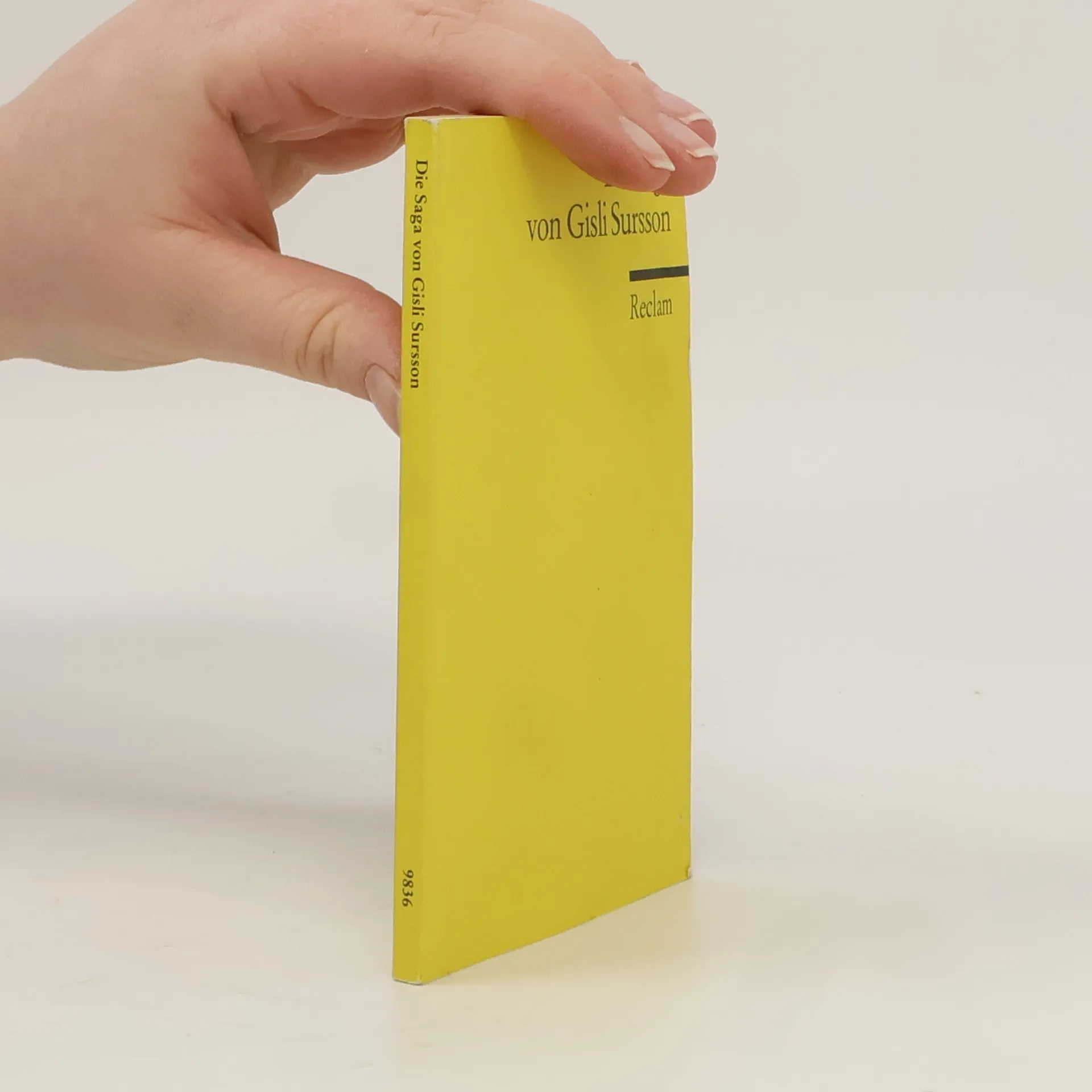
Die Saga von Gisli Sursson, anonym, Franz B. Seewald
- Język

- Rok wydania
- 1976
- Oprawa
- (miękka)
Metody płatności
Brakuje nam tutaj Twojej recenzji.
- Tytuł
- Die Saga von Gisli Sursson
- Język
- niemiecki
- Autorzy
- anonym, Franz B. Seewald
- Wydawca
- Reclam
- Rok wydania
- 1976
- Oprawa
- miękka
- Liczba stron
- 140
- ISBN10
- 315009836X
- ISBN13
- 9783150098363
- Seria
- Ocena
- 3,35 z 5
- Opis
- The Saga of Gisli was written early in the thirteenth century. It offers an imaginative reconstruction of the story of a man and his family who came to Iceland from Norway about AD 960. Soon after 960 Gisli, the central figure, was outlawed for killing his brother-in-law, and then, for thirteen years or more, he lived in hiding in remote parts of the northwest of Iceland until he was finally caught and killed by his enemies. Around this imaginative core the author has spun a web of conflicting passions - love, hare and jealousy between man and wife, brother and sister, brother-in-law - intricate emotional bonds which are here seen ironically patterned against a background of inevitable fate. Gisli, the hero, is portrayed not only as a man of strength and courage, but also a poet and dreamer, tormented in his outlawry by nightmarish visions which seem gradualy to sap his will to resist. The author's probing into the emotional depths of his characters, the superbly effective architecture of his narrative leading to the central climax, his sense of the dramatic, and his cool, compelling style all combine to make this one of the most memorable of all the Icelandic sagas.