




Więcej o książce
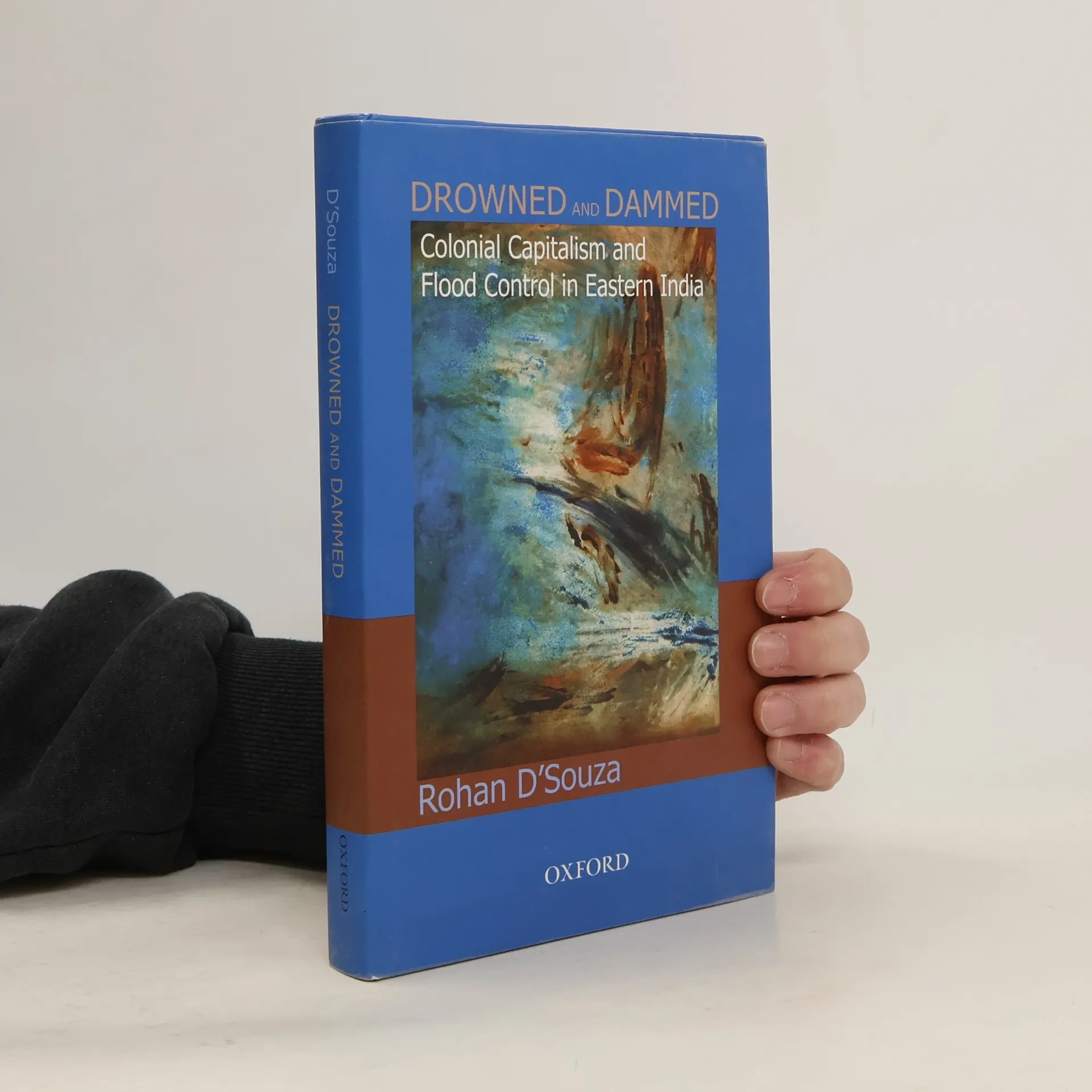
The volume deals with major debates in India's environmental history. It critiques existing discourse by discussing colonial flood control strategies in eastern India. It explores the idea and practice of flood control and argues for a comprehensive reconsideration of the debate on thecolonial environmental watershed, its hydraulic legacy and questions contemporary enthusiasm for flood control in post-independent India. The emphasis is on revealing how colonial flood control measures were implicated in attempts to consolidate capitalist relations in ownership, production, andtowards commanding the deltaic rivers as a 'natural resource' for capitalist accumulation. The idea and practice of flood control was not merely a technical intervention but principally a political project, deeply implicated in the social, economic and political calculations of capitalism in generaland colonialism in particular. Such an analytical perspective also provides a useful backdrop to understanding several aspects of the contemporary water crisis in postcolonial India. The book also intends to be a necessary corrective and a useful addition to the otherwise limited writings on theIndian subcontinent's hydraulic histories.
Zakup książki
Drowned and Dammed, Rohan D'Souza
- Język

- Rok wydania
- 2006
- Oprawa
- (twarda),
- Stan książki
- Uszkodzony
- Cena
- 146,91 zł
Metody płatności
Brakuje nam tutaj Twojej recenzji.
- Tytuł
- Drowned and Dammed
- Podtytuł
- Colonial Capitalism and Flood Control in Eastern India
- Język
- angielski
- Autorzy
- Rohan D'Souza
- Wydawca
- Oxford University Press
- Rok wydania
- 2006
- Oprawa
- twarda
- Liczba stron
- 292
- ISBN10
- 0195682173
- ISBN13
- 9780195682175
- Seria
- Kategorie
- Tagi
- Tematy historyczne, Biznes, Teorie polityczne, Indie, Rozwój, Historia gospodarcza, Ekonomia polityczna, Aspekty polityczne
- Ocena
- 3,75 z 5
- Opis
- The volume deals with major debates in India's environmental history. It critiques existing discourse by discussing colonial flood control strategies in eastern India. It explores the idea and practice of flood control and argues for a comprehensive reconsideration of the debate on thecolonial environmental watershed, its hydraulic legacy and questions contemporary enthusiasm for flood control in post-independent India. The emphasis is on revealing how colonial flood control measures were implicated in attempts to consolidate capitalist relations in ownership, production, andtowards commanding the deltaic rivers as a 'natural resource' for capitalist accumulation. The idea and practice of flood control was not merely a technical intervention but principally a political project, deeply implicated in the social, economic and political calculations of capitalism in generaland colonialism in particular. Such an analytical perspective also provides a useful backdrop to understanding several aspects of the contemporary water crisis in postcolonial India. The book also intends to be a necessary corrective and a useful addition to the otherwise limited writings on theIndian subcontinent's hydraulic histories.