

Parametry
- 256 stron
- 9 godzin czytania
Więcej o książce
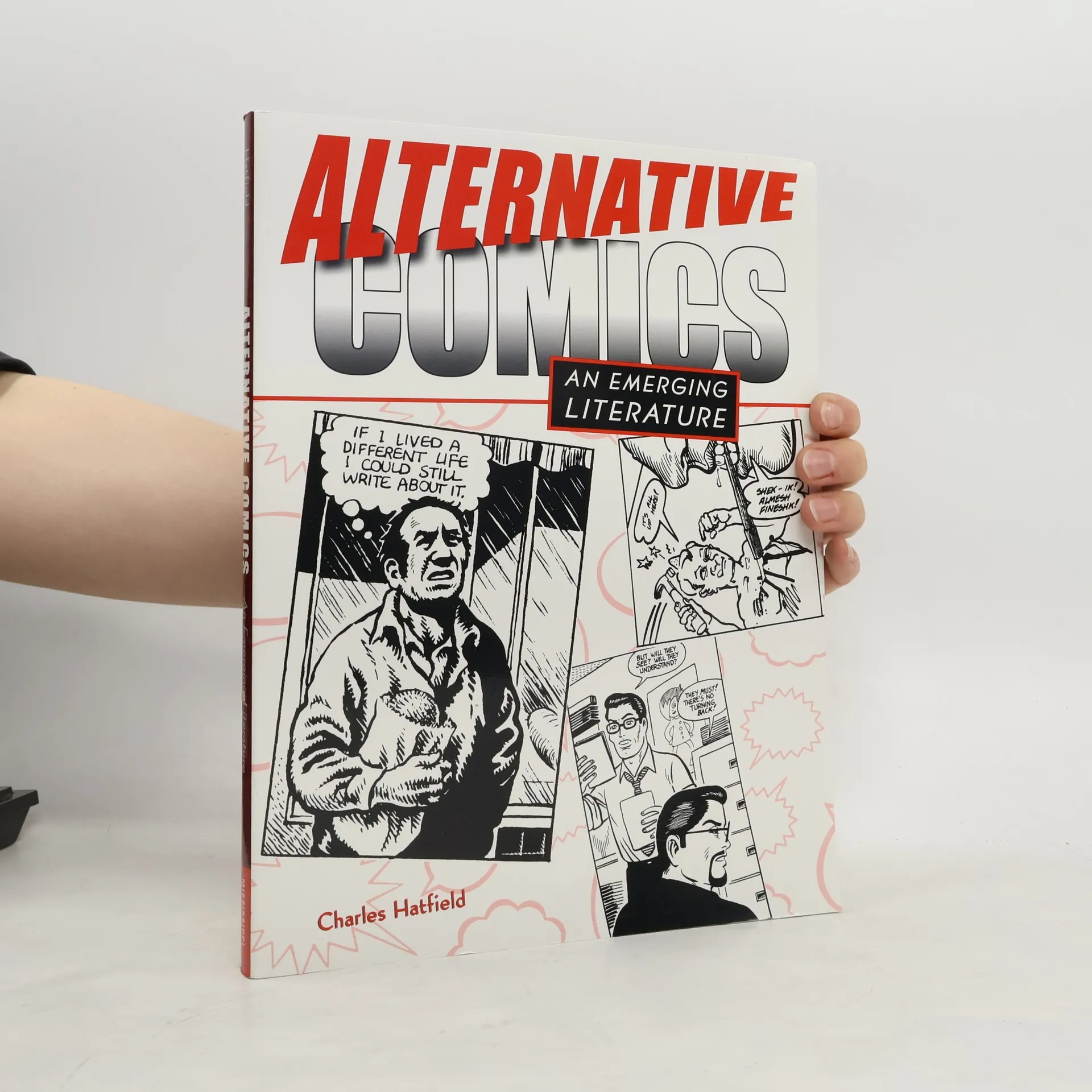
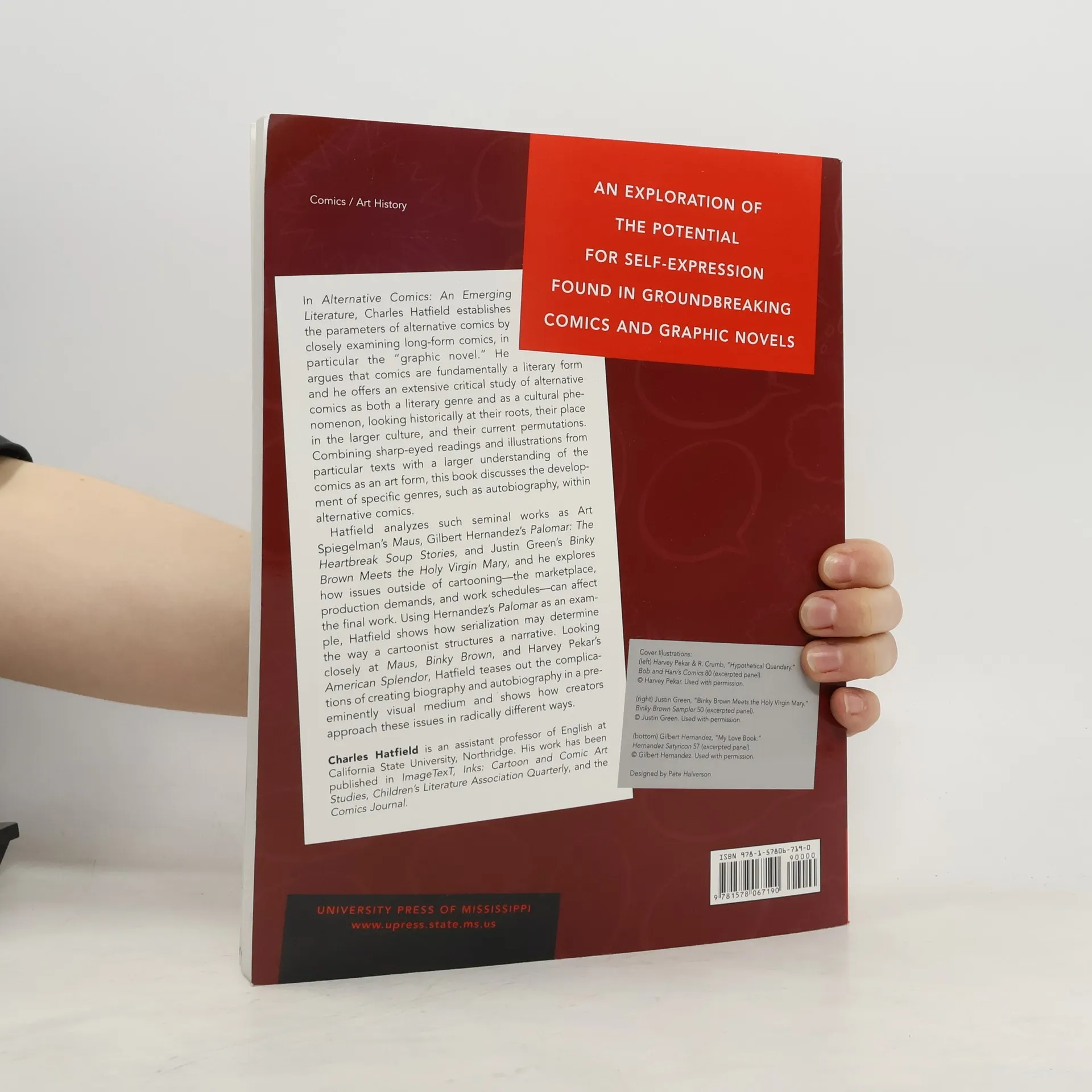
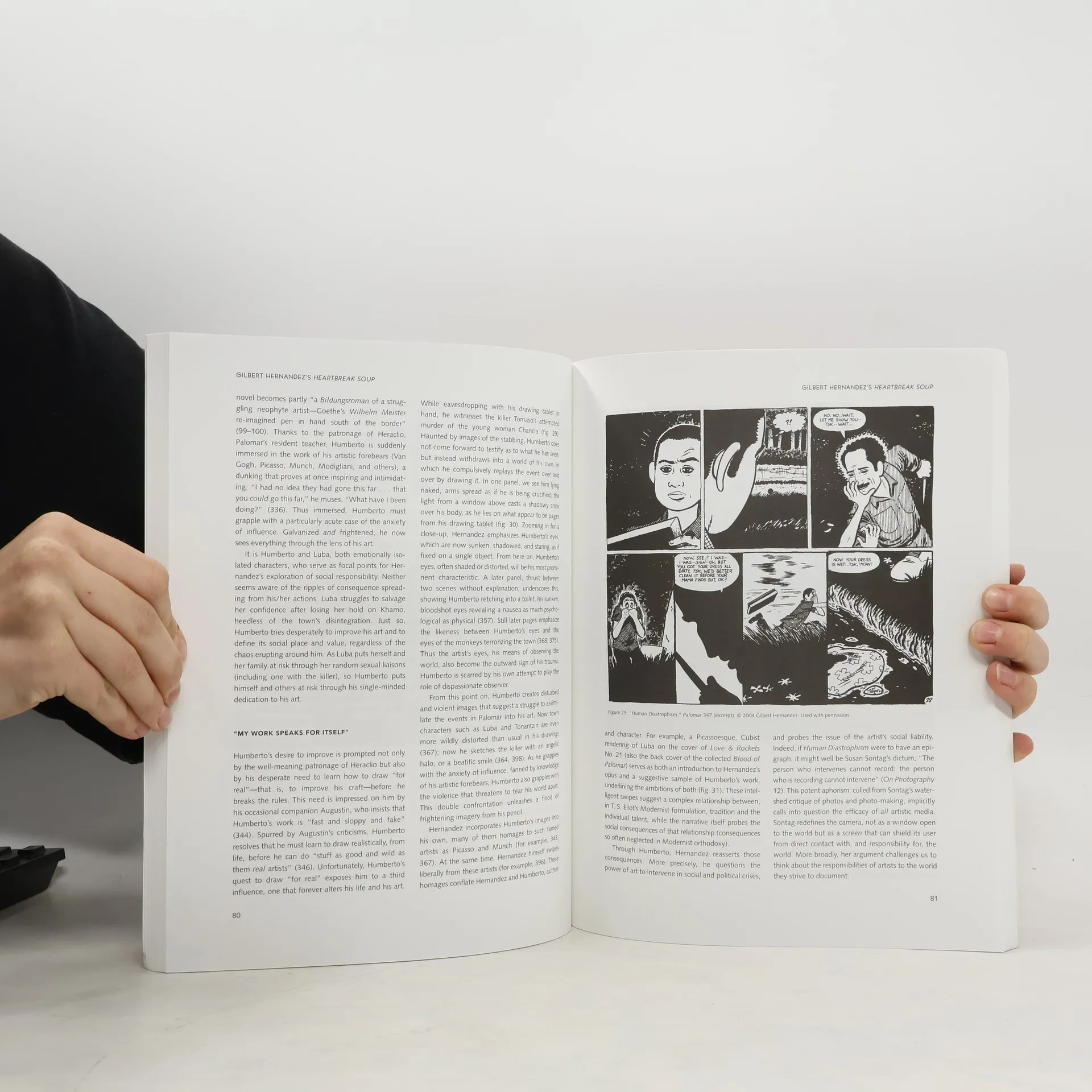
In the 1980s, comics underwent a significant transformation, marked by the influence of Art Spiegelman and Françoise Mouly's avant-garde anthology Raw and the debut of Love & Rockets by the Hernandez brothers. This era introduced alternative comics that were more autobiographical, emotionally resonant, and experimental than previous works. These comics diverged from the scatological satires of the 1960s underground and the colorful newspaper strips or superhero narratives. Charles Hatfield's exploration of alternative comics focuses on long-form works, particularly the graphic novel, asserting that they represent a distinct literary form. He provides a critical analysis of these comics as both a literary genre and a cultural phenomenon, combining insightful readings and illustrations with a broader understanding of comics as an art form. Hatfield examines significant works like Spiegelman's Maus, Gilbert Hernandez's The Heartbreak Soup Stories, and Justin Green's Binky Brown Meets the Holy Virgin Mary. He discusses how external factors—such as the marketplace and production demands—impact the final product. Using Hernandez's Palomar as a case study, he illustrates how serialization influences narrative structure. Through a detailed analysis of Maus, Binky Brown, and Harvey Pekar's American Splendor, Hatfield reveals the complexities of crafting biography and autobiography in a visual medium, highlighting the diverse approa
Zakup książki
Alternative Comics, Charles Hatfield
- Język

- Rok wydania
- 2005
- Oprawa
- (miękka)
Metody płatności
Brakuje nam tutaj Twojej recenzji.
- Tytuł
- Alternative Comics
- Podtytuł
- An Emerging Literature
- Język
- angielski
- Autorzy
- Charles Hatfield
- Rok wydania
- 2005
- Oprawa
- miękka
- Liczba stron
- 256
- ISBN10
- 1578067197
- ISBN13
- 9781578067190
- Seria
- Kategorie
- Tagi
- Humor, Sztuka, USA, Historia sztuki, Pisanie, Teorie naukowe, Tradycje, Antyki
- Ocena
- 3,95 z 5
- Opis
- In the 1980s, comics underwent a significant transformation, marked by the influence of Art Spiegelman and Françoise Mouly's avant-garde anthology Raw and the debut of Love & Rockets by the Hernandez brothers. This era introduced alternative comics that were more autobiographical, emotionally resonant, and experimental than previous works. These comics diverged from the scatological satires of the 1960s underground and the colorful newspaper strips or superhero narratives. Charles Hatfield's exploration of alternative comics focuses on long-form works, particularly the graphic novel, asserting that they represent a distinct literary form. He provides a critical analysis of these comics as both a literary genre and a cultural phenomenon, combining insightful readings and illustrations with a broader understanding of comics as an art form. Hatfield examines significant works like Spiegelman's Maus, Gilbert Hernandez's The Heartbreak Soup Stories, and Justin Green's Binky Brown Meets the Holy Virgin Mary. He discusses how external factors—such as the marketplace and production demands—impact the final product. Using Hernandez's Palomar as a case study, he illustrates how serialization influences narrative structure. Through a detailed analysis of Maus, Binky Brown, and Harvey Pekar's American Splendor, Hatfield reveals the complexities of crafting biography and autobiography in a visual medium, highlighting the diverse approa