


Więcej o książce
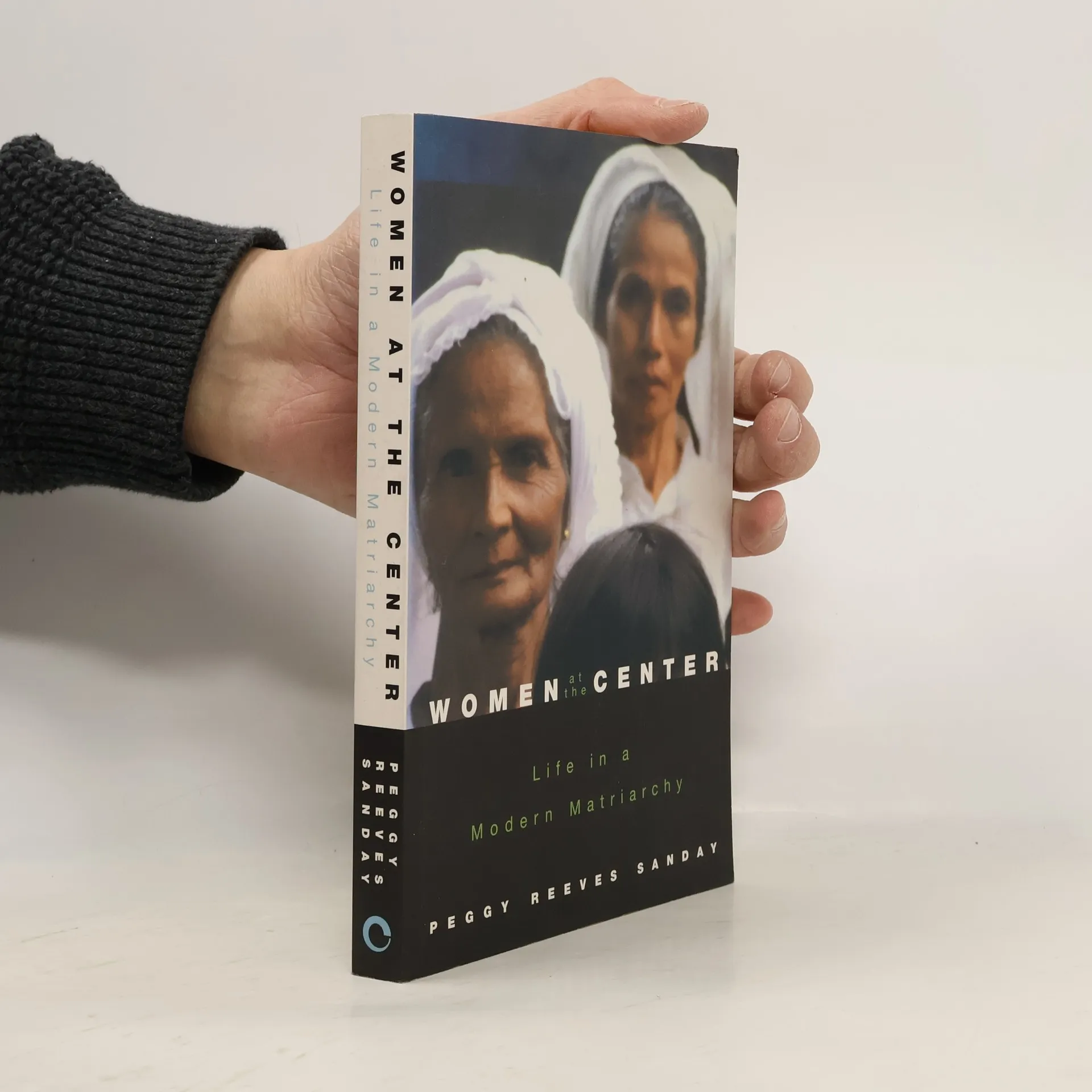
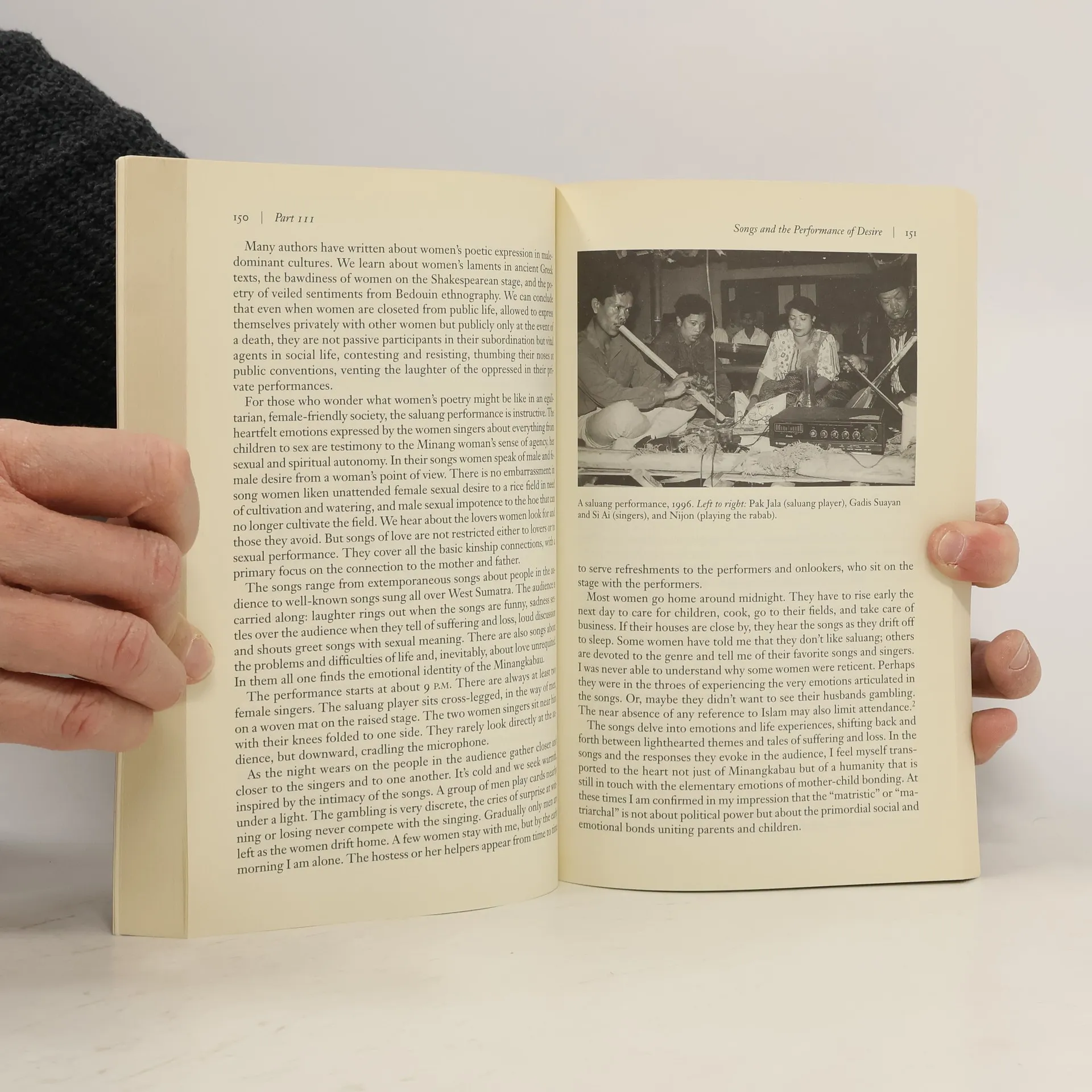
Contrary to the declarations of some anthropologists, matriarchies do exist. Peggy Reeves Sanday first went to West Sumatra in 1981, intrigued by reports that the matrilineal Minangkabau―one of the largest ethnic groups in Indonesia―label their society a matriarchy. Numbering some four million in West Sumatra, the Minangkabau are known in Indonesia for their literary flair, business acumen, and egalitarian, democratic relationships between men and women. Sanday uses her repeated visits to West Sumatra in the closing decades of the twentieth century as the basis for a new definition of matriarchy. From the vantage point of daily life in villages, especially one where she developed close personal ties, Sanday's narrative is centered on howthe Minangkabau conceive of their world and think humans should behave, along with the practices and rituals they claim uphold their matriarchate. Women at the Center leaves the reader with a solid sense of the respect for women that permeates Minangkabau culture, and gives new life to the concept of matriarchy.
Zakup książki
Women at the Center, Peggy Reeves Sanday
- Język

- Rok wydania
- 2002
- Oprawa
- (miękka)
Metody płatności
Brakuje nam tutaj Twojej recenzji.
- Tytuł
- Women at the Center
- Podtytuł
- Life in a Modern Matriarchy
- Język
- angielski
- Autorzy
- Peggy Reeves Sanday
- Wydawca
- Cornell University Press
- Rok wydania
- 2002
- Oprawa
- miękka
- Liczba stron
- 288
- ISBN10
- 0801489067
- ISBN13
- 9780801489068
- Seria
- Kategorie
- Ocena
- 3,4 z 5
- Opis
- Contrary to the declarations of some anthropologists, matriarchies do exist. Peggy Reeves Sanday first went to West Sumatra in 1981, intrigued by reports that the matrilineal Minangkabau―one of the largest ethnic groups in Indonesia―label their society a matriarchy. Numbering some four million in West Sumatra, the Minangkabau are known in Indonesia for their literary flair, business acumen, and egalitarian, democratic relationships between men and women. Sanday uses her repeated visits to West Sumatra in the closing decades of the twentieth century as the basis for a new definition of matriarchy. From the vantage point of daily life in villages, especially one where she developed close personal ties, Sanday's narrative is centered on howthe Minangkabau conceive of their world and think humans should behave, along with the practices and rituals they claim uphold their matriarchate. Women at the Center leaves the reader with a solid sense of the respect for women that permeates Minangkabau culture, and gives new life to the concept of matriarchy.