

Więcej o książce
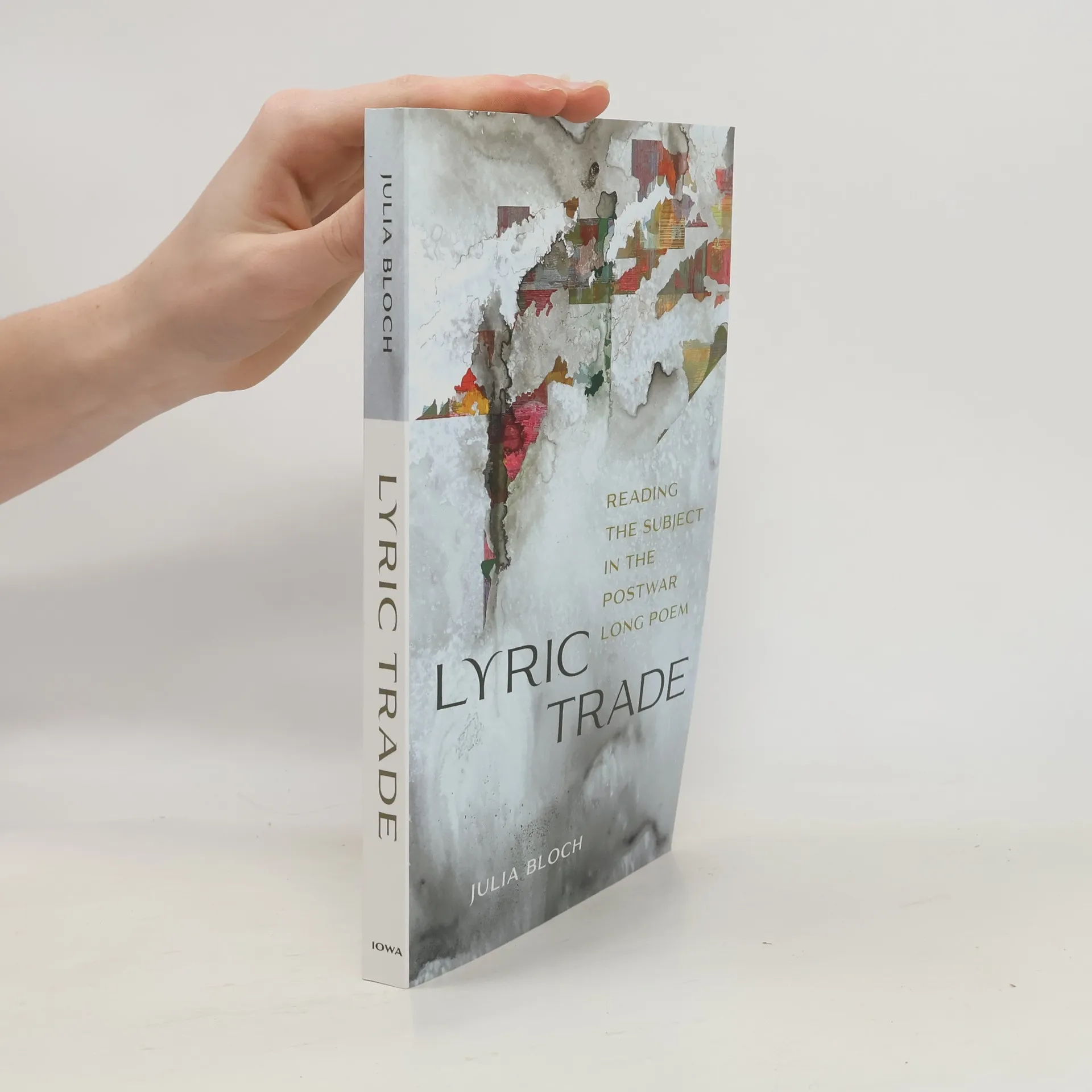
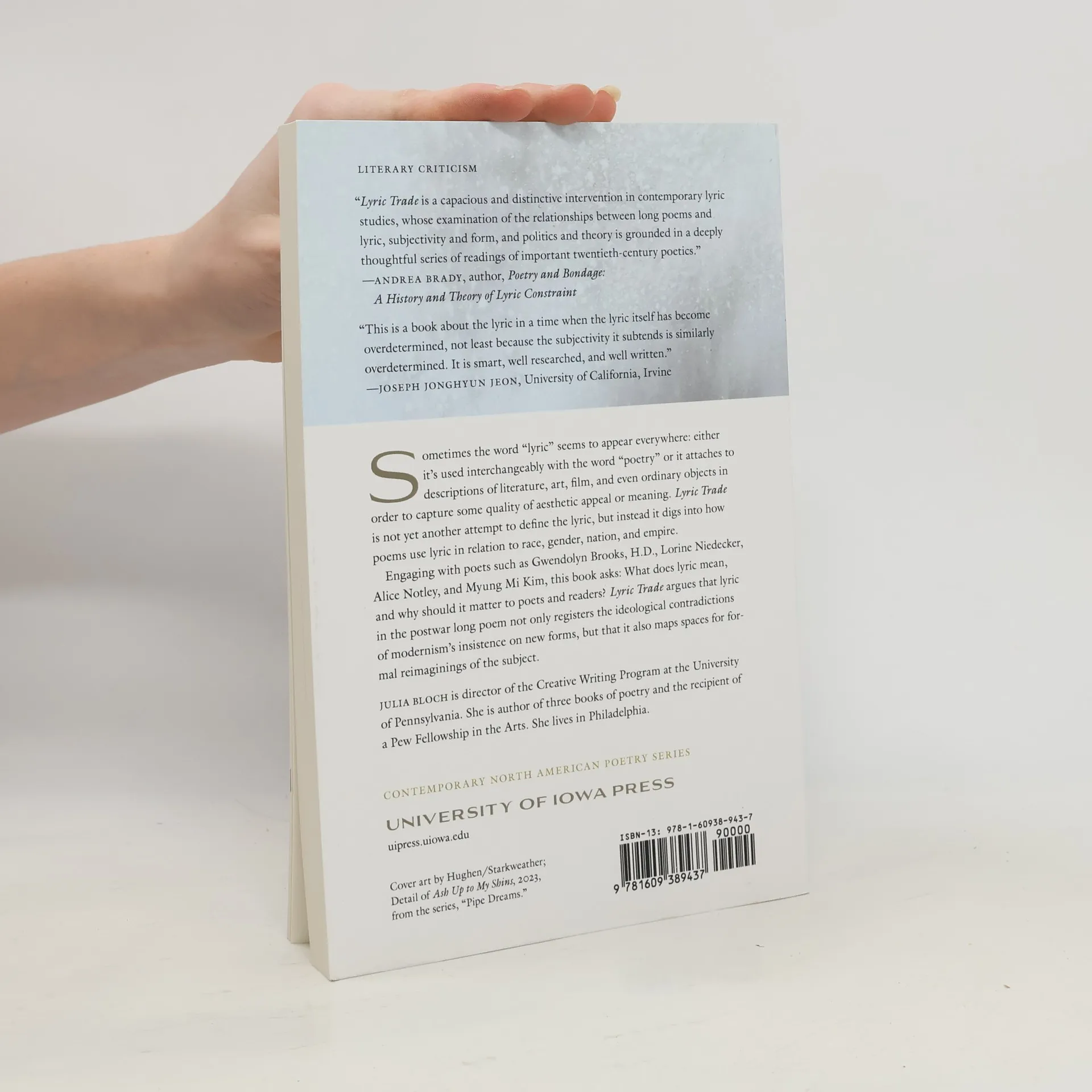
Sometimes the word “lyric” seems to appear either it’s used interchangeably with the word “poetry” or it attaches to descriptions of literature, art, film, and even ordinary objects in order to capture some quality of aesthetic appeal or meaning. Lyric Trade is not yet another attempt to define the lyric, but instead it digs into how poems use lyric in relation to race, gender, nation, and empire.Engaging with poets such as Gwendolyn Brooks, H.D., Lorine Niedecker, Alice Notley, and Myung Mi Kim, this book What does lyric mean, and why should it matter to poets and readers? Lyric Trade argues that lyric in the postwar long poem not only registers the ideological contradictions of modernism’s insistence on new forms, but that it also maps spaces for formal reimaginings of the subject.
Zakup książki
Contemporary North American Poetry: Lyric Trade, Julia Bloch Frey
- Język

- Rok wydania
- 2024
- Oprawa
- (miękka)
Metody płatności
Nikt jeszcze nie ocenił.
- Tytuł
- Contemporary North American Poetry: Lyric Trade
- Podtytuł
- Reading the Subject in the Postwar Long Poem
- Język
- angielski
- Autorzy
- Julia Bloch Frey
- Wydawca
- University of Iowa Press
- Rok wydania
- 2024
- Oprawa
- miękka
- Liczba stron
- 247
- ISBN10
- 1609389433
- ISBN13
- 9781609389437
- Seria
- Opis
- Sometimes the word “lyric” seems to appear either it’s used interchangeably with the word “poetry” or it attaches to descriptions of literature, art, film, and even ordinary objects in order to capture some quality of aesthetic appeal or meaning. Lyric Trade is not yet another attempt to define the lyric, but instead it digs into how poems use lyric in relation to race, gender, nation, and empire.Engaging with poets such as Gwendolyn Brooks, H.D., Lorine Niedecker, Alice Notley, and Myung Mi Kim, this book What does lyric mean, and why should it matter to poets and readers? Lyric Trade argues that lyric in the postwar long poem not only registers the ideological contradictions of modernism’s insistence on new forms, but that it also maps spaces for formal reimaginings of the subject.