


Więcej o książce
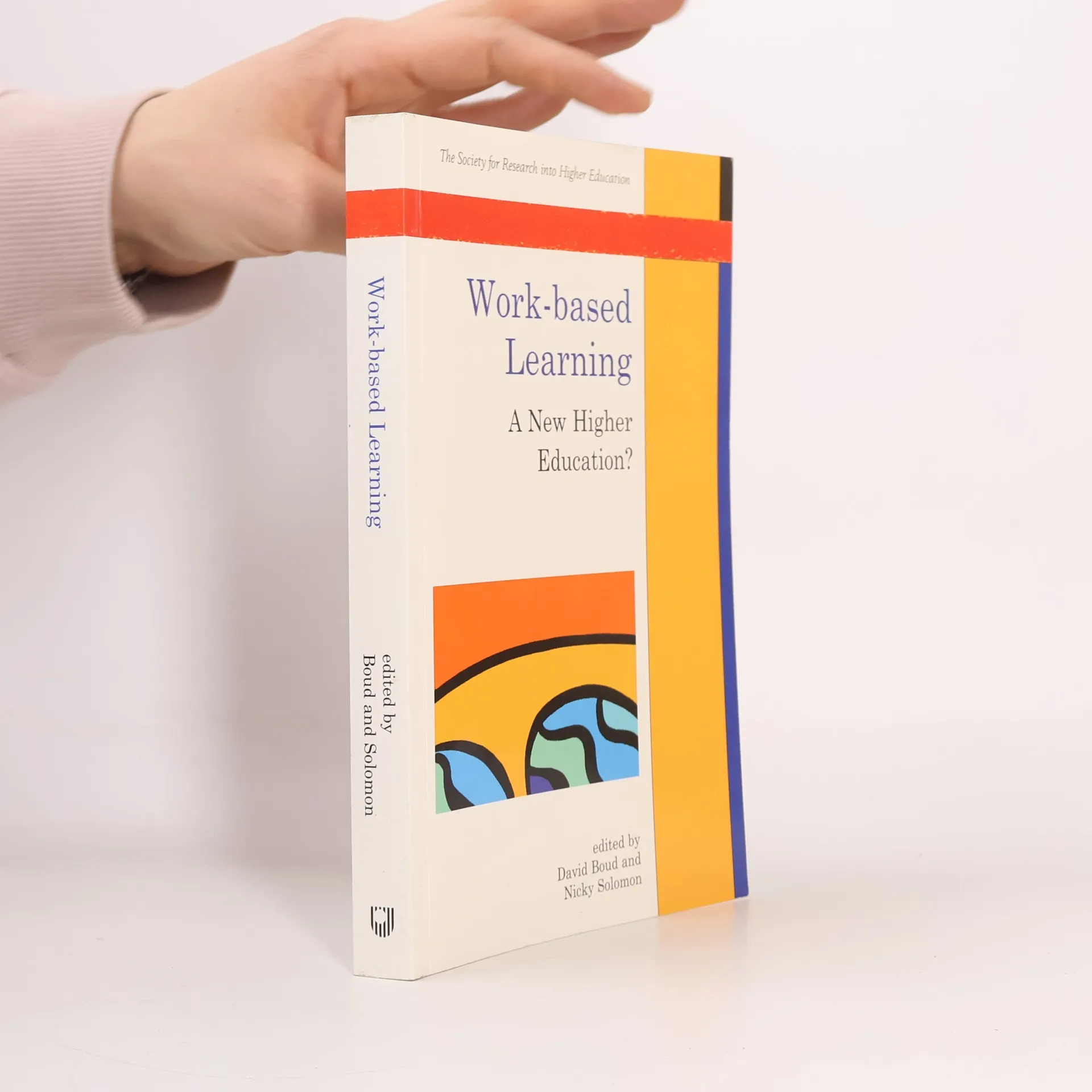
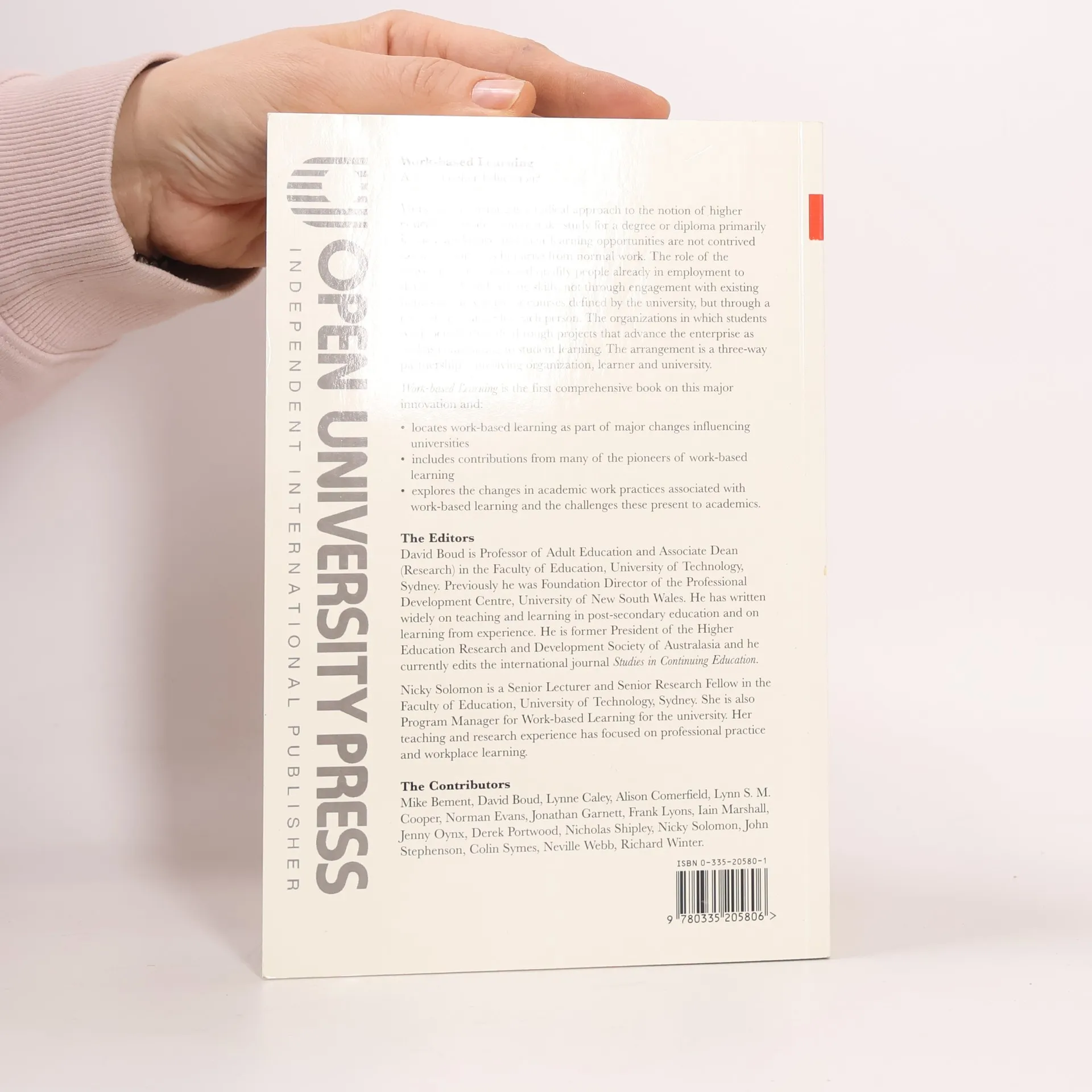
Work-based learning represents a transformative approach to higher education, where students primarily engage in degree or diploma studies within their workplaces. Learning opportunities arise organically from regular work activities rather than being artificially created for academic purposes. The university's role shifts to equipping employed individuals with lifelong learning skills through a personalized curriculum, rather than through traditional disciplines or predefined courses. This model fosters a three-way partnership among the organization, the learner, and the university, aligning individual learning with the strategic goals of the organization and leveraging the knowledge and experience students bring to their studies. The university's key responsibility lies in recognizing, assessing, and accrediting this learning. This comprehensive exploration of work-based learning situates it within the broader changes impacting universities, featuring insights from pioneers in the field. It offers accessible accounts of the associated teaching, learning, and assessment practices, while also examining the effects of this innovation on institutions and the shifts in academic work practices it necessitates, alongside the challenges faced by academics.
Zakup książki
Work-Based Learning, David Boud, Nicky Solomon
- Język

- Rok wydania
- 2001
- Oprawa
- (miękka)
Metody płatności
Brakuje nam tutaj Twojej recenzji.
- Tytuł
- Work-Based Learning
- Język
- angielski
- Autorzy
- David Boud, Nicky Solomon
- Wydawca
- Open University Press
- Rok wydania
- 2001
- Oprawa
- miękka
- Liczba stron
- 224
- ISBN10
- 0335205801
- ISBN13
- 9780335205806
- Seria
- Ocena
- 3 z 5
- Opis
- Work-based learning represents a transformative approach to higher education, where students primarily engage in degree or diploma studies within their workplaces. Learning opportunities arise organically from regular work activities rather than being artificially created for academic purposes. The university's role shifts to equipping employed individuals with lifelong learning skills through a personalized curriculum, rather than through traditional disciplines or predefined courses. This model fosters a three-way partnership among the organization, the learner, and the university, aligning individual learning with the strategic goals of the organization and leveraging the knowledge and experience students bring to their studies. The university's key responsibility lies in recognizing, assessing, and accrediting this learning. This comprehensive exploration of work-based learning situates it within the broader changes impacting universities, featuring insights from pioneers in the field. It offers accessible accounts of the associated teaching, learning, and assessment practices, while also examining the effects of this innovation on institutions and the shifts in academic work practices it necessitates, alongside the challenges faced by academics.