

Więcej o książce
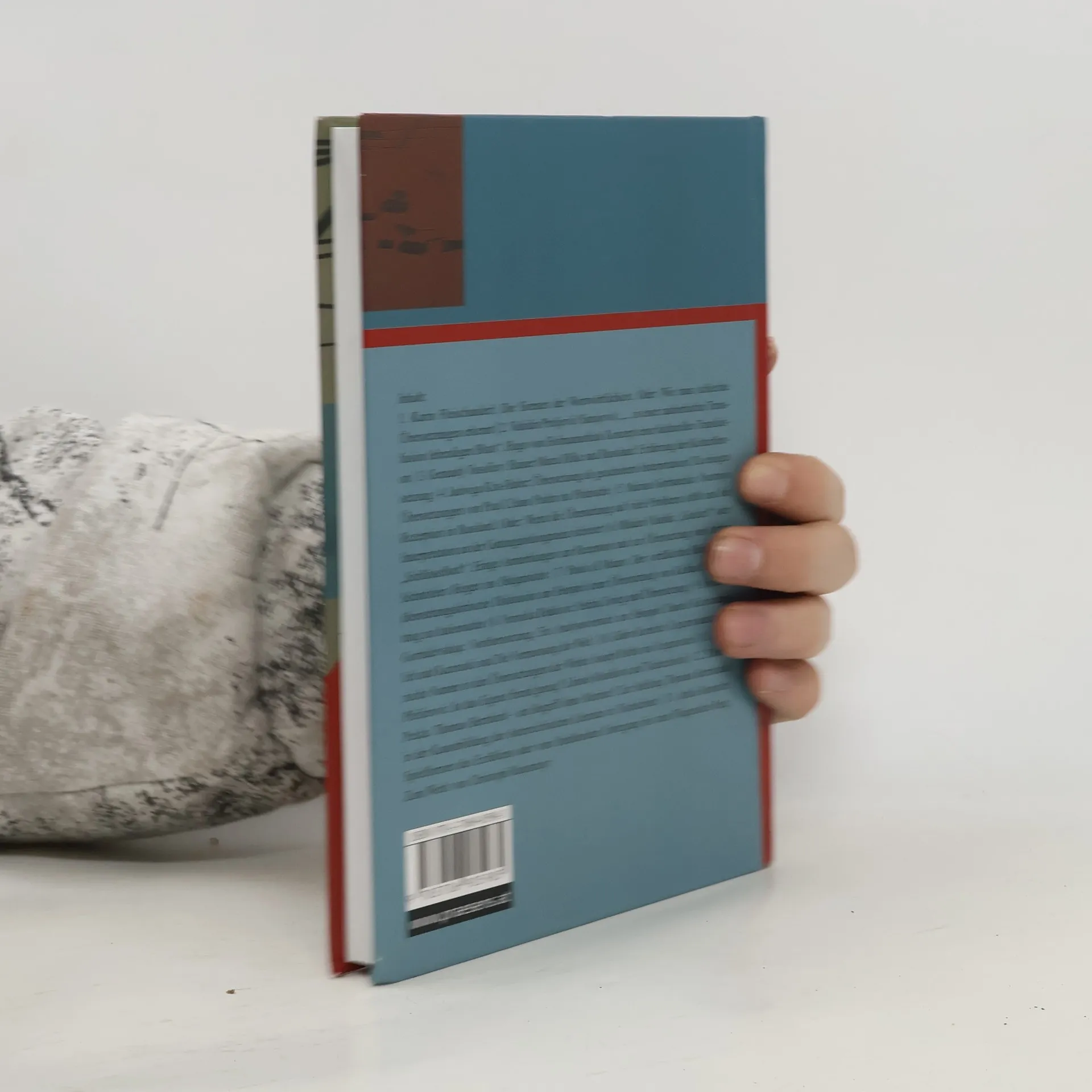
1. Karin Fleischanderl explores how to identify poor translations. 2. Vahidin Preljević discusses Hugo von Hofmannsthal's concept of cultural translation. 3. Gennady Vassiliev examines Rainer Maria Rilke's experiences with cultural translation in Russia. 4. Jadwiga Kita-Huber questions whether translation is a failed interpretation, focusing on Paul Celan's Psalms in Polish. 5. Marina Gorbatenko analyzes Nestroy's reception in Russia, highlighting issues in translation and genre incongruence. 6. Mladen Vlashki offers insights on the reception and translation of Arthur Schnitzler's "Reigen" into Bulgarian. 7. Paola di Mauro critiques a translation of Kafka's "Betrachtung" into Italian, discussing the distorted perspective. 8. Veronika Deáková investigates Stefan Zweig's relationship with translation. 9. Svetlana Gorbačevskaja attempts an analysis of pre-translation using Daniel Kehlmann's "Ich und Kaminski" and "Die Vermessung der Welt." 10. Gábor Kerekes addresses the translation of Joseph Roth's works into Hungarian, focusing on Hungarian names. 11. Dana Pfeiferová questions the foreignness of the familiar in Libuše Moníková's works in Czech. 12. Zdeněk Pecka evaluates Thomas Bernhard's role in the canon of Austrian literature in the Czech Republic. 13. Attila Bombitz discusses narrative forms in Christoph Ransmayr's work, from "Strahlenden Untergang" to "Fliegenden Berg."
Zakup książki
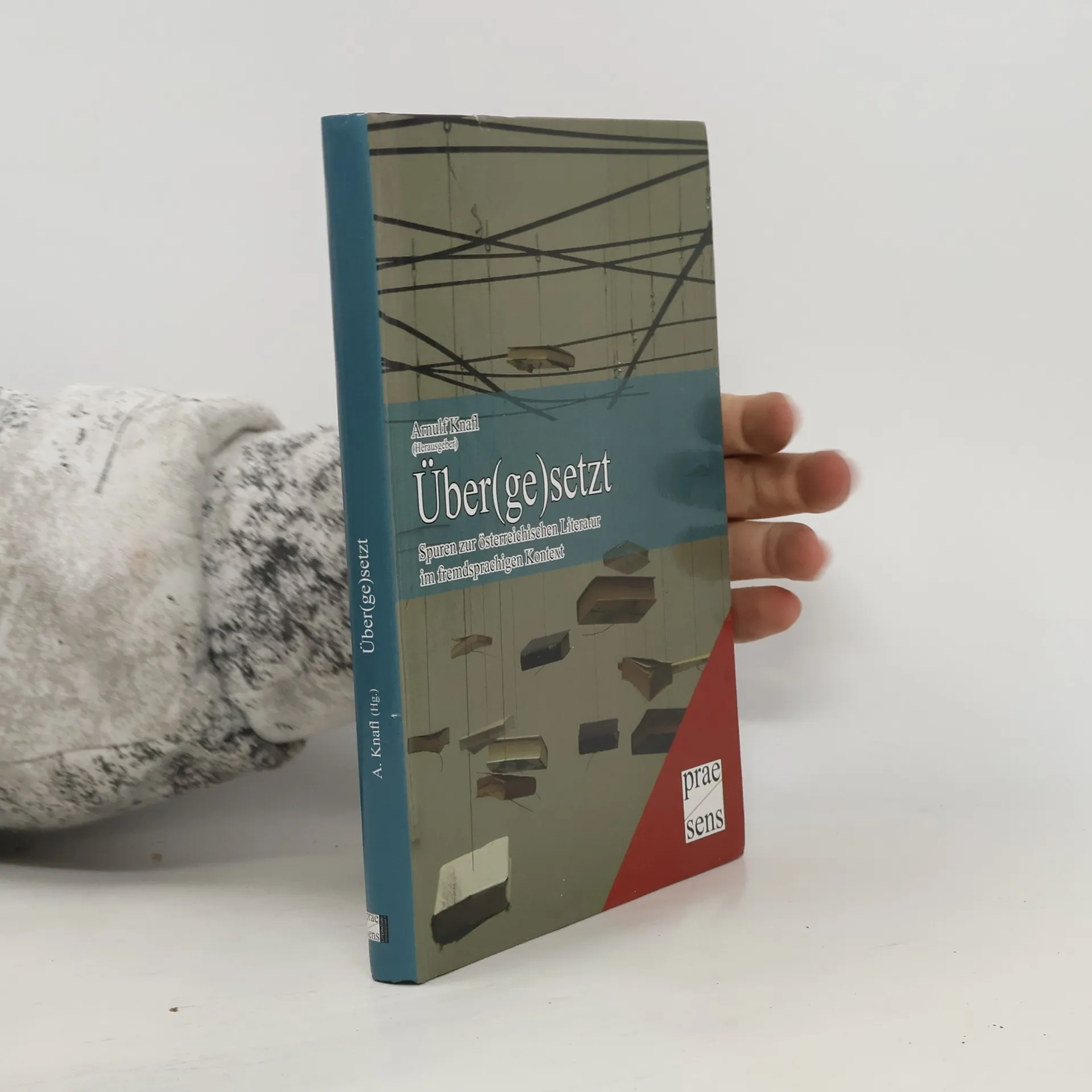
Über(ge)setzt, Arnulf Knafl
- Język

- Rok wydania
- 2010
- Oprawa
- (twarda)
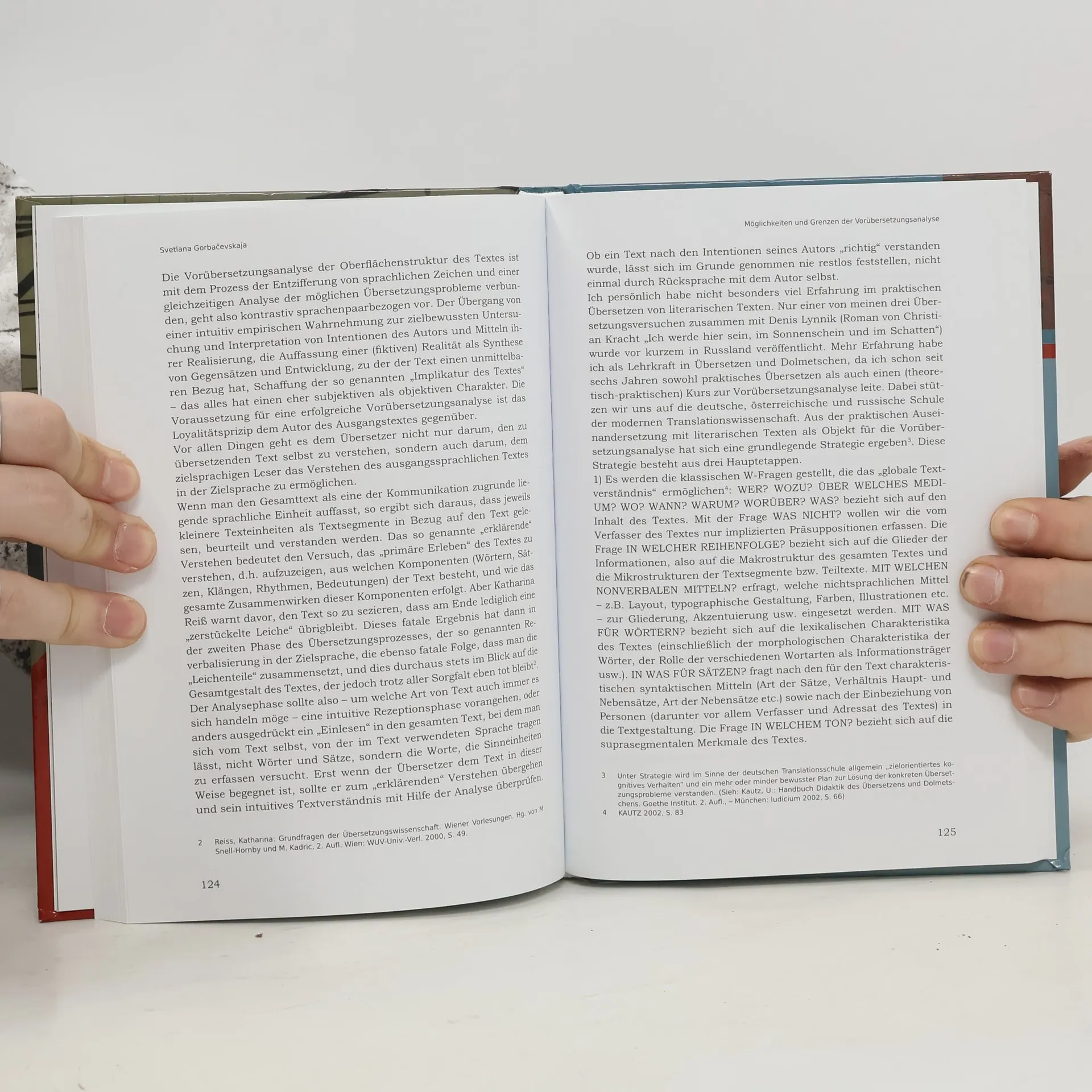
Metody płatności
Nikt jeszcze nie ocenił.
- Tytuł
- Über(ge)setzt
- Podtytuł
- Spuren zur österreichischen Literatur im fremdsprachigen Kontext
- Język
- niemiecki
- Autorzy
- Arnulf Knafl
- Wydawca
- Praesens
- Rok wydania
- 2010
- Oprawa
- twarda
- Liczba stron
- 195
- ISBN10
- 3706905981
- ISBN13
- 9783706905985
- Seria
- Opis
- 1. Karin Fleischanderl explores how to identify poor translations. 2. Vahidin Preljević discusses Hugo von Hofmannsthal's concept of cultural translation. 3. Gennady Vassiliev examines Rainer Maria Rilke's experiences with cultural translation in Russia. 4. Jadwiga Kita-Huber questions whether translation is a failed interpretation, focusing on Paul Celan's Psalms in Polish. 5. Marina Gorbatenko analyzes Nestroy's reception in Russia, highlighting issues in translation and genre incongruence. 6. Mladen Vlashki offers insights on the reception and translation of Arthur Schnitzler's "Reigen" into Bulgarian. 7. Paola di Mauro critiques a translation of Kafka's "Betrachtung" into Italian, discussing the distorted perspective. 8. Veronika Deáková investigates Stefan Zweig's relationship with translation. 9. Svetlana Gorbačevskaja attempts an analysis of pre-translation using Daniel Kehlmann's "Ich und Kaminski" and "Die Vermessung der Welt." 10. Gábor Kerekes addresses the translation of Joseph Roth's works into Hungarian, focusing on Hungarian names. 11. Dana Pfeiferová questions the foreignness of the familiar in Libuše Moníková's works in Czech. 12. Zdeněk Pecka evaluates Thomas Bernhard's role in the canon of Austrian literature in the Czech Republic. 13. Attila Bombitz discusses narrative forms in Christoph Ransmayr's work, from "Strahlenden Untergang" to "Fliegenden Berg."