

Więcej o książce
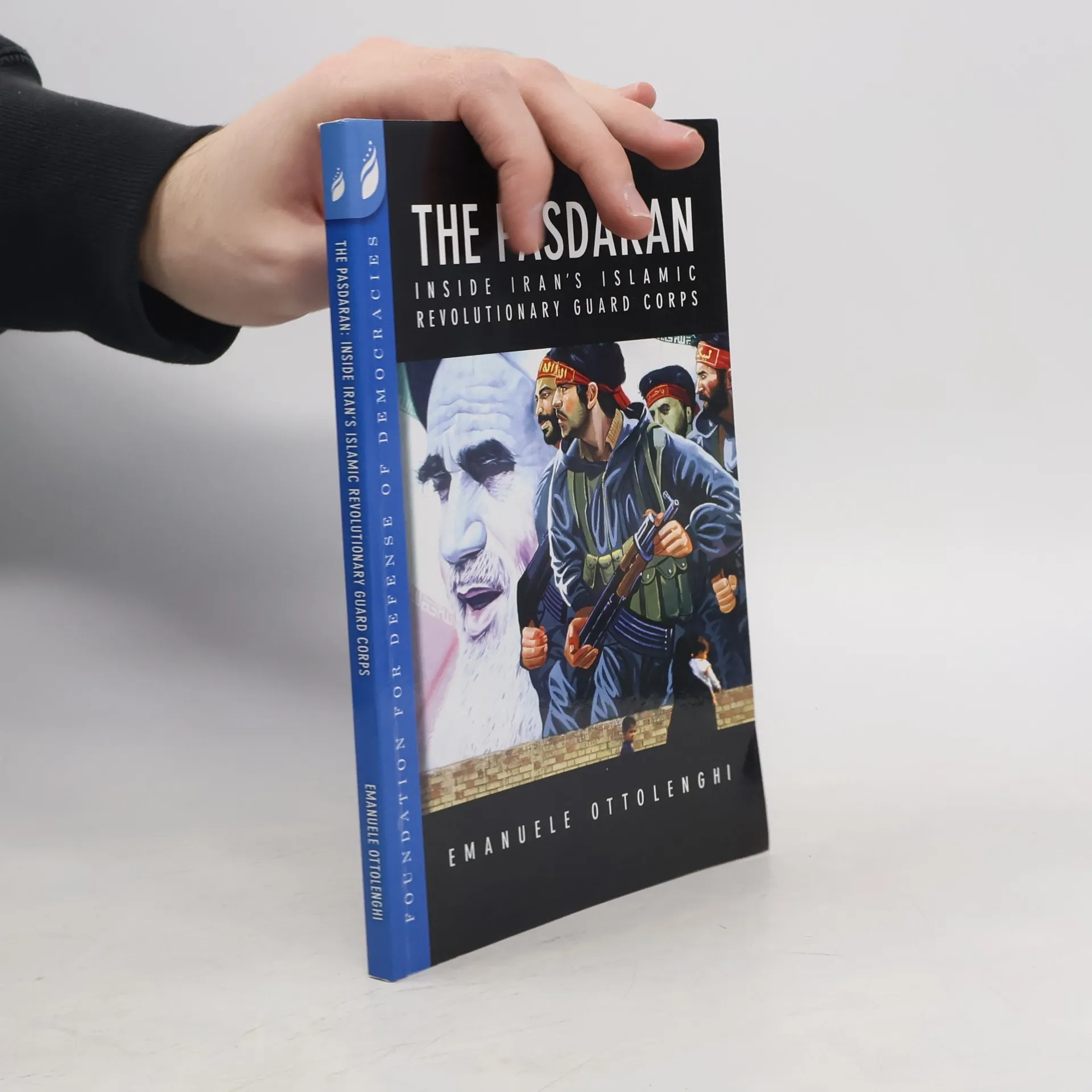
The Army of the Guardians of the Islamic Revolution (Sepah-e Pasdaran-e Enqelab-e Eslami) is more commonly known as Iran’s Islamic Revolutionary Guards Corps (IRGC), or the Pasadran. Sworn by an oath of loyalty to Iran’s Supreme Leader, the IRGC is the regime’s Praetorian Guard, the custodian of its nuclear program, and now a juggernaut in Iran’s economy. Since 1979, the Guards have played a key role in protecting the Revolution internally against domestic opposition while actively seeking to export it abroad. The IRGC has been at the forefront of repression every time ordinary Iranians have protested their lack of freedoms, including after the fraudulent presidential elections of June 2009. Iran’s sponsorship of terrorism abroad is also executed through the IRGC’s overseas operations’ branch, the Qods Forces. In The Inside Iran’s Islamic Revolutionary Guard Corps, Emanuele Ottolenghi offers a detailed overview of how the IRGC came into being, how the Guards rose to a position of prominence in Iran’s current power structure, how they have penetrated Iran’s economy, how they are working to help Iran attain nuclear weapons, and why they will likely play a key role in Iran for decades to come.
Zakup książki
The Pasdaran, Emanuele Ottolenghi
- Język

- Rok wydania
- 2011
- Oprawa
- (miękka)
Metody płatności
Brakuje nam tutaj Twojej recenzji.
- Tytuł
- The Pasdaran
- Podtytuł
- Inside Iran's Islamic Revolutionary Guard Corps
- Język
- angielski
- Autorzy
- Emanuele Ottolenghi
- Rok wydania
- 2011
- Oprawa
- miękka
- Liczba stron
- 132
- ISBN10
- 0981971296
- ISBN13
- 9780981971292
- Seria
- Kategorie
- Tagi
- Tematy historyczne, Iran
- Ocena
- 4,1 z 5
- Opis
- The Army of the Guardians of the Islamic Revolution (Sepah-e Pasdaran-e Enqelab-e Eslami) is more commonly known as Iran’s Islamic Revolutionary Guards Corps (IRGC), or the Pasadran. Sworn by an oath of loyalty to Iran’s Supreme Leader, the IRGC is the regime’s Praetorian Guard, the custodian of its nuclear program, and now a juggernaut in Iran’s economy. Since 1979, the Guards have played a key role in protecting the Revolution internally against domestic opposition while actively seeking to export it abroad. The IRGC has been at the forefront of repression every time ordinary Iranians have protested their lack of freedoms, including after the fraudulent presidential elections of June 2009. Iran’s sponsorship of terrorism abroad is also executed through the IRGC’s overseas operations’ branch, the Qods Forces. In The Inside Iran’s Islamic Revolutionary Guard Corps, Emanuele Ottolenghi offers a detailed overview of how the IRGC came into being, how the Guards rose to a position of prominence in Iran’s current power structure, how they have penetrated Iran’s economy, how they are working to help Iran attain nuclear weapons, and why they will likely play a key role in Iran for decades to come.