

Więcej o książce
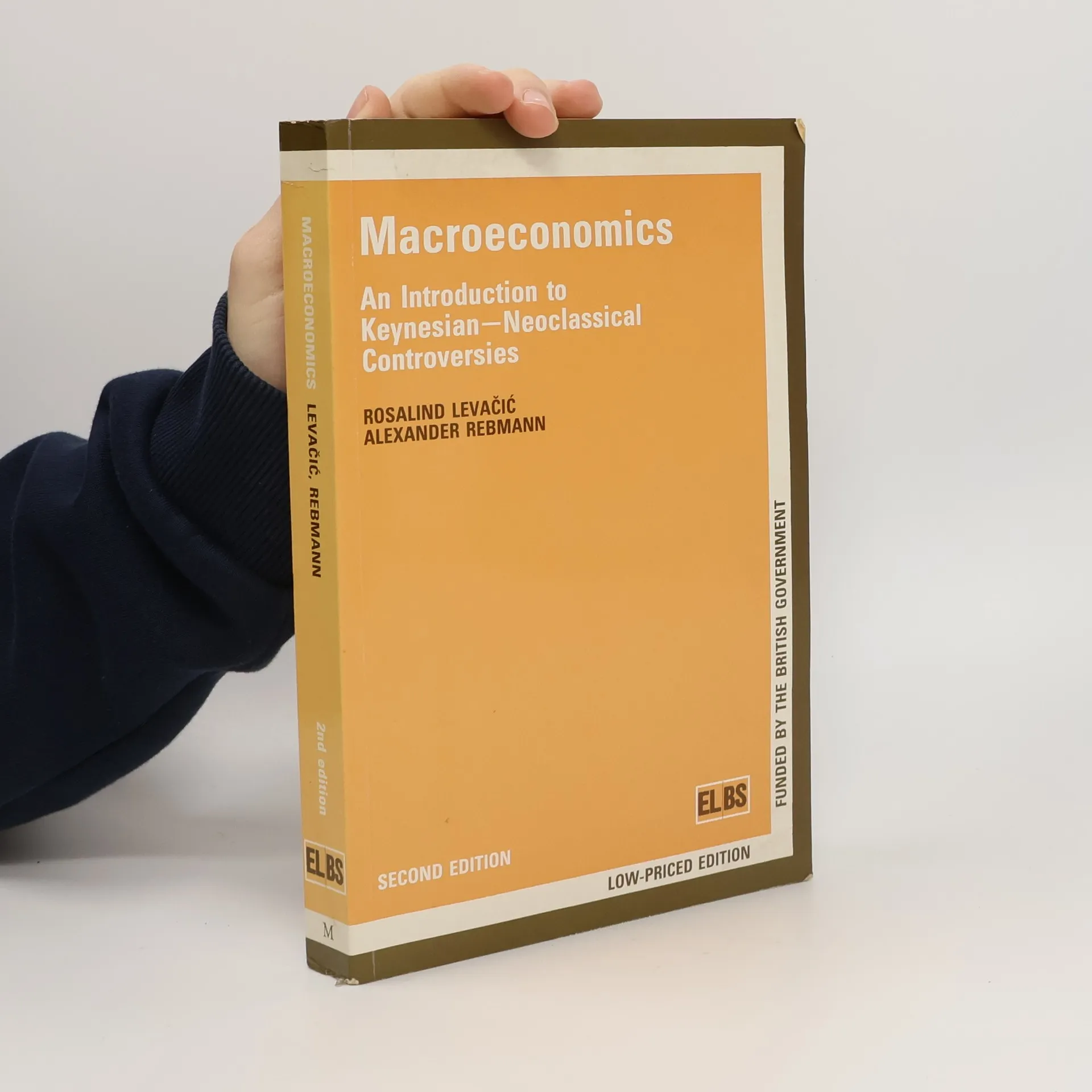
This text uses the Keynesian-neoclassical conflict as an expositional device from beginning to end. This enables the authors to emphasize that the differences in policy conclusions stem from different assumptions about how the economy works, and that the crucial distinction between Keynesian and neoclassical macro theory centres on different views of how the supply of output responds to changes in demand. For students and teachers bewildered by macroeconics texts that do not treat their own economy, the authors provide an up-to-date review of balance-of-payments theory, quantity-constrained models and the new classicists' work on rational expectations within the framework of policy analysis for a small open economy. The book is deliberately graded in difficulty. Sections 1 and 2, together with Chapter 20 on inflation, provide the basis of an intermediate-level degree course on macroeconomics. Section 3 considers the micro foundations of investment and consumption, and deals with trade-cycle and growth theories. Sections 4 and 5 are more advanced, discussing current theoretical controversies and related policy issues.
Zakup książki
English Language Book Society Student Editions: Macroeconomics, Rosalind Levačić, Alexander Rebmann
- Język

- Rok wydania
- 1982
- Oprawa
- (miękka)
Metody płatności
Nikt jeszcze nie ocenił.
- Tytuł
- English Language Book Society Student Editions: Macroeconomics
- Podtytuł
- An Introduction to Keynesian-Neoclassical Controversies - Second Edition - Low-Priced Edition
- Język
- angielski
- Autorzy
- Rosalind Levačić, Alexander Rebmann
- Wydawca
- Palgrave Macmillan
- Rok wydania
- 1982
- Oprawa
- miękka
- Liczba stron
- 480
- ISBN10
- 0333366964
- ISBN13
- 9780333366967
- Seria
- Tagi
- Biznes, Makroekonomia
- Opis
- This text uses the Keynesian-neoclassical conflict as an expositional device from beginning to end. This enables the authors to emphasize that the differences in policy conclusions stem from different assumptions about how the economy works, and that the crucial distinction between Keynesian and neoclassical macro theory centres on different views of how the supply of output responds to changes in demand. For students and teachers bewildered by macroeconics texts that do not treat their own economy, the authors provide an up-to-date review of balance-of-payments theory, quantity-constrained models and the new classicists' work on rational expectations within the framework of policy analysis for a small open economy. The book is deliberately graded in difficulty. Sections 1 and 2, together with Chapter 20 on inflation, provide the basis of an intermediate-level degree course on macroeconomics. Section 3 considers the micro foundations of investment and consumption, and deals with trade-cycle and growth theories. Sections 4 and 5 are more advanced, discussing current theoretical controversies and related policy issues.