



Parametry
- 256 stron
- 9 godzin czytania
Więcej o książce
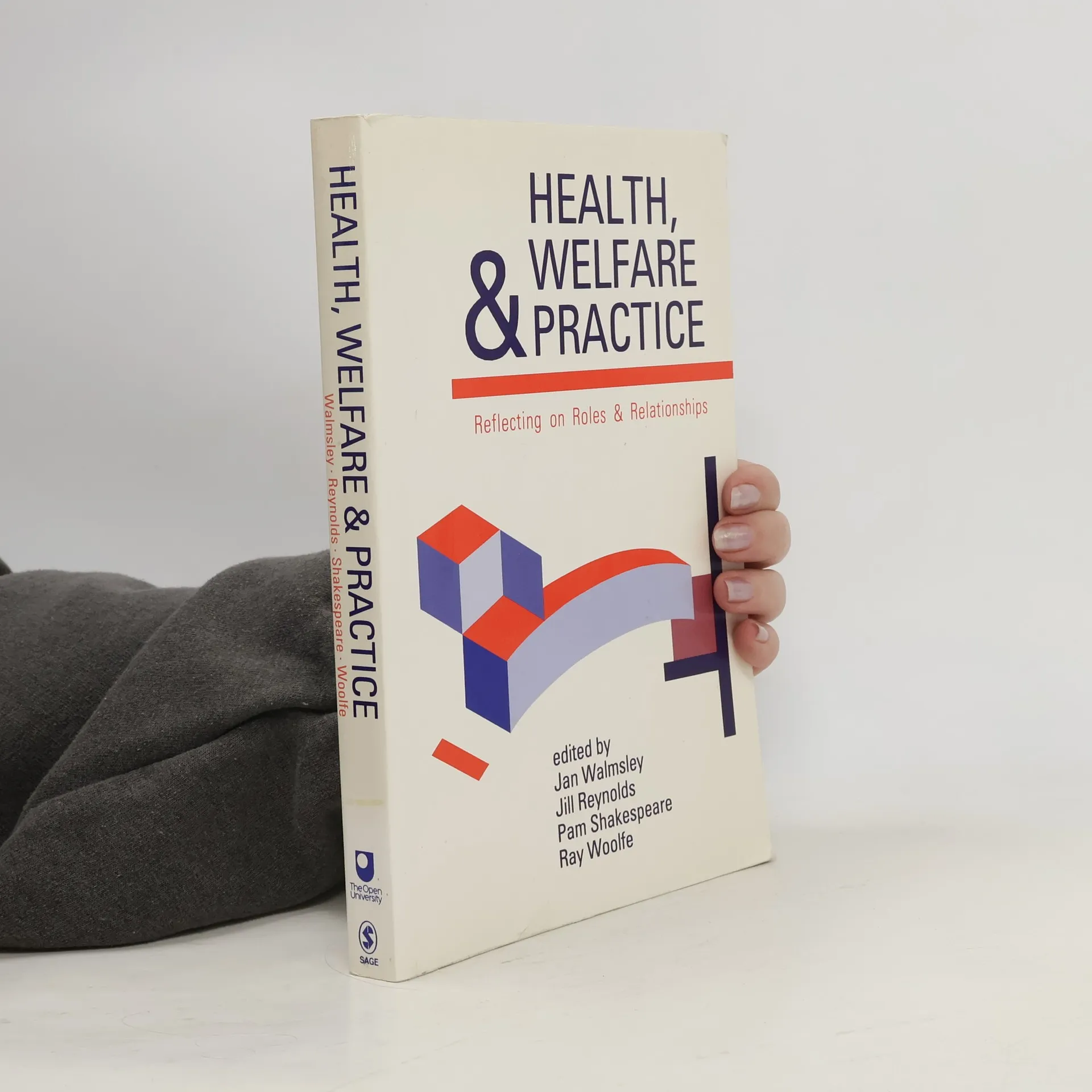
Bringing together key issues in the provision and use of caring services, this volume is an invaluable training resource for health and social work practitioners. Roles and relationships are central themes: their complexity is stressed, as is their relevance to a better understanding of practice. The book's first three sections explore: the distinctions between health and welfare occupations, and informal helping roles; different approaches for practitioners to develop sensitivity to diverse experiences and to challenge unfairly discriminatory responses, attitudes and stereotyped assumptions; and the potential for user empowerment, given the imbalance in power between workers and users. These areas provide practitioners wit
Zakup książki
Health, Welfare and Practice, Jan Walmsley, Jill Reynolds, Pam Shakespeare, Ray Woolfe
- Język

- Rok wydania
- 1992
- Oprawa
- (miękka)
Metody płatności
Nikt jeszcze nie ocenił.
- Tytuł
- Health, Welfare and Practice
- Podtytuł
- Reflecting on Roles and Relationships
- Język
- angielski
- Autorzy
- Jan Walmsley, Jill Reynolds, Pam Shakespeare, Ray Woolfe
- Wydawca
- SAGE Publications Ltd
- Rok wydania
- 1992
- Oprawa
- miękka
- Liczba stron
- 256
- ISBN10
- 0803987951
- ISBN13
- 9780803987951
- Seria
- Kategorie
- Tagi
- Zdrowie & Medycyna, Tematyka medyczna, Literatura fachowa, Społeczeństwo, Opieka zdrowotna, Praca Socjalna, Obuwie, Buty
- Opis
- Bringing together key issues in the provision and use of caring services, this volume is an invaluable training resource for health and social work practitioners. Roles and relationships are central themes: their complexity is stressed, as is their relevance to a better understanding of practice. The book's first three sections explore: the distinctions between health and welfare occupations, and informal helping roles; different approaches for practitioners to develop sensitivity to diverse experiences and to challenge unfairly discriminatory responses, attitudes and stereotyped assumptions; and the potential for user empowerment, given the imbalance in power between workers and users. These areas provide practitioners wit