

Parametry
- 496 stron
- 18 godzin czytania
Więcej o książce
Lincoln's death was a monumental event that elicited "indescribable sorrow" across the nation, as noted by historian Merrill Peterson. Following his assassination, Lincoln's body was transported by a special funeral train to Springfield, Illinois, where it was viewed by nearly a million people, marking the transformation of the president into a mythic figure. In exploring Lincoln's legacy, Peterson examines how his image has evolved in American memory from the time of his death to the present. This account reveals the complexities of American politics and society while delving into Lincoln's character. People from various regions idealized him, each reshaping his memory to claim his legacy, while his family and memorabilia collectors contended over his visible impact. Peterson also addresses the varied responses of African Americans to Lincoln's memory, highlighting their initial celebration of emancipation contrasted with the realities of poverty and segregation. He discusses the multitude of reminiscences and biographies, noting that serious historical analysis came late, as myth-makers shaped Lincoln's image for their agendas. Peterson identifies five key archetypes of Lincoln: savior of the Union, great emancipator, man of the people, first American, and self-made man, revealing much about both Lincoln and American identity. His work stands as a comprehensive assessment of Lincoln's place in collective memory.
Zakup książki
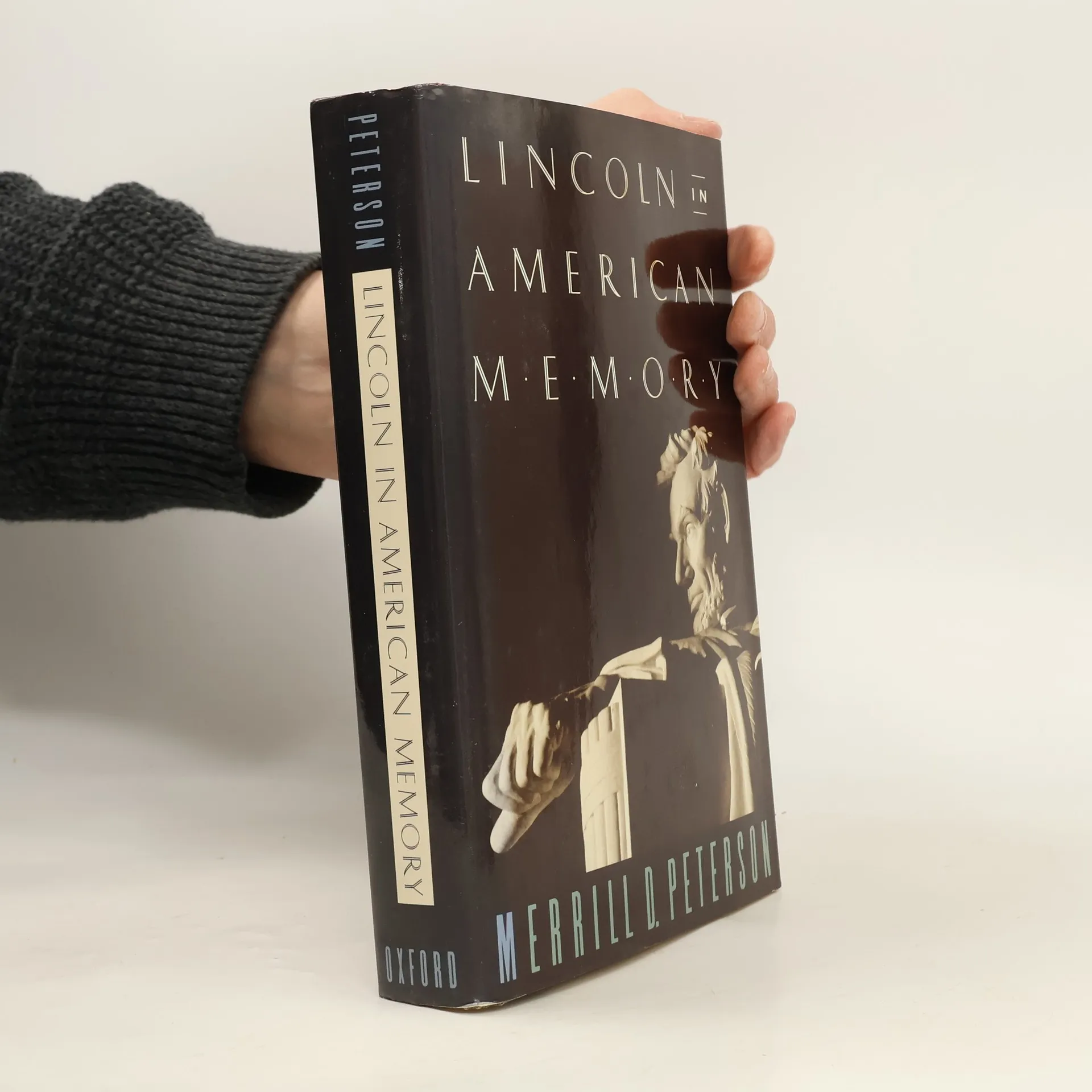
Lincoln in American Memory, Merrill D. Peterson
- Język

- Rok wydania
- 1994
- Oprawa
- (twarda)
Metody płatności
Brakuje nam tutaj Twojej recenzji.
- Tytuł
- Lincoln in American Memory
- Język
- angielski
- Autorzy
- Merrill D. Peterson
- Wydawca
- Oxford University Press
- Rok wydania
- 1994
- Oprawa
- twarda
- Liczba stron
- 496
- ISBN10
- 0195065700
- ISBN13
- 9780195065701
- Seria
- Kategorie
- Tagi
- Tematy historyczne, USA, Wojny, XIX wiek, Kultura & Społeczeństwo, Teorie polityczne, Historia USA, Wojna domowa, Historia społeczna, Prezydenci
- Ocena
- 4 z 5
- Opis
- Lincoln's death was a monumental event that elicited "indescribable sorrow" across the nation, as noted by historian Merrill Peterson. Following his assassination, Lincoln's body was transported by a special funeral train to Springfield, Illinois, where it was viewed by nearly a million people, marking the transformation of the president into a mythic figure. In exploring Lincoln's legacy, Peterson examines how his image has evolved in American memory from the time of his death to the present. This account reveals the complexities of American politics and society while delving into Lincoln's character. People from various regions idealized him, each reshaping his memory to claim his legacy, while his family and memorabilia collectors contended over his visible impact. Peterson also addresses the varied responses of African Americans to Lincoln's memory, highlighting their initial celebration of emancipation contrasted with the realities of poverty and segregation. He discusses the multitude of reminiscences and biographies, noting that serious historical analysis came late, as myth-makers shaped Lincoln's image for their agendas. Peterson identifies five key archetypes of Lincoln: savior of the Union, great emancipator, man of the people, first American, and self-made man, revealing much about both Lincoln and American identity. His work stands as a comprehensive assessment of Lincoln's place in collective memory.