

Więcej o książce
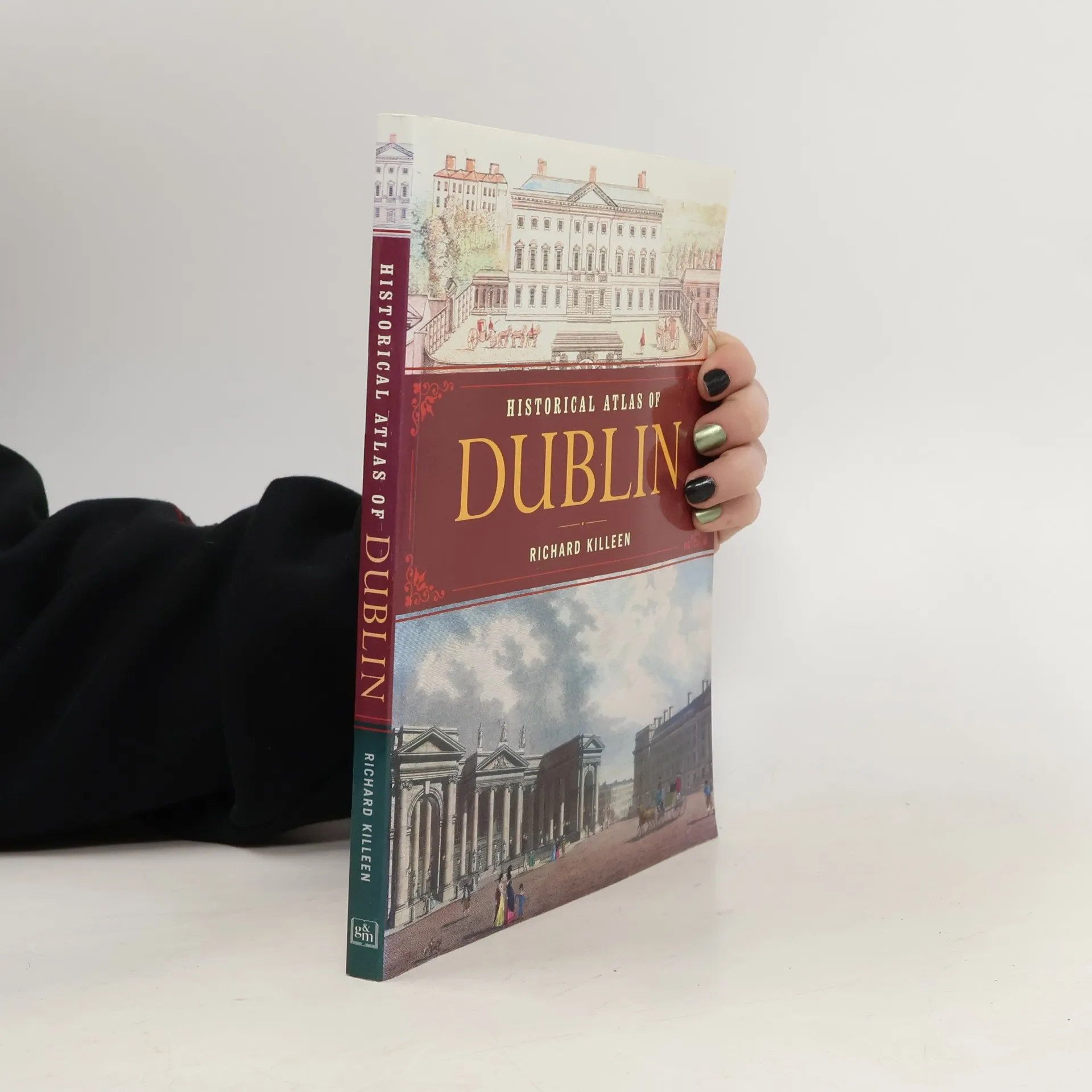
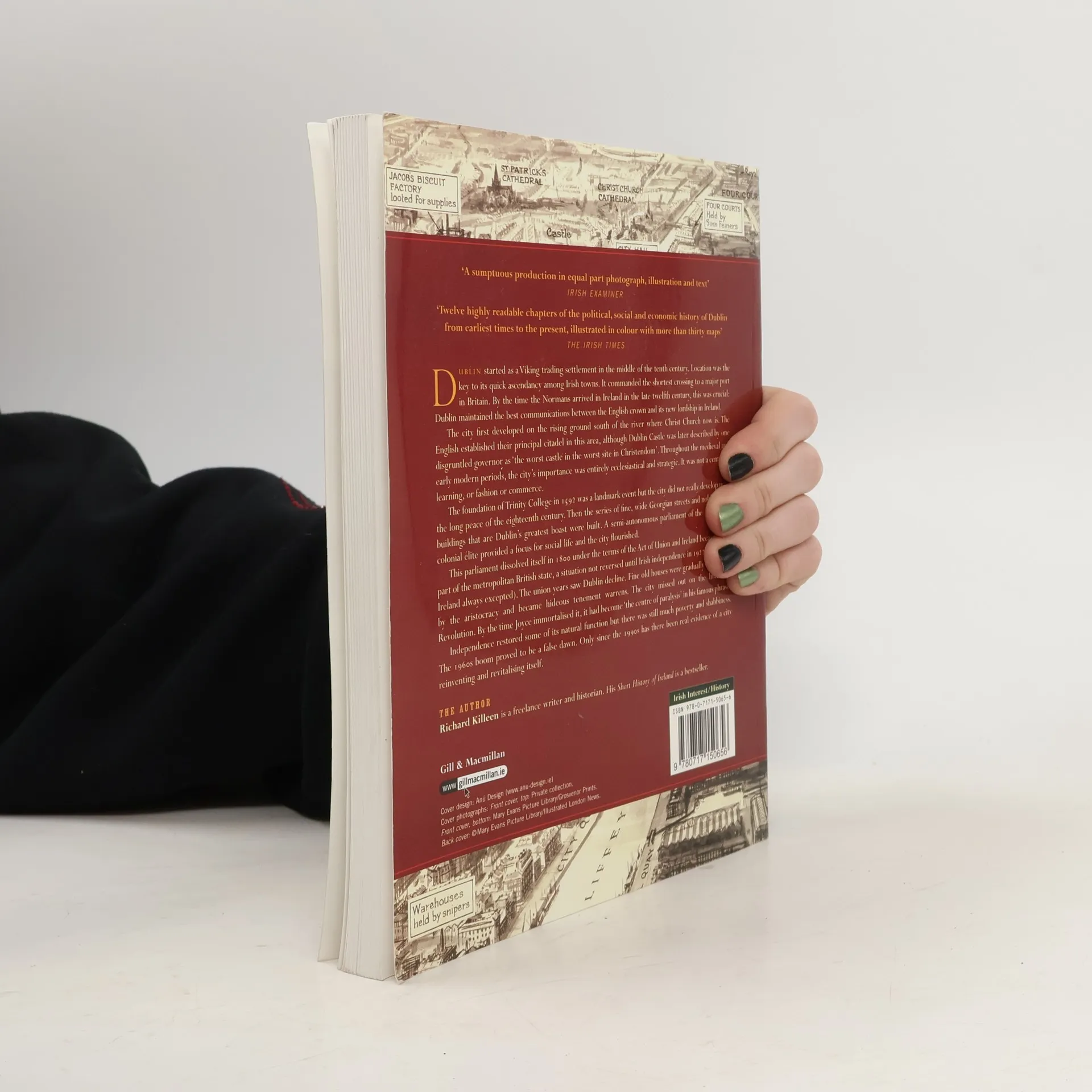
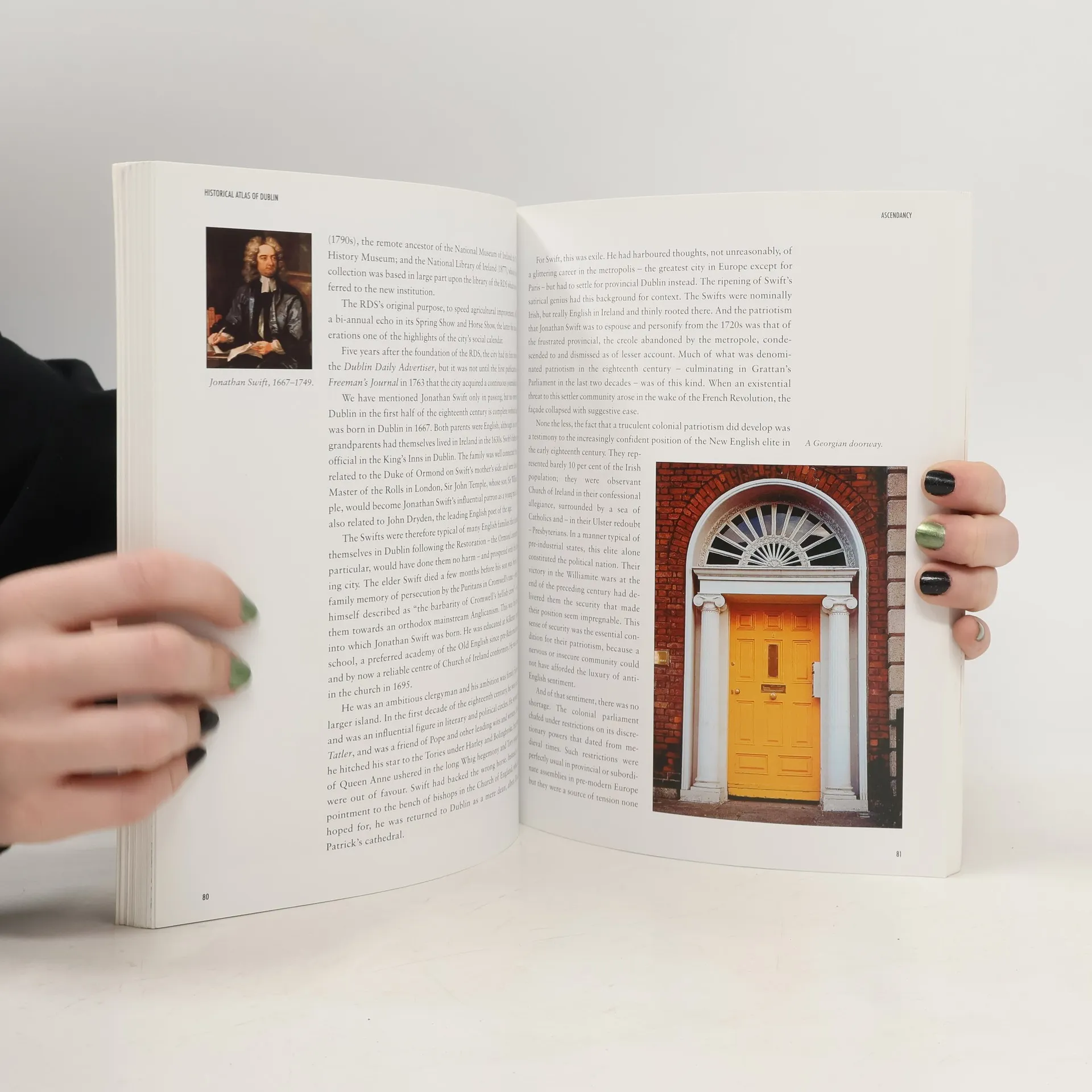
Dublin began as a Viking trading settlement in the 10th century, strategically positioned for quick access to a major British port. By the arrival of the Normans in the late 12th century, it was already vital for communication between the English crown and its Irish lordship. During the medieval and early modern periods, the city's significance was primarily ecclesiastical and strategic, lacking in learning, fashion, or commerce. The establishment of Trinity College in 1592 marked a turning point, but real development did not occur until the 18th century, leading to the creation of elegant Georgian streets and impressive public buildings. However, the union years brought decline, with aristocratic homes falling into disrepair and becoming tenements. By the time Joyce depicted it, Dublin was seen as "the centre of paralysis." Independence brought some restoration, yet poverty and neglect persisted. It wasn't until the 1990s that Dublin began to reinvent and revitalize itself. The book features twelve engaging chapters detailing the political, social, and economic history of Dublin, complemented by over thirty colorful maps and illustrations, providing a comprehensive view of the city's evolution from its origins to the present.
Zakup książki
Historical Atlas of Dublin, Richard Killeen
- Język

- Rok wydania
- 2011
- Oprawa
- (miękka)
Metody płatności
Brakuje nam tutaj Twojej recenzji.
- Tytuł
- Historical Atlas of Dublin
- Język
- angielski
- Autorzy
- Richard Killeen
- Wydawca
- Gill & Macmillan
- Rok wydania
- 2011
- Oprawa
- miękka
- Liczba stron
- 176
- ISBN10
- 0717150658
- ISBN13
- 9780717150656
- Seria
- Tagi
- Tematy historyczne, Europa, Historia Europy, Irlandia, Cywilizacja, Geografia historyczna, Dublin
- Ocena
- 4,2 z 5
- Opis
- Dublin began as a Viking trading settlement in the 10th century, strategically positioned for quick access to a major British port. By the arrival of the Normans in the late 12th century, it was already vital for communication between the English crown and its Irish lordship. During the medieval and early modern periods, the city's significance was primarily ecclesiastical and strategic, lacking in learning, fashion, or commerce. The establishment of Trinity College in 1592 marked a turning point, but real development did not occur until the 18th century, leading to the creation of elegant Georgian streets and impressive public buildings. However, the union years brought decline, with aristocratic homes falling into disrepair and becoming tenements. By the time Joyce depicted it, Dublin was seen as "the centre of paralysis." Independence brought some restoration, yet poverty and neglect persisted. It wasn't until the 1990s that Dublin began to reinvent and revitalize itself. The book features twelve engaging chapters detailing the political, social, and economic history of Dublin, complemented by over thirty colorful maps and illustrations, providing a comprehensive view of the city's evolution from its origins to the present.