

Parametry
- 532 strony
- 19 godzin czytania
Więcej o książce
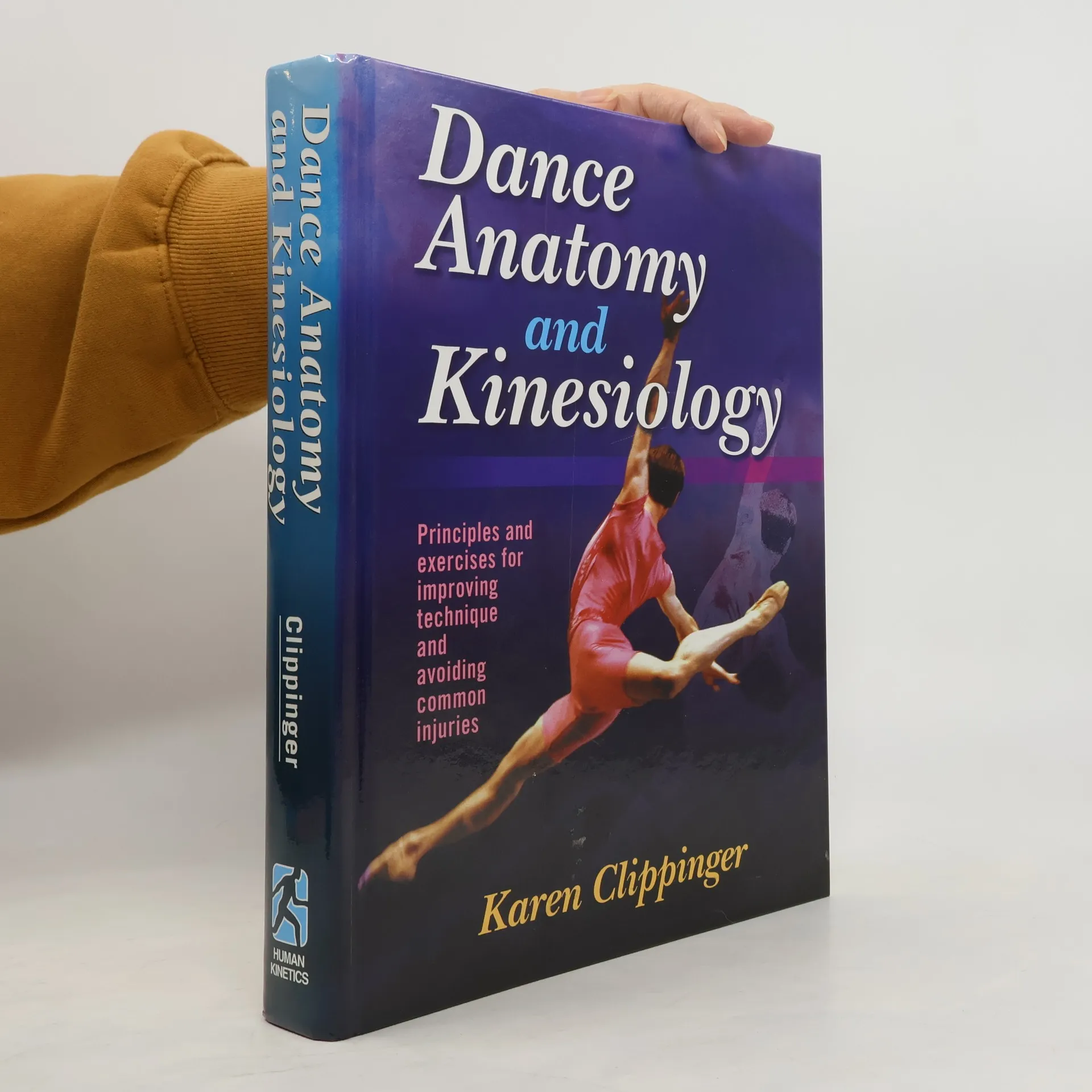
All dancers strive for optimal performance, and this text is designed to assist them in achieving that goal. It teaches anatomical and biomechanical principles relevant to dance, focusing on optimal movement and understanding body joint functions. By applying these principles, dancers can reduce injury risk and enhance their longevity in performance. The text includes practical applications such as Concept Demonstrations for hands-on exercises, Tests and Measurements tailored to specific body regions, and Dance Cues for analyzing movement effectiveness. Study Questions and Applications help reinforce chapter concepts, while Attachments provide key muscle information. The initial chapters introduce the skeletal and muscular systems pertinent to dance, covering essential anatomical terminology. Subsequent chapters focus on specific body areas: the spine, pelvic girdle and hip joint, knee and patellofemoral joints, ankle and foot, and upper extremity. Each section discusses bones, muscles, joints, alignment deviations, mechanics, and dance-related injuries, along with strength and flexibility exercises to enhance technique and prevent injuries. With over 250 illustrations and nearly 350 photographs, the material caters to visual learners, reinforcing the connection between technique and artistry. The final chapter offers a framework for analyzing full-body dance movements for optimal execution. This text provides dancers wi
Zakup książki
Dance Anatomy and Kinesiology, Karen Sue Clippinger
- Język

- Rok wydania
- 2006
- Oprawa
- (twarda)
Metody płatności
Brakuje nam tutaj Twojej recenzji.
- Tytuł
- Dance Anatomy and Kinesiology
- Język
- angielski
- Autorzy
- Karen Sue Clippinger
- Wydawca
- Human Kinetics
- Rok wydania
- 2006
- Oprawa
- twarda
- Liczba stron
- 532
- ISBN10
- 0880115319
- ISBN13
- 9780880115315
- Seria
- Ocena
- 4,6 z 5
- Opis
- All dancers strive for optimal performance, and this text is designed to assist them in achieving that goal. It teaches anatomical and biomechanical principles relevant to dance, focusing on optimal movement and understanding body joint functions. By applying these principles, dancers can reduce injury risk and enhance their longevity in performance. The text includes practical applications such as Concept Demonstrations for hands-on exercises, Tests and Measurements tailored to specific body regions, and Dance Cues for analyzing movement effectiveness. Study Questions and Applications help reinforce chapter concepts, while Attachments provide key muscle information. The initial chapters introduce the skeletal and muscular systems pertinent to dance, covering essential anatomical terminology. Subsequent chapters focus on specific body areas: the spine, pelvic girdle and hip joint, knee and patellofemoral joints, ankle and foot, and upper extremity. Each section discusses bones, muscles, joints, alignment deviations, mechanics, and dance-related injuries, along with strength and flexibility exercises to enhance technique and prevent injuries. With over 250 illustrations and nearly 350 photographs, the material caters to visual learners, reinforcing the connection between technique and artistry. The final chapter offers a framework for analyzing full-body dance movements for optimal execution. This text provides dancers wi