



Parametry
- 278 stron
- 10 godzin czytania
Więcej o książce
Experts and politicians claim public debt hampers growth and fuels unemployment, urging governments to reduce it to restore confidence and prosperity. However, Maurizio Lazzarato presents a contrasting view: under capitalism, debt transcends mere economic issues, representing a political relationship of subjugation. He argues that debt has become infinite and unpayable, serving to discipline populations, necessitate structural reforms, and justify authoritarian measures, even undermining democracy in favor of "technocratic governments" that cater to capital interests. The 2008 crisis intensified the emergence of "new State capitalism," facilitating a significant appropriation of societal wealth through taxation, primarily benefiting finance capital. This scenario mirrors pre-World War II conditions, where finance governs accumulation, increasingly infiltrating sectors like higher education and becoming synonymous with life itself. Lazzarato asserts that in light of current and impending crises, we must transcend capitalist valorization and reclaim our existence, knowledge, and technology. In this work, he engages with a variety of thinkers, including Félix Guattari and Michel Foucault, and uses examples from the U.S. and Europe to advocate for a collective rejection of the prevailing dire status quo.
Zakup książki
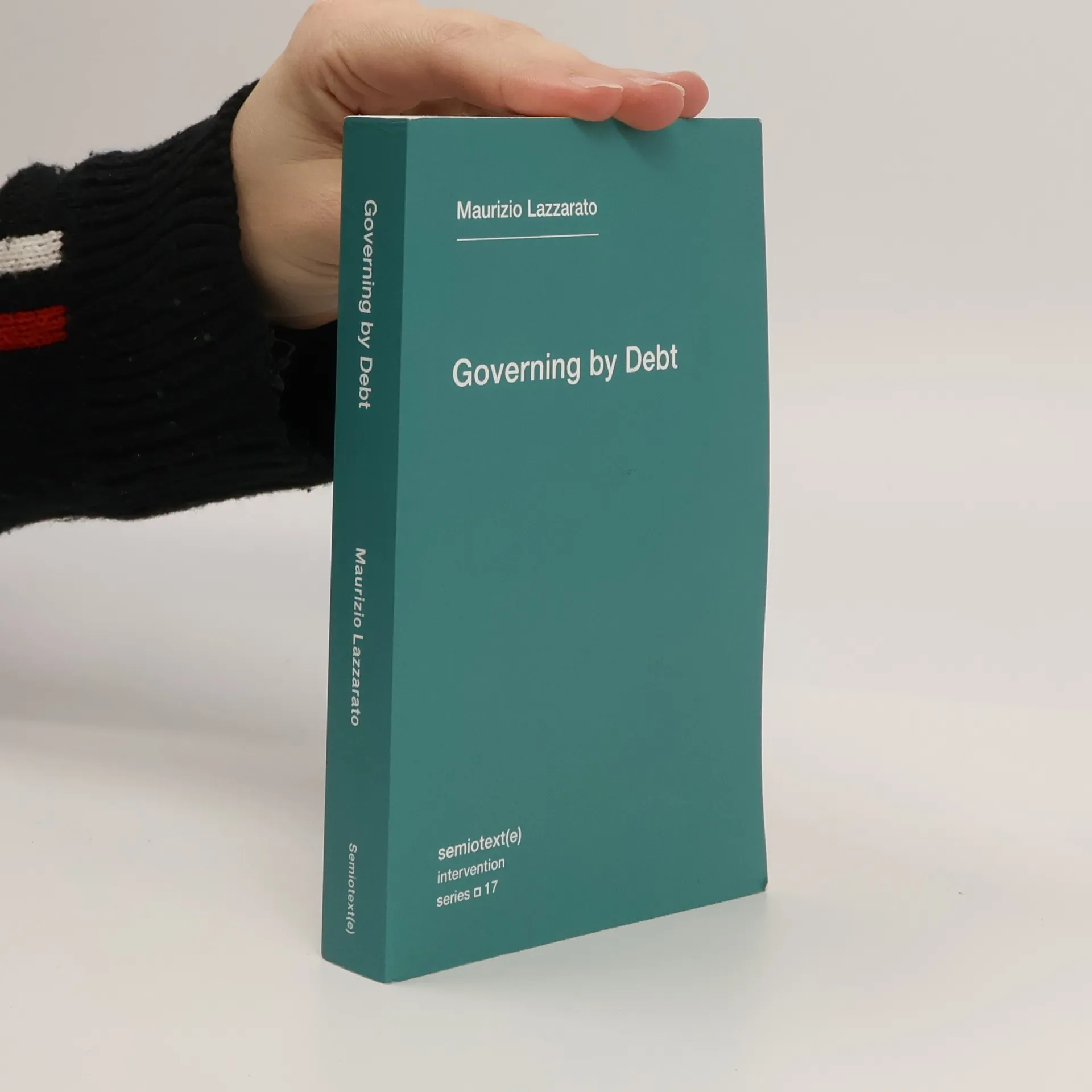
Semiotext(e) / Intervention Series - 17: Governing by Debt, Maurizio Lazzarato, Joshua David Jordan
- Język

- Rok wydania
- 2015
- Oprawa
- (miękka)
Metody płatności
Brakuje nam tutaj Twojej recenzji.
- Tytuł
- Semiotext(e) / Intervention Series - 17: Governing by Debt
- Język
- angielski
- Wydawca
- MIT Press
- Rok wydania
- 2015
- Oprawa
- miękka
- Liczba stron
- 278
- ISBN10
- 1584351632
- ISBN13
- 9781584351634
- Seria
- Kategorie
- Tagi
- Biznes, Nauki przyrodnicze, Tematyka psychologiczna, Tematyka filozoficzna, Sztuka, Polityka, USA, Zdrowie, Relacje, Edukacja & Szkolnictwo, Szkoła, Społeczeństwo, Feminizm, Zdrowie psychiczne, Historia Europy, Literatura angielska, Przywództwo, Finanse, Teorie polityczne, Kultura, Teorie naukowe, Psychoterapia, Pieniądze, Zatrudnienie, Psychoanaliza, Ewolucja, Marksizm, Prawo cywilne, Socjalizm, Kapitalizm, Estetyka, Strategia, Ekonomia polityczna, Filozofia polityczna, Ucisk, Neoliberalizm, Ekonomia behawioralna
- Ocena
- 3,7 z 5
- Opis
- Experts and politicians claim public debt hampers growth and fuels unemployment, urging governments to reduce it to restore confidence and prosperity. However, Maurizio Lazzarato presents a contrasting view: under capitalism, debt transcends mere economic issues, representing a political relationship of subjugation. He argues that debt has become infinite and unpayable, serving to discipline populations, necessitate structural reforms, and justify authoritarian measures, even undermining democracy in favor of "technocratic governments" that cater to capital interests. The 2008 crisis intensified the emergence of "new State capitalism," facilitating a significant appropriation of societal wealth through taxation, primarily benefiting finance capital. This scenario mirrors pre-World War II conditions, where finance governs accumulation, increasingly infiltrating sectors like higher education and becoming synonymous with life itself. Lazzarato asserts that in light of current and impending crises, we must transcend capitalist valorization and reclaim our existence, knowledge, and technology. In this work, he engages with a variety of thinkers, including Félix Guattari and Michel Foucault, and uses examples from the U.S. and Europe to advocate for a collective rejection of the prevailing dire status quo.