



Więcej o książce
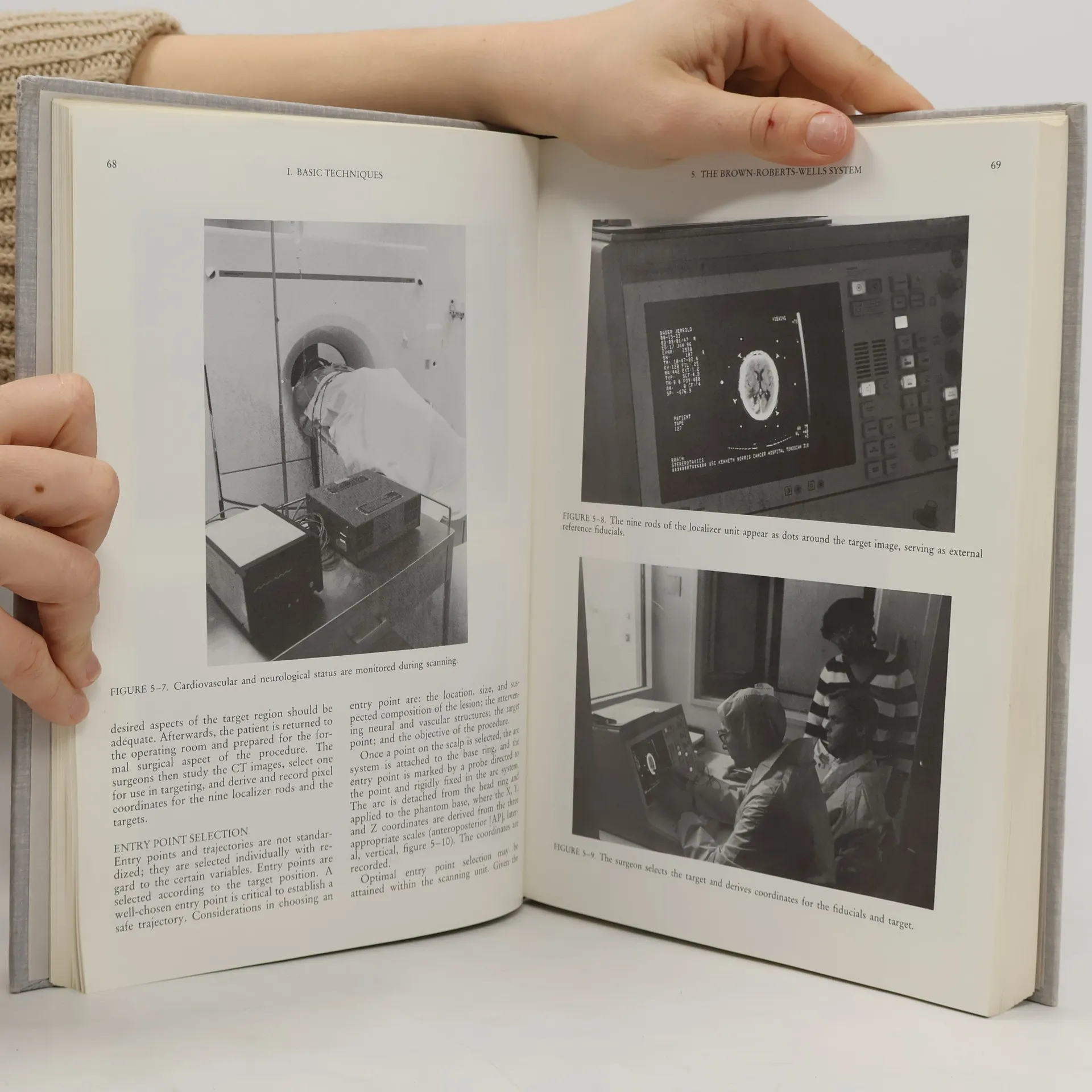
When approached by the publisher, I explored the possibility of writing a personal monograph on contemporary stereotactic surgery. A review of the available literature revealed some key issues. First, there was no current, accessible multiauthored text surveying the field. Existing books often emphasized theory, physiology, and anatomy rather than practical applications. Second, stereotactic surgeons have historically been marginalized within the broader neuro surgery community, which likely stemmed from a lack of clear explanations regarding the practical uses and advantages of stereotactic techniques. Third, the field has expanded rapidly in recent years, becoming a significant component of neurosurgery. To address these gaps, we aimed to create a more cohesive text through the editorial process, with each chapter subdivided into relevant headings for easier reference. While many chapters summarize the authors' work, they were also encouraged to review pertinent literature in their disciplines. Readers may notice an Americanization of the content, reflecting my background, as opposed to an anglicization. Future volumes will likely include contributions from other important specialists in the field, further enriching the discourse on stereotactic surgery.
Zakup książki
Modern Stereotactic Neurosurgery, L. Dade Lunsford
- Język

- Rok wydania
- 1988
- Oprawa
- (twarda)
Metody płatności
Nikt jeszcze nie ocenił.
- Tytuł
- Modern Stereotactic Neurosurgery
- Język
- angielski
- Autorzy
- L. Dade Lunsford
- Wydawca
- Nijhoff
- Rok wydania
- 1988
- Oprawa
- twarda
- Liczba stron
- 544
- ISBN10
- 089838950X
- ISBN13
- 9780898389500
- Seria
- Kategorie
- Tagi
- Tematyka medyczna, Zachodnia Europa, Ludzkie ciało, Chirurgia, Układ nerwowy, Ortopedia, Neurochirurgia
- Opis
- When approached by the publisher, I explored the possibility of writing a personal monograph on contemporary stereotactic surgery. A review of the available literature revealed some key issues. First, there was no current, accessible multiauthored text surveying the field. Existing books often emphasized theory, physiology, and anatomy rather than practical applications. Second, stereotactic surgeons have historically been marginalized within the broader neuro surgery community, which likely stemmed from a lack of clear explanations regarding the practical uses and advantages of stereotactic techniques. Third, the field has expanded rapidly in recent years, becoming a significant component of neurosurgery. To address these gaps, we aimed to create a more cohesive text through the editorial process, with each chapter subdivided into relevant headings for easier reference. While many chapters summarize the authors' work, they were also encouraged to review pertinent literature in their disciplines. Readers may notice an Americanization of the content, reflecting my background, as opposed to an anglicization. Future volumes will likely include contributions from other important specialists in the field, further enriching the discourse on stereotactic surgery.