

Więcej o książce
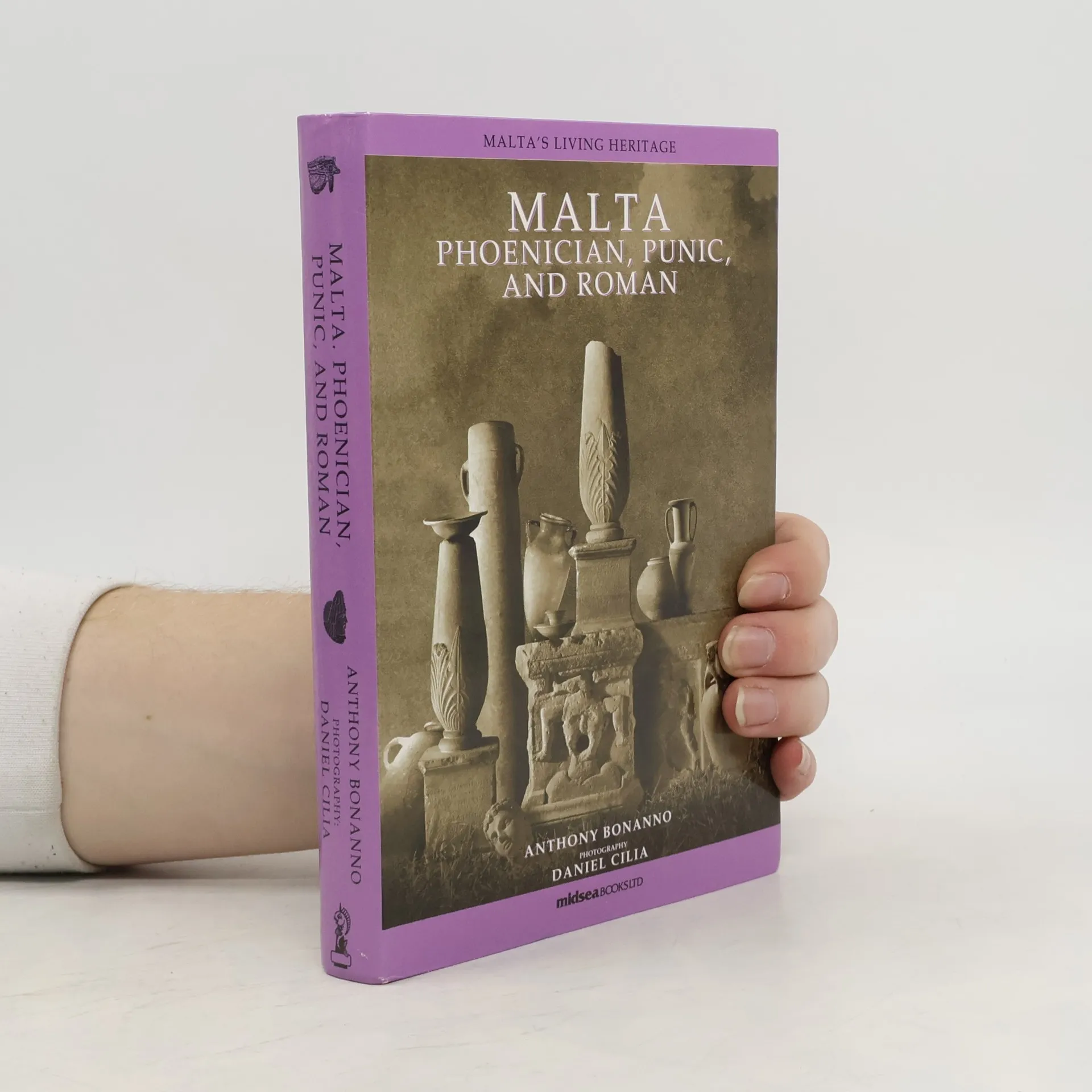
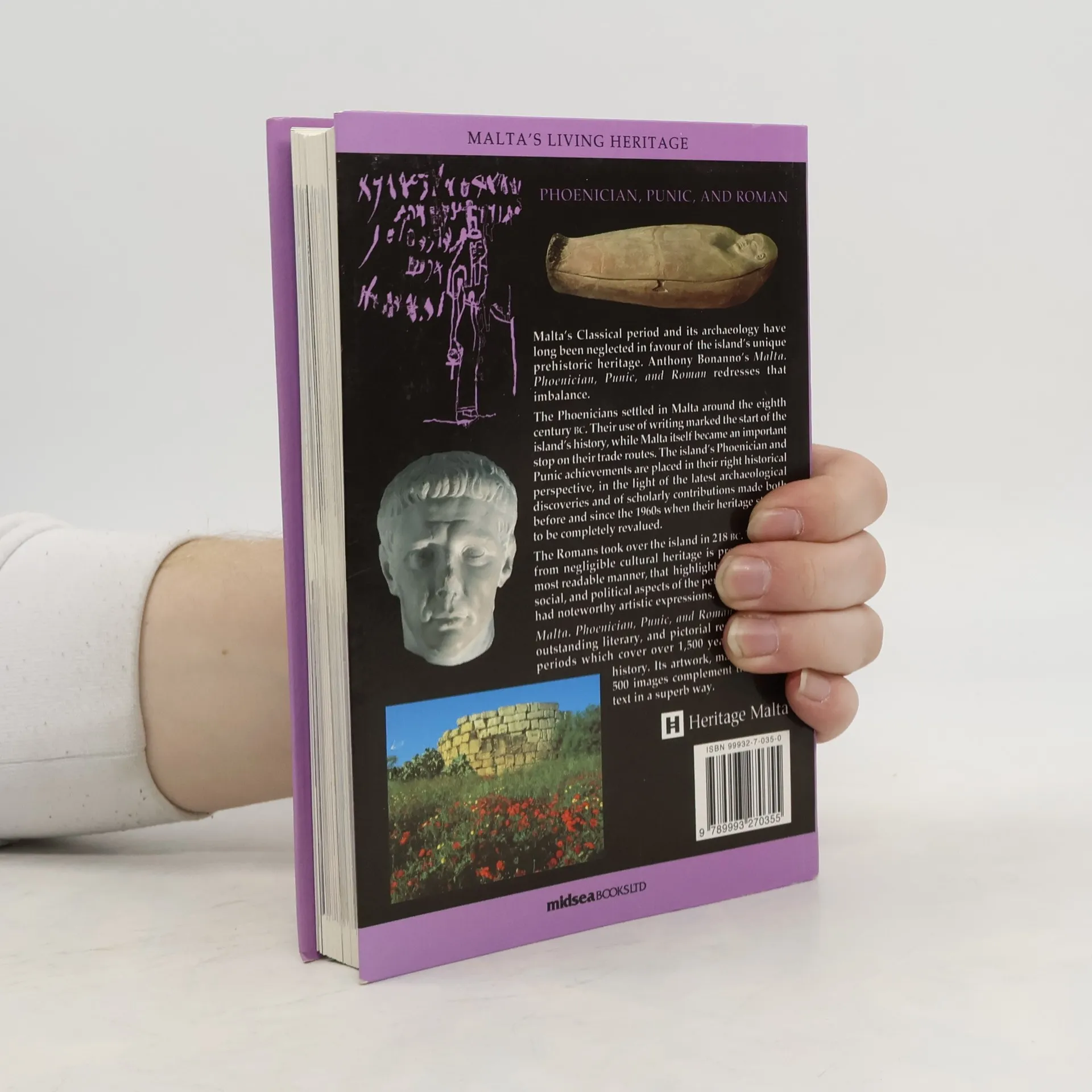
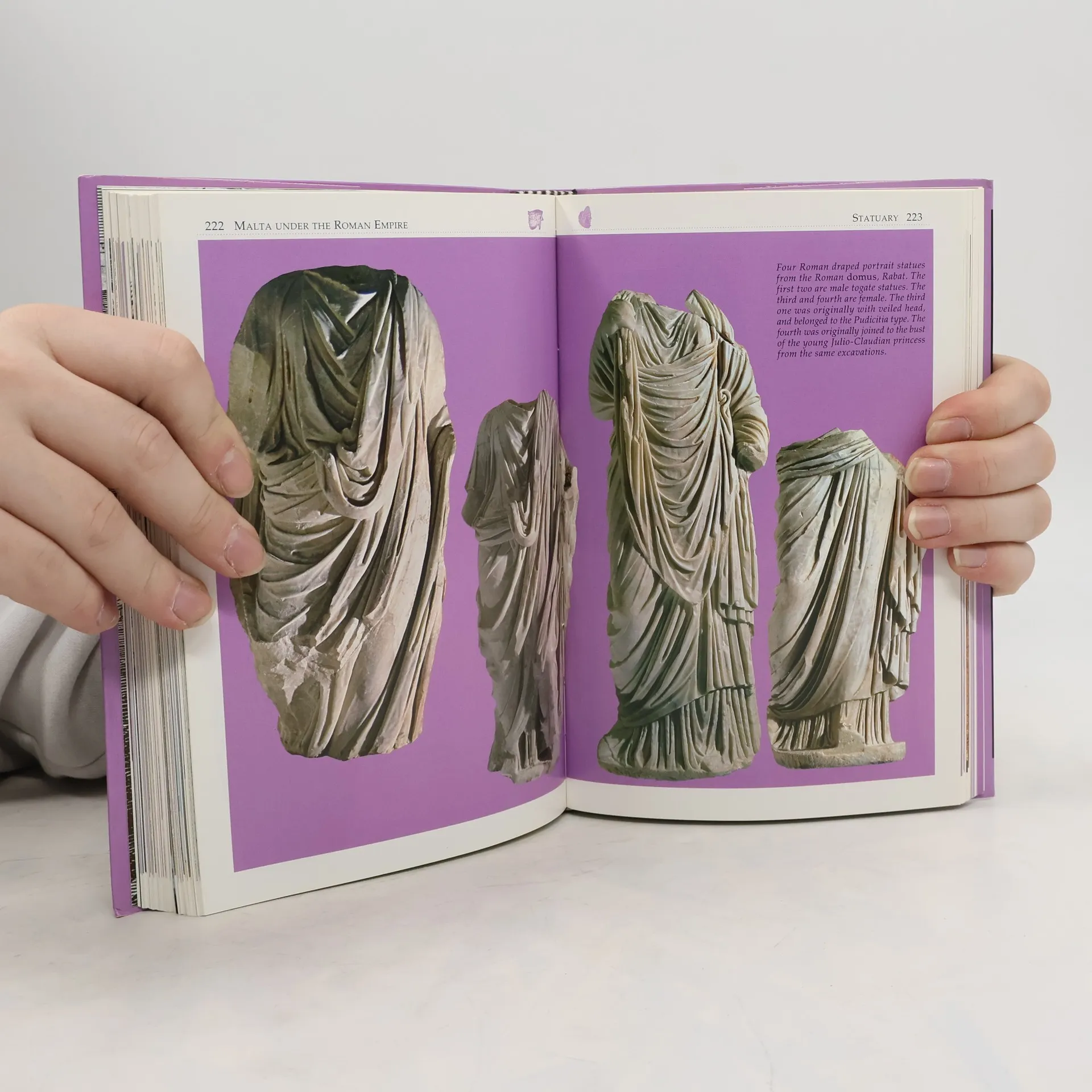
Supported by numerous colour photographs by Daniel Cilia, this well-presented book surveys the archaeological heritage of Malta, focusing on the classical period rather than the island's more celebrated prehistoric past. Photographs, plans and reconstruction drawings present archaeological sites, tombs, coins, ceramics, artworks, extraordinary objects and other items from everyday life, dating to the Phoenician, Punic and Roman periods in turn, representing 1,500 years of history. Bonanno's narrative discusses this material evidence and considers what it reveals about the identity, culture, interaction, funerary beliefs, economy and government of Malta's rulers. The physical organisation of the island is explored through maps while inscriptions are examined as sources for religion and administration. Significant archaeological remains survive from these periods, including towns, villas and harbours, demonstrating the significance of Malta within the Mediterranean as a major trading stop. This book provides an invaluable guide to that heritage.
Zakup książki
Malta - Phoenician, Punic and Roman, Anthony Bonanno, Daniel Cilia
- Język

- Rok wydania
- 2005
- Oprawa
- (miękka)
Metody płatności
Brakuje nam tutaj Twojej recenzji.
- Tytuł
- Malta - Phoenician, Punic and Roman
- Język
- angielski
- Autorzy
- Anthony Bonanno, Daniel Cilia
- Wydawca
- Midsea Books Ltd,Malta
- Rok wydania
- 2005
- Oprawa
- miękka
- Liczba stron
- 359
- ISBN10
- 9993270350
- ISBN13
- 9789993270355
- Seria
- Tagi
- Europa, Historia Europy, Malta
- Ocena
- 4,1 z 5
- Opis
- Supported by numerous colour photographs by Daniel Cilia, this well-presented book surveys the archaeological heritage of Malta, focusing on the classical period rather than the island's more celebrated prehistoric past. Photographs, plans and reconstruction drawings present archaeological sites, tombs, coins, ceramics, artworks, extraordinary objects and other items from everyday life, dating to the Phoenician, Punic and Roman periods in turn, representing 1,500 years of history. Bonanno's narrative discusses this material evidence and considers what it reveals about the identity, culture, interaction, funerary beliefs, economy and government of Malta's rulers. The physical organisation of the island is explored through maps while inscriptions are examined as sources for religion and administration. Significant archaeological remains survive from these periods, including towns, villas and harbours, demonstrating the significance of Malta within the Mediterranean as a major trading stop. This book provides an invaluable guide to that heritage.