

Więcej o książce
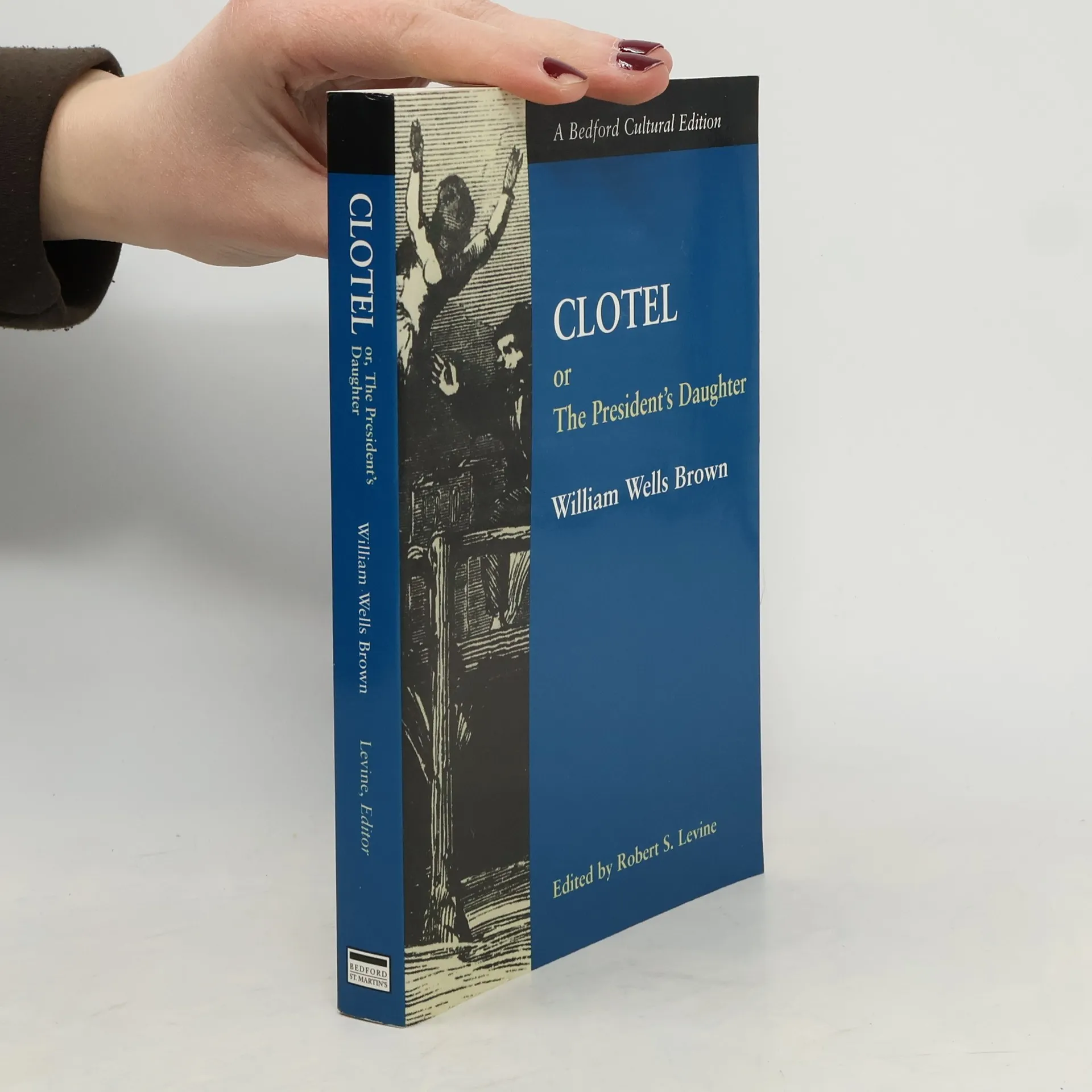
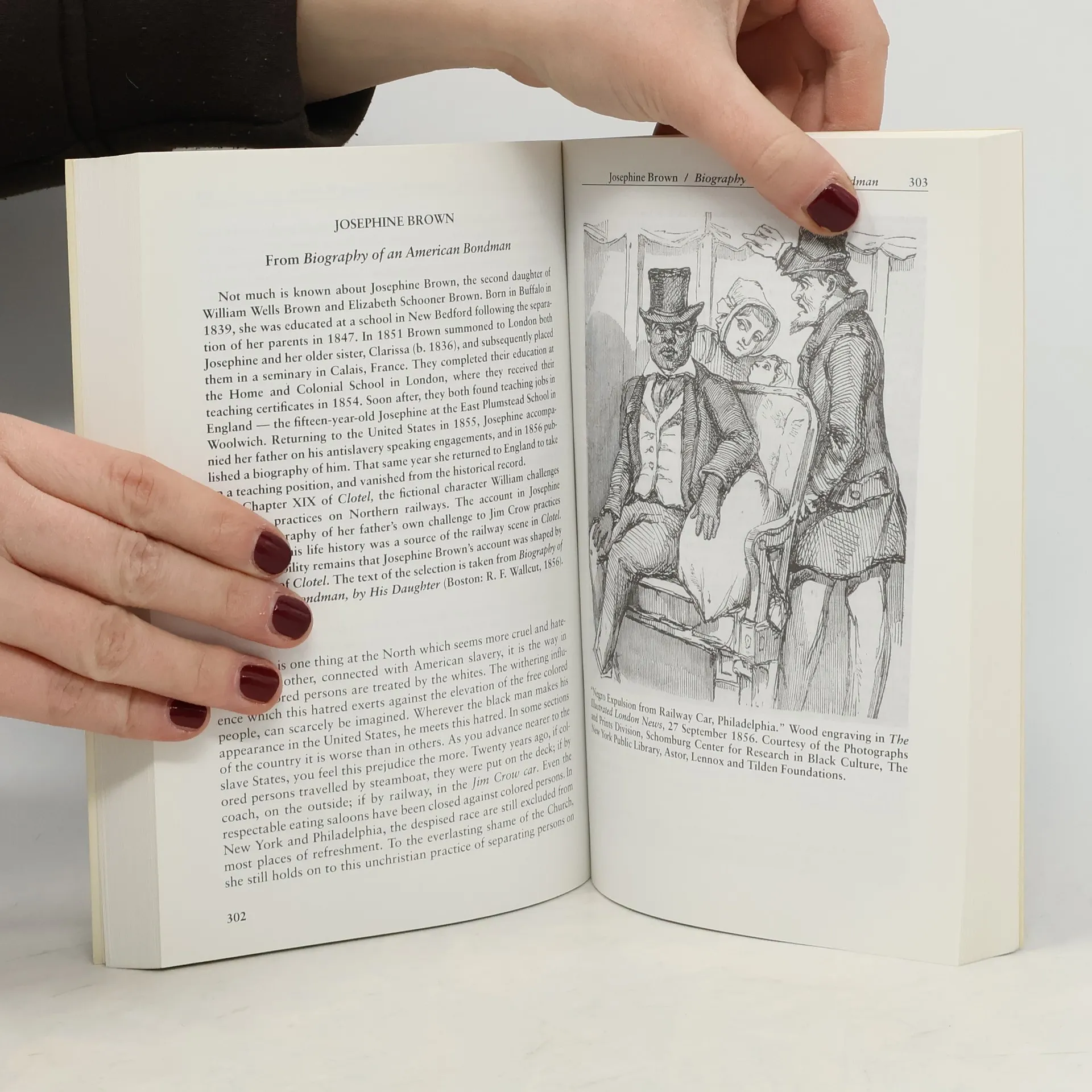
William Wells Brown’s Clotel (1853), the first novel written by an African American, was published in London while Brown was still legally regarded as "property" within the borders of the United States. The novel was inspired by the story of Thomas Jefferson’s purported sexual relationship with his slave Sally Hemings. Brown fictionalizes the stories of Jefferson’s mistress, daughters, and granddaughters — all of whom are slaves — in order to demythologize the dominant U.S. cultural narrative celebrating Jefferson’s America as a nation of freedom and equality for all. The documents in this edition include excerpts from Brown’s sources for the novel — fiction, political essays, sermons, and presidential proclamations; selections that illuminate the range of contemporary attitudes concerning race, slavery, and prejudice; and pieces that advocate various methods of resistance and reform.
Zakup książki
Bedford Cultural Edition: Clotel, William Wells Brown, Robert S. Levine
- Język

- Rok wydania
- 2000
- Oprawa
- (miękka)
Metody płatności
Brakuje nam tutaj Twojej recenzji.
- Tytuł
- Bedford Cultural Edition: Clotel
- Podtytuł
- Or, The President's Daughter
- Język
- angielski
- Autorzy
- William Wells Brown, Robert S. Levine
- Wydawca
- Bedford/St. Martin's
- Rok wydania
- 2000
- Oprawa
- miękka
- Liczba stron
- 527
- ISBN10
- 0312152655
- ISBN13
- 9780312152659
- Seria
- Ocena
- 3,5 z 5
- Opis
- William Wells Brown’s Clotel (1853), the first novel written by an African American, was published in London while Brown was still legally regarded as "property" within the borders of the United States. The novel was inspired by the story of Thomas Jefferson’s purported sexual relationship with his slave Sally Hemings. Brown fictionalizes the stories of Jefferson’s mistress, daughters, and granddaughters — all of whom are slaves — in order to demythologize the dominant U.S. cultural narrative celebrating Jefferson’s America as a nation of freedom and equality for all. The documents in this edition include excerpts from Brown’s sources for the novel — fiction, political essays, sermons, and presidential proclamations; selections that illuminate the range of contemporary attitudes concerning race, slavery, and prejudice; and pieces that advocate various methods of resistance and reform.