

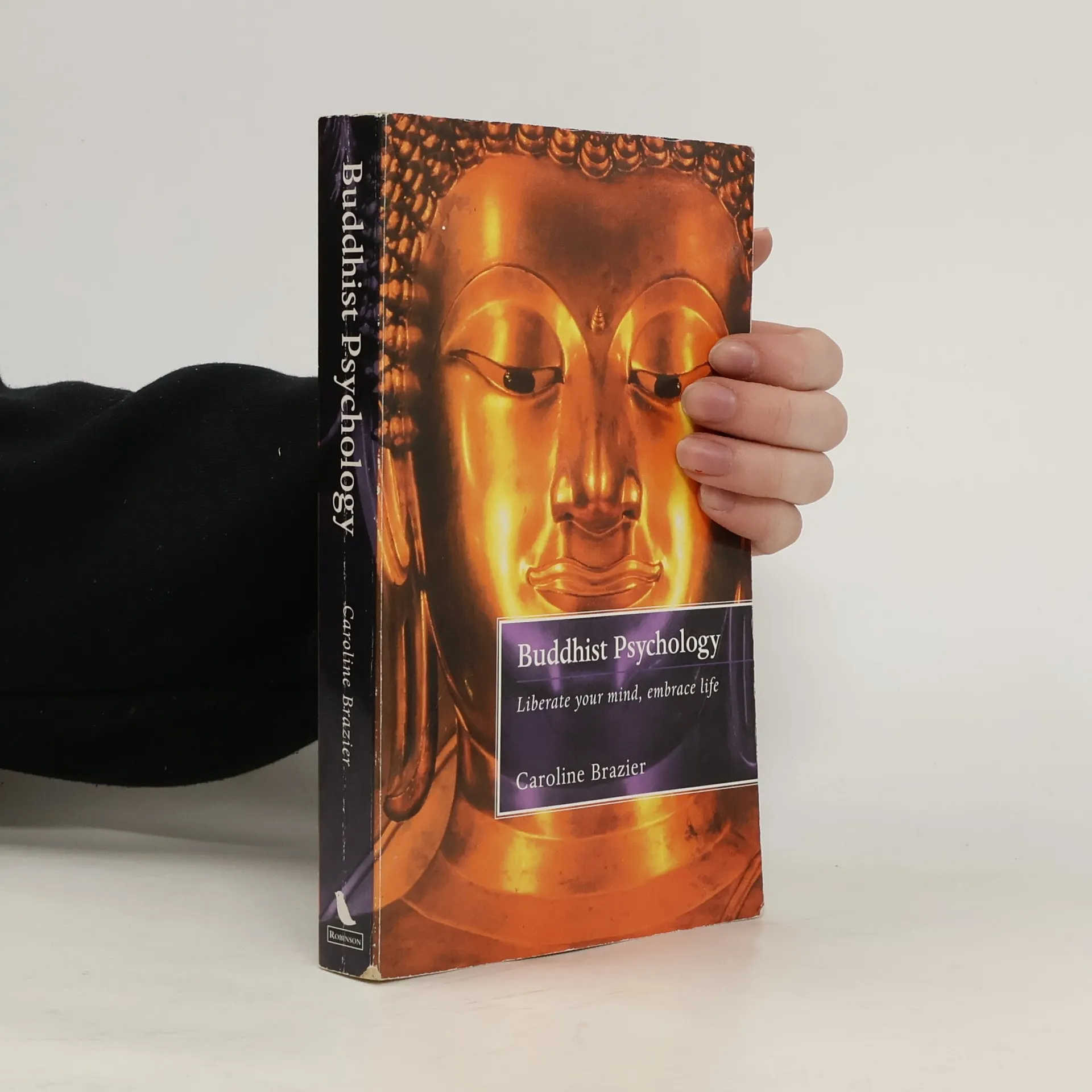
Więcej o książce
Western therapeutic approaches have often put considerable emphasis on building self-esteem and enhancing a positive sense of self. This book challenges the assumption behind this approach. Most of us protect ourselves against being fully alive. Because we fear loss and pain, we escape by withdrawing from experiences and distracting ourselves with amusements. We fall into habitual ways of acting and limit our experience to the familiar. We create an identity which we think of as a 'self', and in so doing imprison our life-energy.For 2500 years Buddhism has developed an understanding of the way that we can easily fall into a deluded view. It has shown how the mind clings to false perceptions and tries to create permanence out of an ever changing world. Written by a practising therapist and committed Buddhist, this book explores the practical relevance of Buddhist teachings on psychology to our everyday experience. By letting go of our attachment to self, we open ourselves to full engagement with life and with others. We step out of our self-made prison.
Zakup książki
Buddhist Psychology, Caroline Brazier
- Język

- Rok wydania
- 2021
- Oprawa
- (miękka)
Metody płatności
Brakuje nam tutaj Twojej recenzji.
- Tytuł
- Buddhist Psychology
- Język
- angielski
- Autorzy
- Caroline Brazier
- Wydawca
- Robinson
- Rok wydania
- 2021
- Oprawa
- miękka
- Liczba stron
- 256
- ISBN10
- 1841197335
- ISBN13
- 9781841197333
- Seria
- Ocena
- 3,7 z 5
- Opis
- Western therapeutic approaches have often put considerable emphasis on building self-esteem and enhancing a positive sense of self. This book challenges the assumption behind this approach. Most of us protect ourselves against being fully alive. Because we fear loss and pain, we escape by withdrawing from experiences and distracting ourselves with amusements. We fall into habitual ways of acting and limit our experience to the familiar. We create an identity which we think of as a 'self', and in so doing imprison our life-energy.For 2500 years Buddhism has developed an understanding of the way that we can easily fall into a deluded view. It has shown how the mind clings to false perceptions and tries to create permanence out of an ever changing world. Written by a practising therapist and committed Buddhist, this book explores the practical relevance of Buddhist teachings on psychology to our everyday experience. By letting go of our attachment to self, we open ourselves to full engagement with life and with others. We step out of our self-made prison.