

Więcej o książce
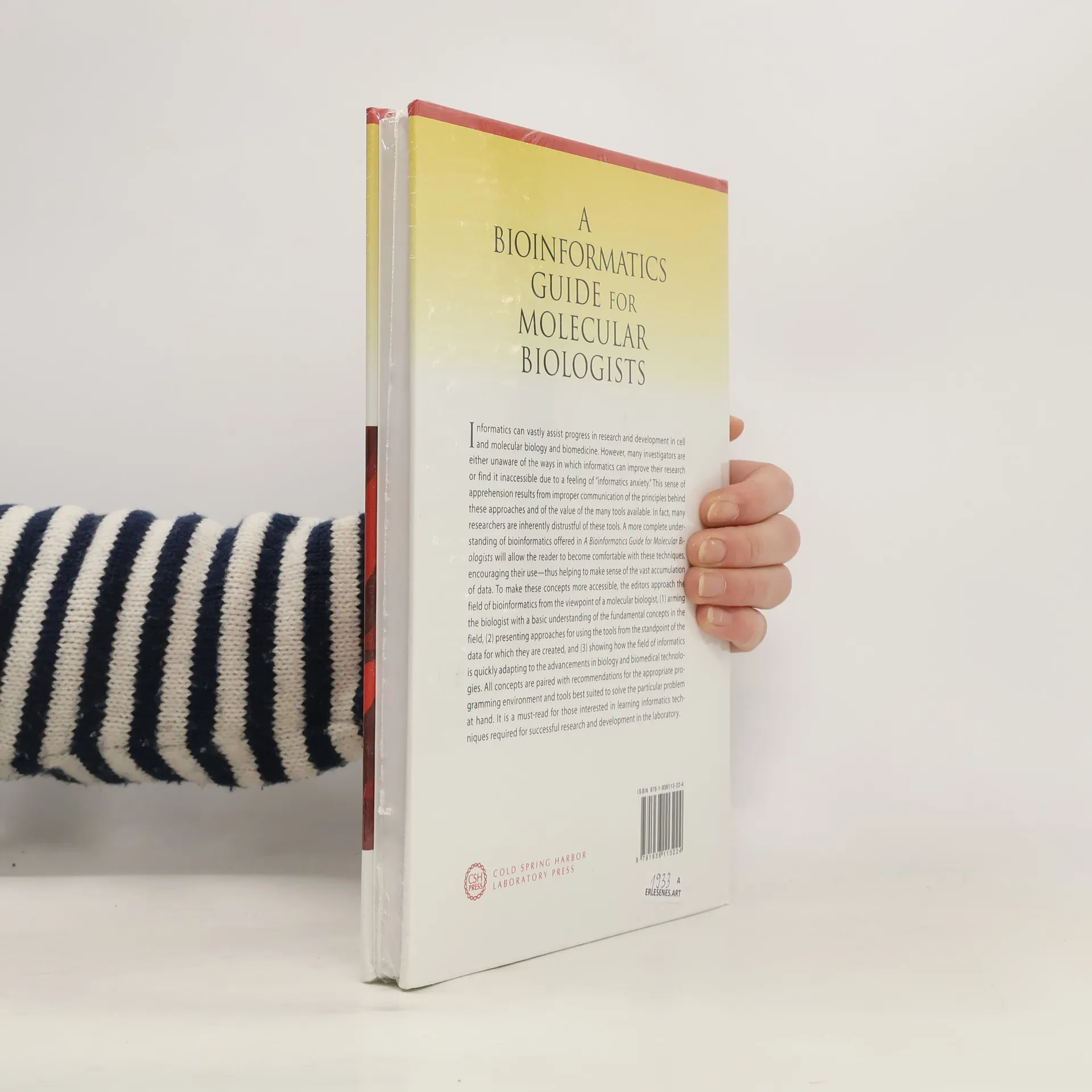
Informatics can significantly enhance research and development in cell and molecular biology and biomedicine. However, many investigators remain unaware of its benefits or feel "informatics anxiety," stemming from poor communication about its principles and the value of available tools. This apprehension often leads to distrust of these resources. A deeper understanding of bioinformatics will help researchers become comfortable with these techniques, facilitating the interpretation of vast data. The editors present bioinformatics from a molecular biologist's perspective, equipping them with essential concepts, showcasing how to utilize tools based on the data they are designed for, and illustrating how informatics is evolving alongside advancements in biology and biomedical technologies. Each concept is paired with recommendations for suitable programming environments and tools tailored to specific problems. This resource is essential for anyone looking to master informatics techniques necessary for effective research and development in the lab.
Zakup książki
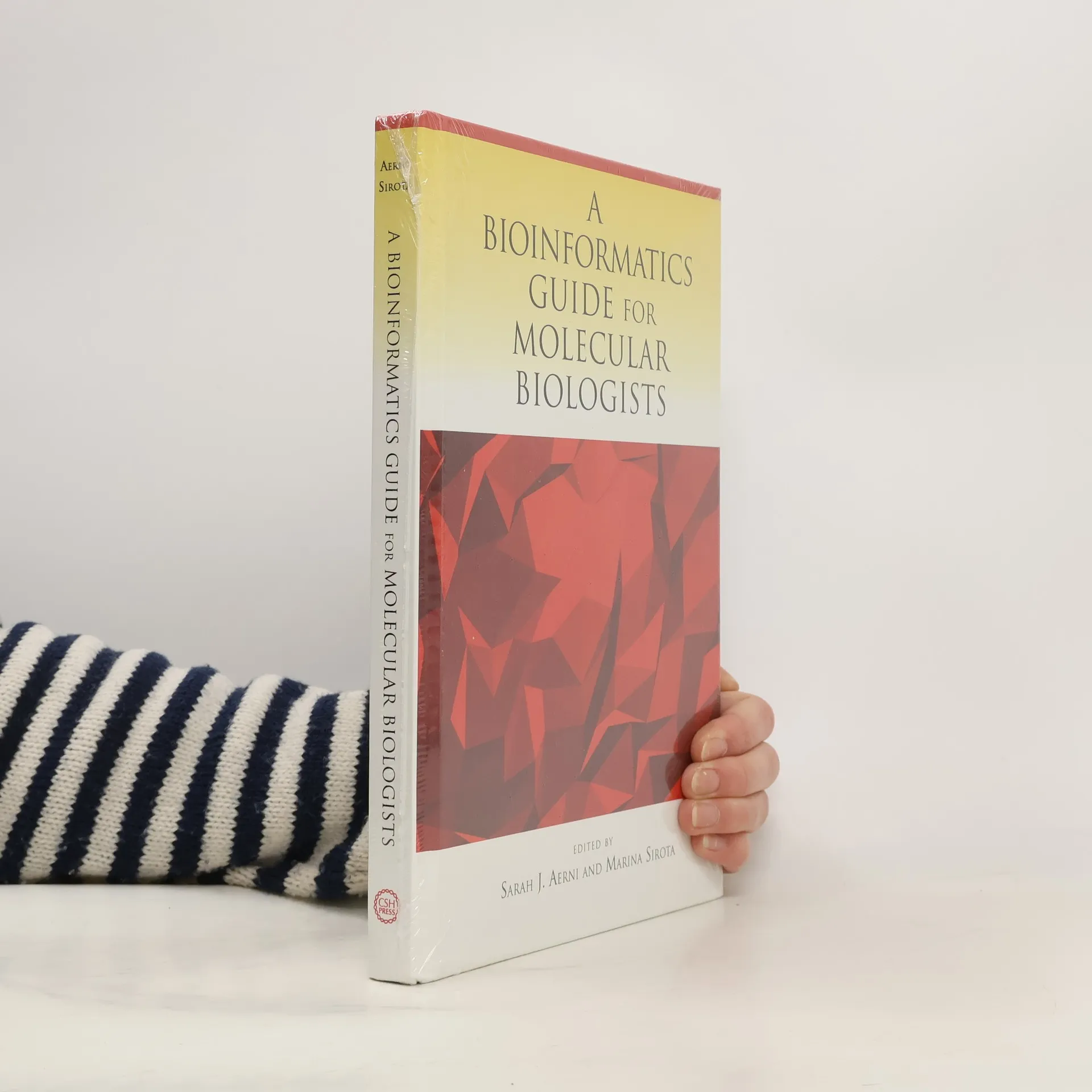
A Bioinformatics Guide for Molecular Biologists, Sarah J. Aerni, Marina Sirota
- Język

- Rok wydania
- 2014
- Oprawa
- (twarda)
Metody płatności
Brakuje nam tutaj Twojej recenzji.
- Tytuł
- A Bioinformatics Guide for Molecular Biologists
- Język
- angielski
- Autorzy
- Sarah J. Aerni, Marina Sirota
- Rok wydania
- 2014
- Oprawa
- twarda
- Liczba stron
- 328
- ISBN10
- 1936113228
- ISBN13
- 9781936113224
- Seria
- Tagi
- Nauka, USA, Tematyka medyczna, Genetyka, Biochemia, Biologia molekularna, Przetwarzanie Danych, Biotechnologia
- Ocena
- 3 z 5
- Opis
- Informatics can significantly enhance research and development in cell and molecular biology and biomedicine. However, many investigators remain unaware of its benefits or feel "informatics anxiety," stemming from poor communication about its principles and the value of available tools. This apprehension often leads to distrust of these resources. A deeper understanding of bioinformatics will help researchers become comfortable with these techniques, facilitating the interpretation of vast data. The editors present bioinformatics from a molecular biologist's perspective, equipping them with essential concepts, showcasing how to utilize tools based on the data they are designed for, and illustrating how informatics is evolving alongside advancements in biology and biomedical technologies. Each concept is paired with recommendations for suitable programming environments and tools tailored to specific problems. This resource is essential for anyone looking to master informatics techniques necessary for effective research and development in the lab.