



Więcej o książce
Statistics reveal that approximately 85.4% of the world's population follows a religion. Since the 1990s, the study of religion has become increasingly integrated into the foreign policy and diplomatic training of various states. Recently, interreligious dialogue has emerged as a key tool for fostering respect among diverse religious and non-religious perspectives, aiming to mitigate the polarization often associated with societal attitudes toward religious diversity. This book explores interreligious dialogue as a means of contributing to peacebuilding. It emphasizes the importance of recognizing and protecting the core aspects of religious experience to establish a genuine culture of encounter. This publication is a collaborative effort between university scholars and international experts, developed within the research group "Interreligious Dialogue & Peacebuilding" led by the Institute of European Studies and Human Rights at the Pontifical University of Salamanca.
Zakup książki
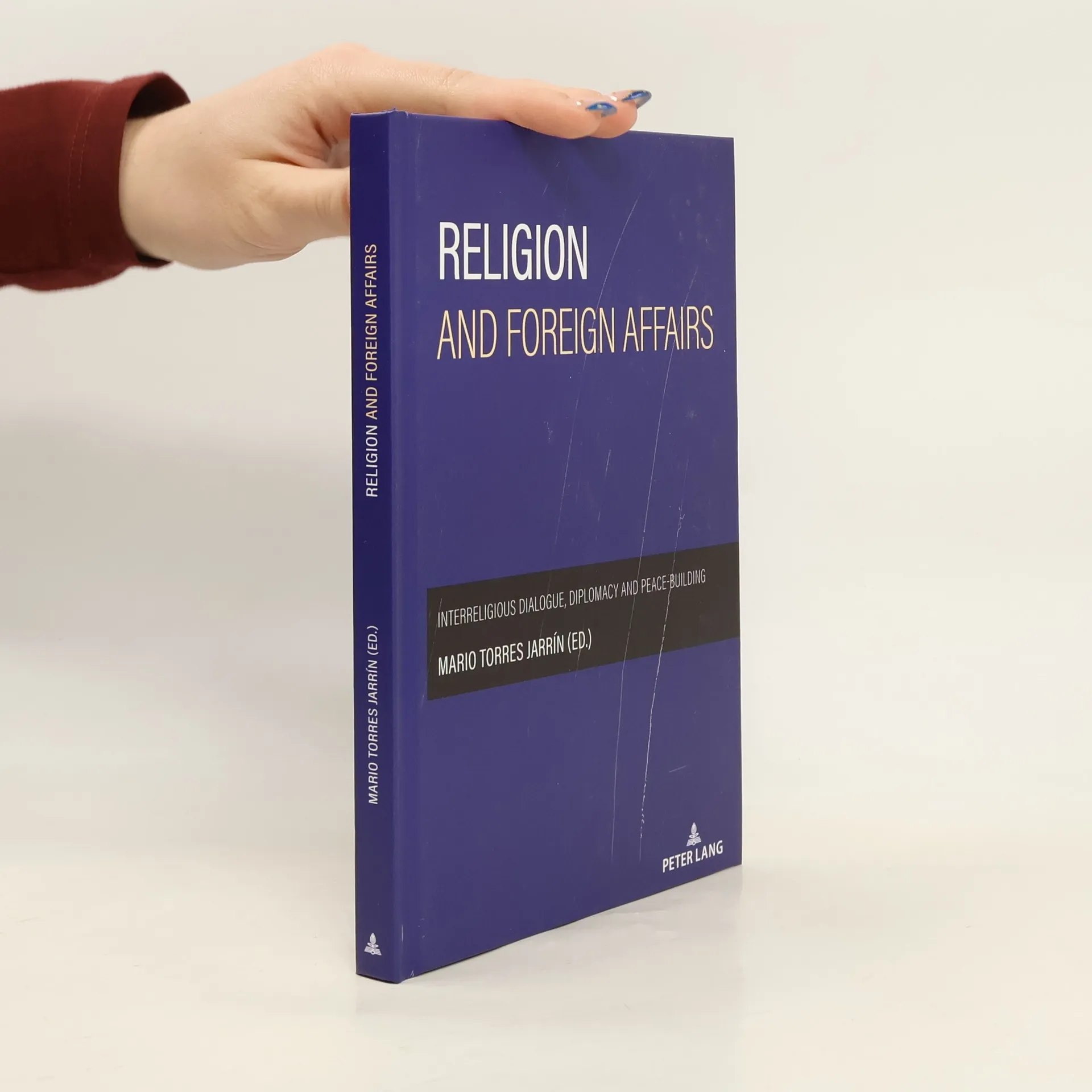
Religion and Foreign Affairs, Mario Torres Jarrín, Johanna Lüder
- Język

- Rok wydania
- 2024
- Oprawa
- (twarda)
Metody płatności
Nikt jeszcze nie ocenił.
- Tytuł
- Religion and Foreign Affairs
- Podtytuł
- Interreligious Dialogue, Diplomacy and Peace-Building
- Język
- angielski
- Autorzy
- Mario Torres Jarrín, Johanna Lüder
- Wydawca
- Peter Lang
- Rok wydania
- 2024
- Oprawa
- twarda
- Liczba stron
- 186
- ISBN10
- 3631927630
- ISBN13
- 9783631927632
- Seria
- Tagi
- Tematy religijne, Tematyka filozoficzna, Tematy prawne, Polityka, Teorie polityczne, Etyka, Filozofia & Religia, Pokój, Teologia chrześcijańska, Dyplomacja, Dialog, Relacje Międzywyznaniowe
- Opis
- Statistics reveal that approximately 85.4% of the world's population follows a religion. Since the 1990s, the study of religion has become increasingly integrated into the foreign policy and diplomatic training of various states. Recently, interreligious dialogue has emerged as a key tool for fostering respect among diverse religious and non-religious perspectives, aiming to mitigate the polarization often associated with societal attitudes toward religious diversity. This book explores interreligious dialogue as a means of contributing to peacebuilding. It emphasizes the importance of recognizing and protecting the core aspects of religious experience to establish a genuine culture of encounter. This publication is a collaborative effort between university scholars and international experts, developed within the research group "Interreligious Dialogue & Peacebuilding" led by the Institute of European Studies and Human Rights at the Pontifical University of Salamanca.