



Parametry
- 288 stron
- 11 godzin czytania
Więcej o książce
The principle of tolerance is a significant legacy of the Enlightenment, yet scholarly works have often focused on traditional historical perspectives or critiques from contemporary thinkers like Adorno, Horkheimer, Foucault, and MacIntyre. These critics argue that Enlightenment ideals, including tolerance, can serve as instruments of repression rather than as means of promoting freedom. This collection of original essays from an esteemed international group of contributors explores tolerance through various lenses, particularly at the intersection of the individual or group and the state. The volume begins with introductory essays that outline the major shifts in the understanding of tolerance during the eighteenth century and address the challenges of writing a history of tolerance. The subsequent essays are organized around two main themes: the relationship between tolerance and intolerance in religious and political contexts, and the broader implications of these concepts concerning race, gender, deviancy, and criminality. By delving into these intricate issues within the Enlightenment framework, the volume also highlights contemporary challenges related to tolerance and intolerance in today's society.
Zakup książki
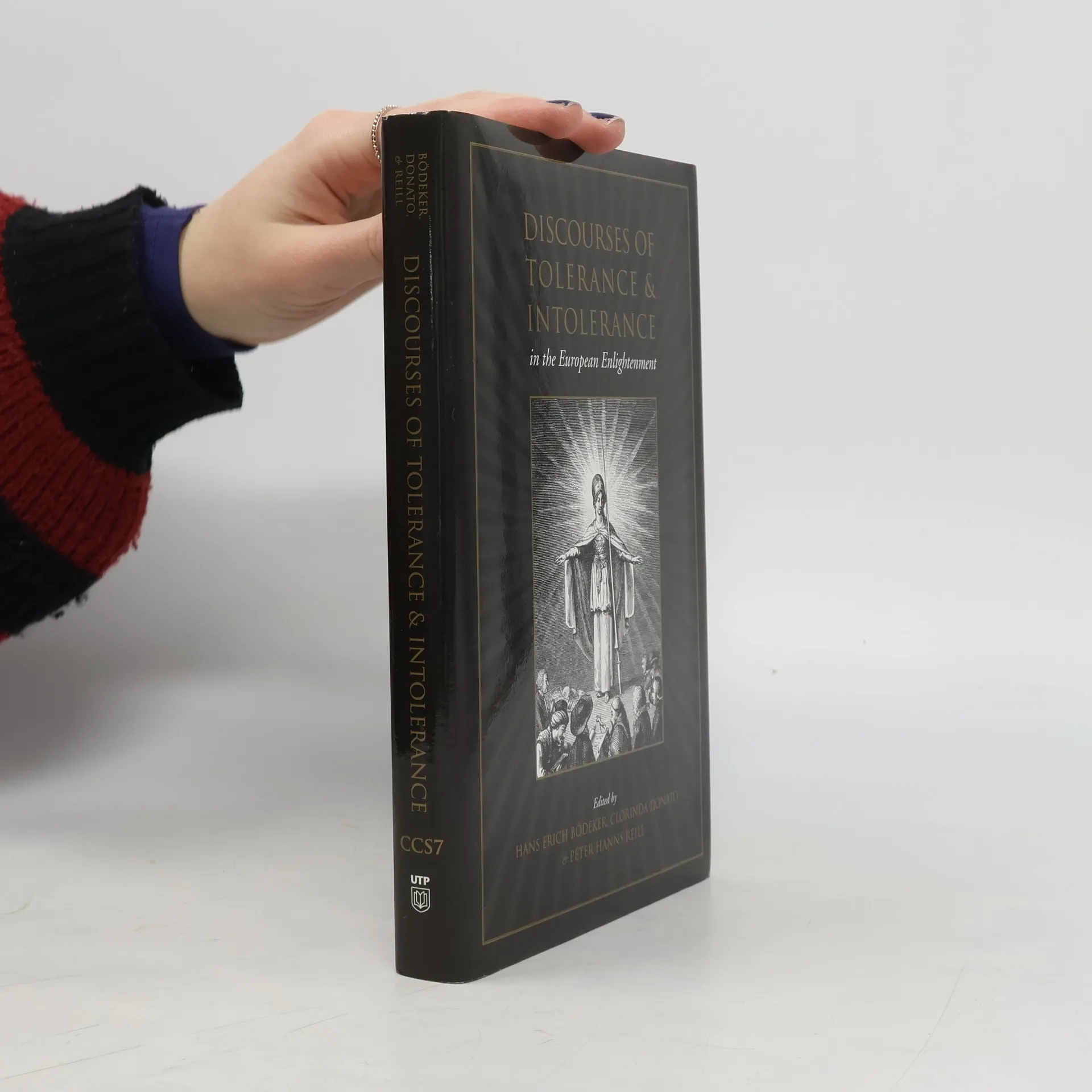
Discourses of Tolerance & Intolerance in the European Enlightenment, Hans Erich Bödeker, Clorinda Donato, Peter Hanns Reill
- Język

- Rok wydania
- 2008
- Oprawa
- (twarda)
Metody płatności
Nikt jeszcze nie ocenił.
- Tytuł
- Discourses of Tolerance & Intolerance in the European Enlightenment
- Język
- angielski
- Wydawca
- University of Toronto Press
- Rok wydania
- 2008
- Oprawa
- twarda
- Liczba stron
- 288
- ISBN10
- 0802091784
- ISBN13
- 9780802091789
- Seria
- Kategorie
- Tagi
- Tematy historyczne, Europa, Literatura fachowa, Historia Europy, Teorie polityczne, XVIII wiek, Historia społeczna, Oświecenie
- Opis
- The principle of tolerance is a significant legacy of the Enlightenment, yet scholarly works have often focused on traditional historical perspectives or critiques from contemporary thinkers like Adorno, Horkheimer, Foucault, and MacIntyre. These critics argue that Enlightenment ideals, including tolerance, can serve as instruments of repression rather than as means of promoting freedom. This collection of original essays from an esteemed international group of contributors explores tolerance through various lenses, particularly at the intersection of the individual or group and the state. The volume begins with introductory essays that outline the major shifts in the understanding of tolerance during the eighteenth century and address the challenges of writing a history of tolerance. The subsequent essays are organized around two main themes: the relationship between tolerance and intolerance in religious and political contexts, and the broader implications of these concepts concerning race, gender, deviancy, and criminality. By delving into these intricate issues within the Enlightenment framework, the volume also highlights contemporary challenges related to tolerance and intolerance in today's society.