


Więcej o książce
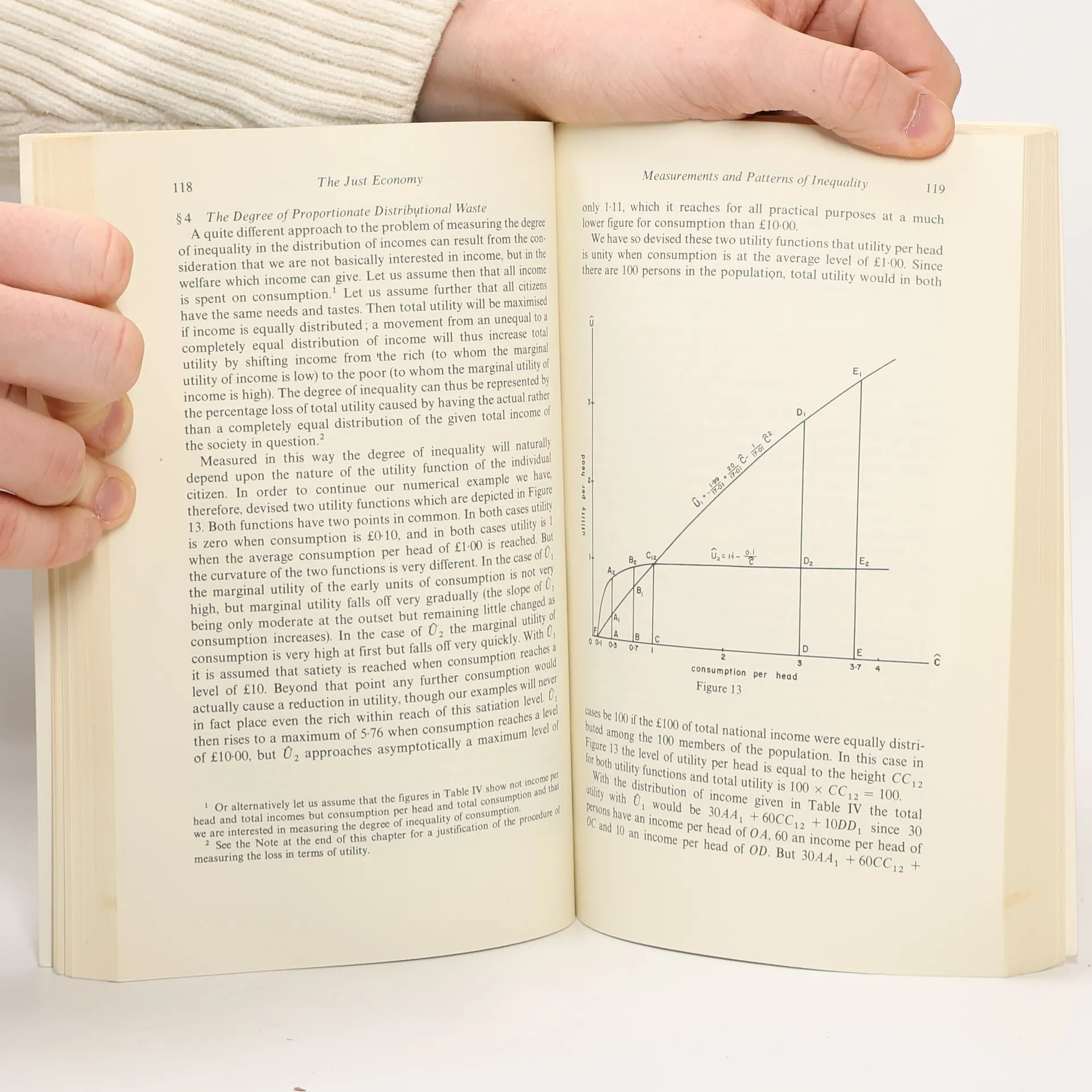
First published in 1979, this fourth part of Principles of Political Economy applies the tools of economic analysis to the distribution of income and property. Professor Meade considers the problems of making interpersonal comparisons of welfare and of distinguishing between the efficiency and distributional aspects of changes in social welfare. He analyses the possible criteria for redistribution as between rich and poor members of the same generation, as between present and future generations, and in the context of demographic policies as between the born and the unborn. Special attention is given to the social factors (such as assortative mating, differential fertility, and laws and customs relating to the inheritance of property) in explaining the persistence of economic inequalities, and to the various forms of economic policy which may be devised for the reduction of such inequalities. An extensive mathematical model of the dynamics of social welfare in a second-best economy is appended.
Zakup książki
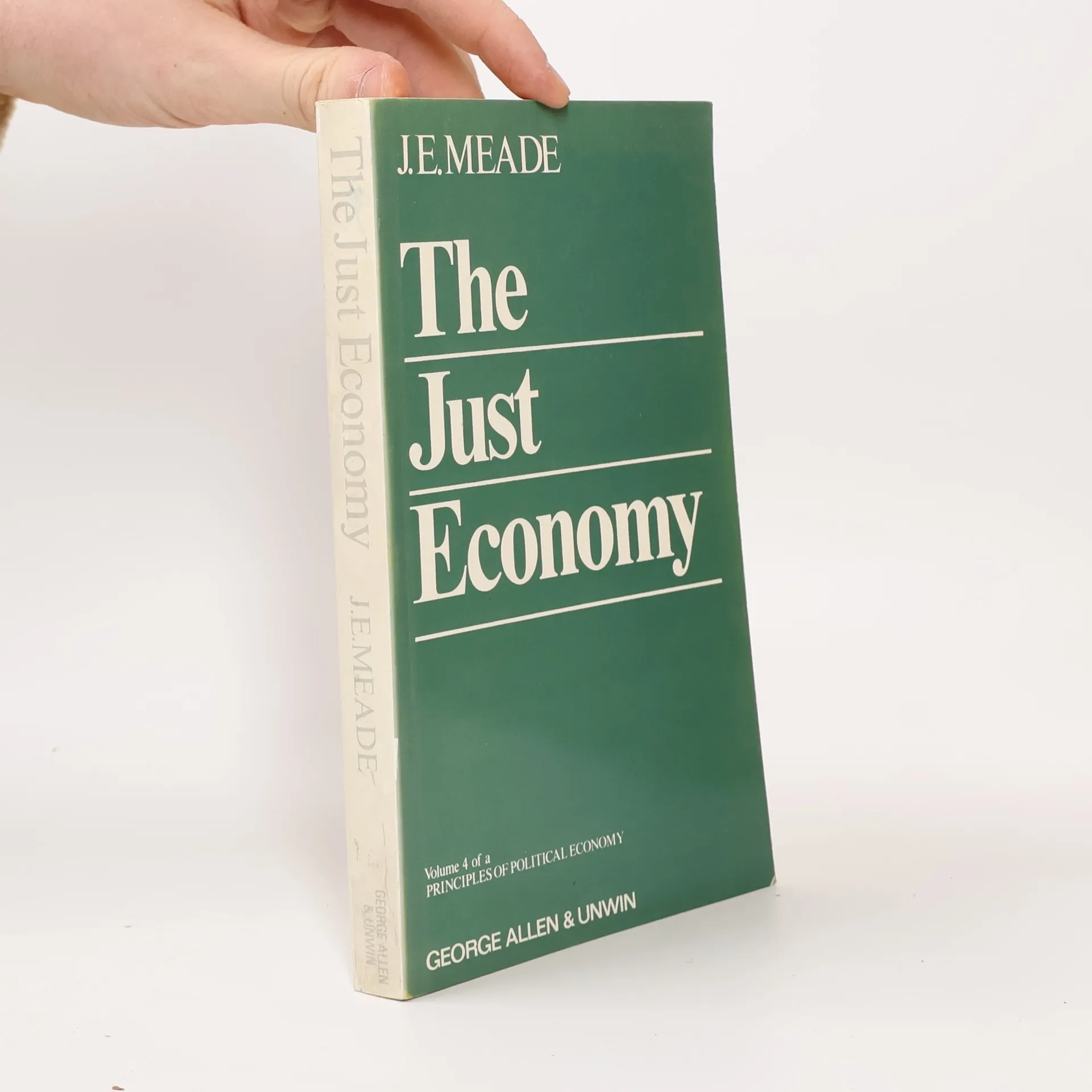
Principles of Political Economy - 4: The Just Economy, James Edward Meade
- Język

- Rok wydania
- 1976
- Oprawa
- (twarda)
Metody płatności
Nikt jeszcze nie ocenił.
- Tytuł
- Principles of Political Economy - 4: The Just Economy
- Język
- angielski
- Autorzy
- James Edward Meade
- Wydawca
- HarperCollins Publishers
- Rok wydania
- 1976
- Oprawa
- twarda
- Liczba stron
- 247
- ISBN10
- 0043302793
- ISBN13
- 9780043302798
- Seria
- Tagi
- Biznes
- Opis
- First published in 1979, this fourth part of Principles of Political Economy applies the tools of economic analysis to the distribution of income and property. Professor Meade considers the problems of making interpersonal comparisons of welfare and of distinguishing between the efficiency and distributional aspects of changes in social welfare. He analyses the possible criteria for redistribution as between rich and poor members of the same generation, as between present and future generations, and in the context of demographic policies as between the born and the unborn. Special attention is given to the social factors (such as assortative mating, differential fertility, and laws and customs relating to the inheritance of property) in explaining the persistence of economic inequalities, and to the various forms of economic policy which may be devised for the reduction of such inequalities. An extensive mathematical model of the dynamics of social welfare in a second-best economy is appended.