

Parametry
- 160 stron
- 6 godzin czytania
Więcej o książce
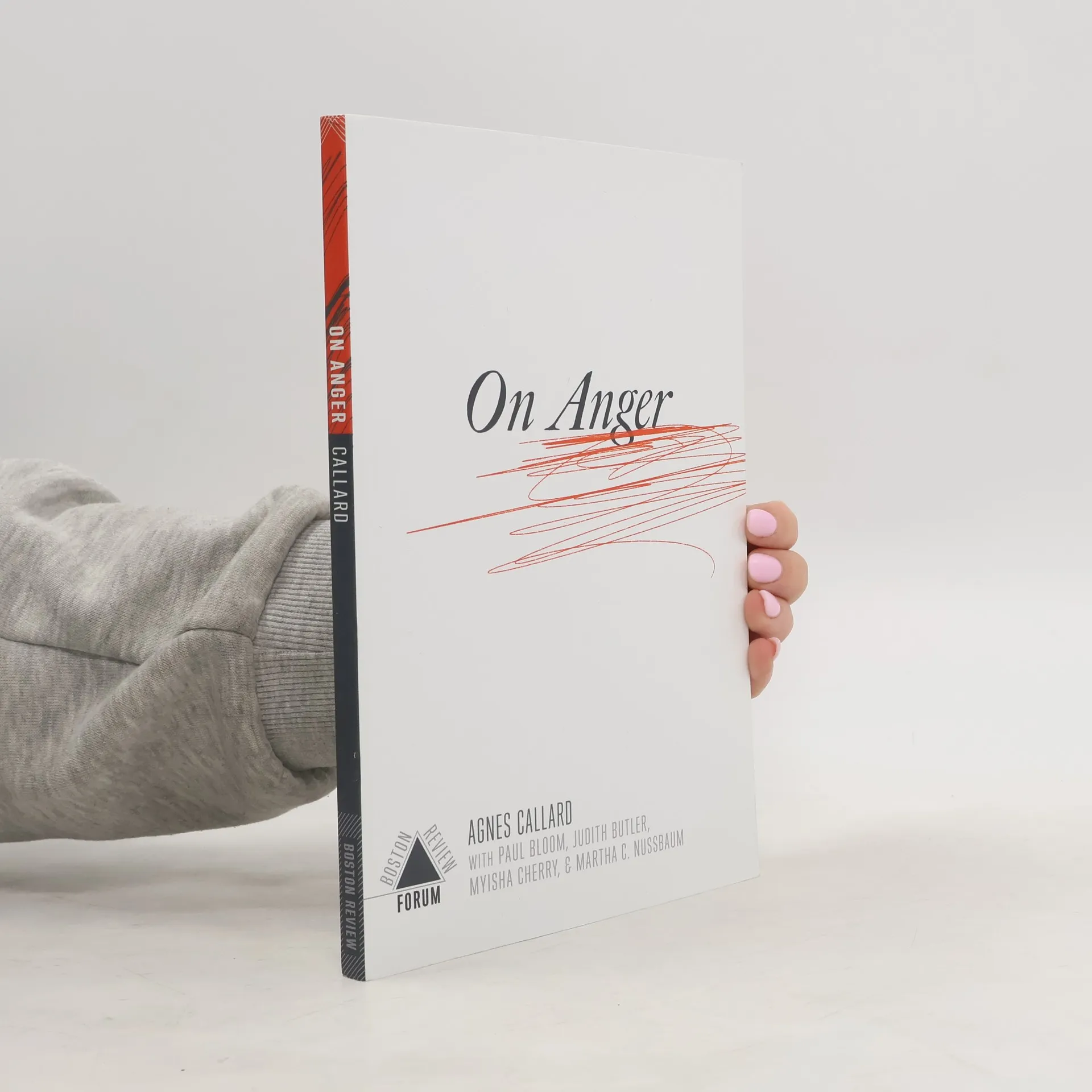
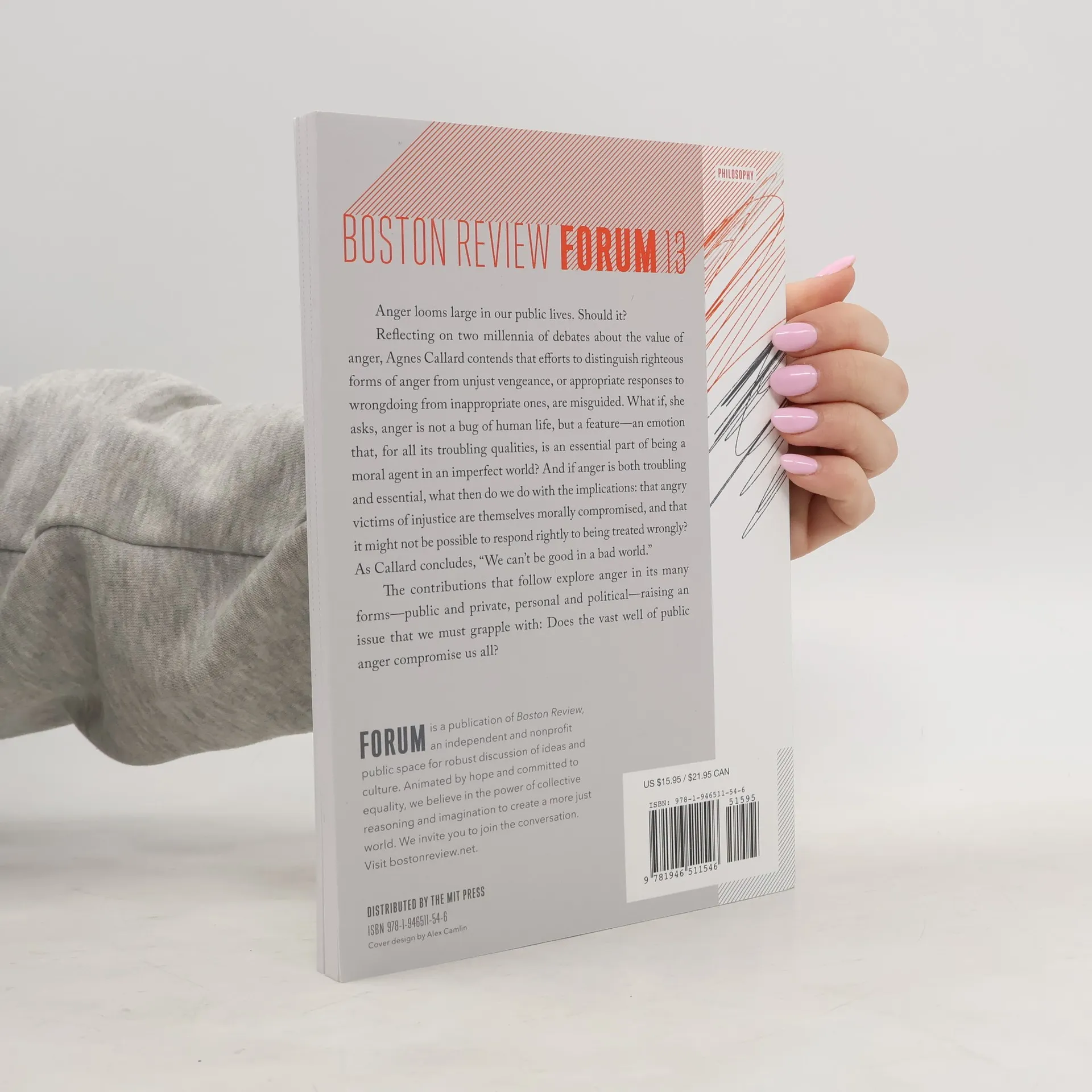
Anger looms large in our public lives. Should it?Reflecting on two millennia of debates about the value of anger, Agnes Callard contends that efforts to distinguish righteous forms of anger from unjust vengeance, or appropriate responses to wrongdoing from inappropriate ones, are misguided. What if, she asks, anger is not a bug of human life, but a feature—an emotion that, for all its troubling qualities, is an essential part of being a moral agent in an imperfect world? And if anger is both troubling and essential, what then do we do with the implications: that angry victims of injustice are themselves morally compromised, and that it might not be possible to respond rightly to being treated wrongly? As Callard concludes, “We can’t be good in a bad world.”The contributions that follow explore anger in its many forms—public and private, personal and political—raising an issue that we must grapple with: Does the vast well of public anger compromise us all?
Zakup książki
Boston Review Forum: On Anger, Agnes Callard, Paul Bloom, Judith Butler, Myisha Cherry, Martha Craven Nussbaum
- Język

- Rok wydania
- 2020
- Oprawa
- (miękka)
Metody płatności
Brakuje nam tutaj Twojej recenzji.
- Tytuł
- Boston Review Forum: On Anger
- Język
- angielski
- Rok wydania
- 2020
- Oprawa
- miękka
- Liczba stron
- 160
- ISBN10
- 1946511544
- ISBN13
- 9781946511546
- Seria
- Kategorie
- Tagi
- Biznes, Nauki przyrodnicze, Tematyka psychologiczna, Tematyka filozoficzna, Tematy prawne, Duchowość, Polityka, Zdrowie, Relacje, Tematyka medyczna, Edukacja & Szkolnictwo, Szkoła, Teologia, Śmierć, Społeczeństwo, Feminizm, Rodzicielstwo, Zdrowie psychiczne, Małżeństwo, Teorie polityczne, Pisanie, Historia USA, Kultura, Szczęście, Tożsamość, Etyka, Psychoanaliza, Gender, Ewolucja, Sprawiedliwość społeczna, Neurobiologia, Praca Socjalna, Niepełnosprawność, Gniew, Psychologia społeczna, Agresja
- Ocena
- 3,7 z 5
- Opis
- Anger looms large in our public lives. Should it?Reflecting on two millennia of debates about the value of anger, Agnes Callard contends that efforts to distinguish righteous forms of anger from unjust vengeance, or appropriate responses to wrongdoing from inappropriate ones, are misguided. What if, she asks, anger is not a bug of human life, but a feature—an emotion that, for all its troubling qualities, is an essential part of being a moral agent in an imperfect world? And if anger is both troubling and essential, what then do we do with the implications: that angry victims of injustice are themselves morally compromised, and that it might not be possible to respond rightly to being treated wrongly? As Callard concludes, “We can’t be good in a bad world.”The contributions that follow explore anger in its many forms—public and private, personal and political—raising an issue that we must grapple with: Does the vast well of public anger compromise us all?