



Więcej o książce
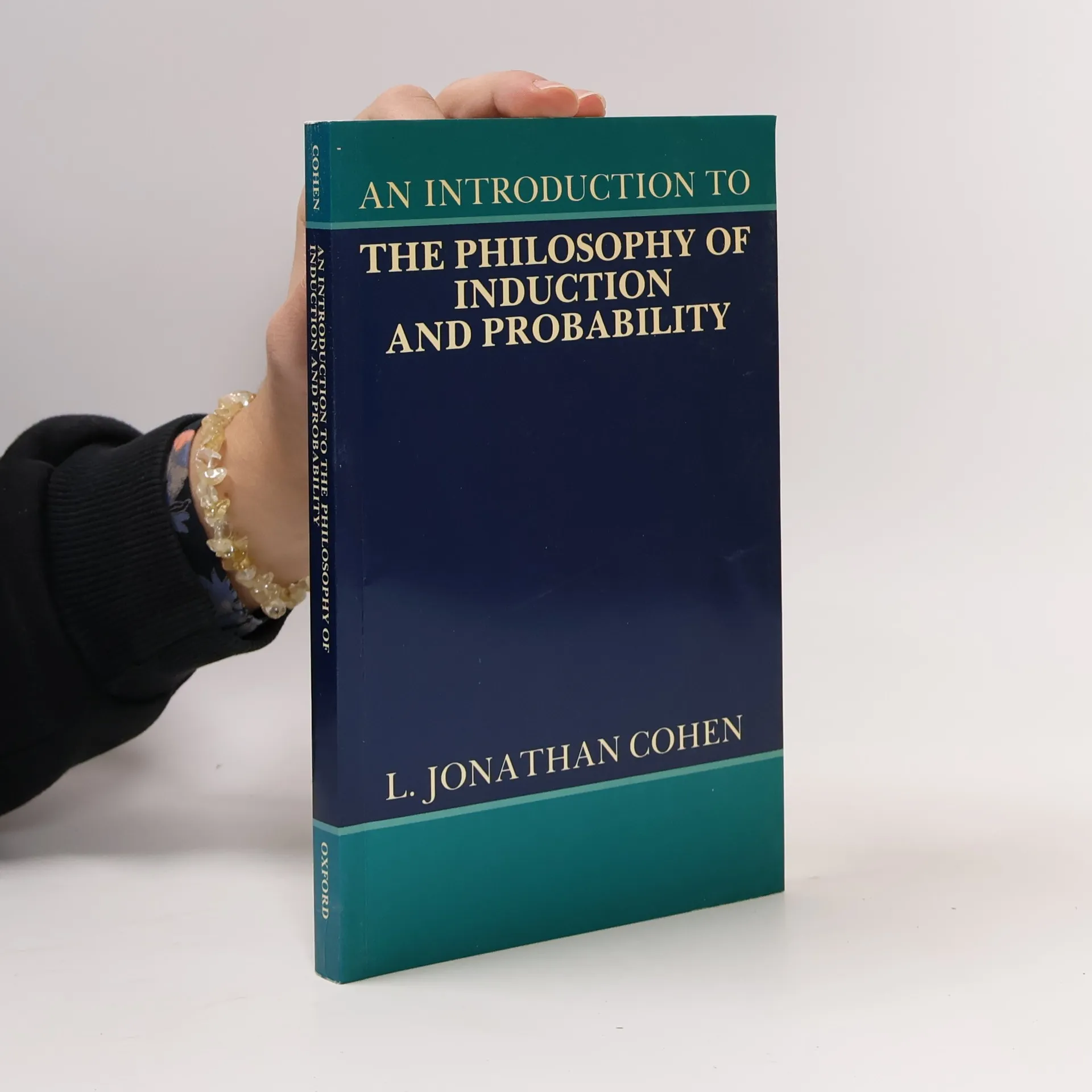
Two new philosophical problems surrounding the gradation of certainty began to emerge in the 17th century and are still very much alive today. One is concerned with the evaluation of inductive reasoning, whether in science, jurisprudence, or elsewhere; the other with the interpretation of the mathematical calculus of change. This book, aimed at non-specialists, investigates both problems and the extent to which they are connected. Cohen demonstrates the diversity of logical structures that are available for judgements of probability, and explores the rationale for their appropriateness in different contexts of application. Thus his study deals with the complexity of the underlying philosophical issues without simply cataloging alternative conceptions or espousing a particular "favorite" theory.
Zakup książki
An Introduction to the Philosophy of Induction and Probability, Laurence Jonathan Cohen
- Język

- Rok wydania
- 1989
- Oprawa
- (miękka)
Metody płatności
Brakuje nam tutaj Twojej recenzji.
- Tytuł
- An Introduction to the Philosophy of Induction and Probability
- Język
- angielski
- Autorzy
- Laurence Jonathan Cohen
- Wydawca
- Oxford University Press
- Rok wydania
- 1989
- Oprawa
- miękka
- Liczba stron
- 228
- ISBN10
- 0198750781
- ISBN13
- 9780198750789
- Seria
- Ocena
- 5 z 5
- Opis
- Two new philosophical problems surrounding the gradation of certainty began to emerge in the 17th century and are still very much alive today. One is concerned with the evaluation of inductive reasoning, whether in science, jurisprudence, or elsewhere; the other with the interpretation of the mathematical calculus of change. This book, aimed at non-specialists, investigates both problems and the extent to which they are connected. Cohen demonstrates the diversity of logical structures that are available for judgements of probability, and explores the rationale for their appropriateness in different contexts of application. Thus his study deals with the complexity of the underlying philosophical issues without simply cataloging alternative conceptions or espousing a particular "favorite" theory.