

Parametry
- 332 strony
- 12 godzin czytania
Więcej o książce
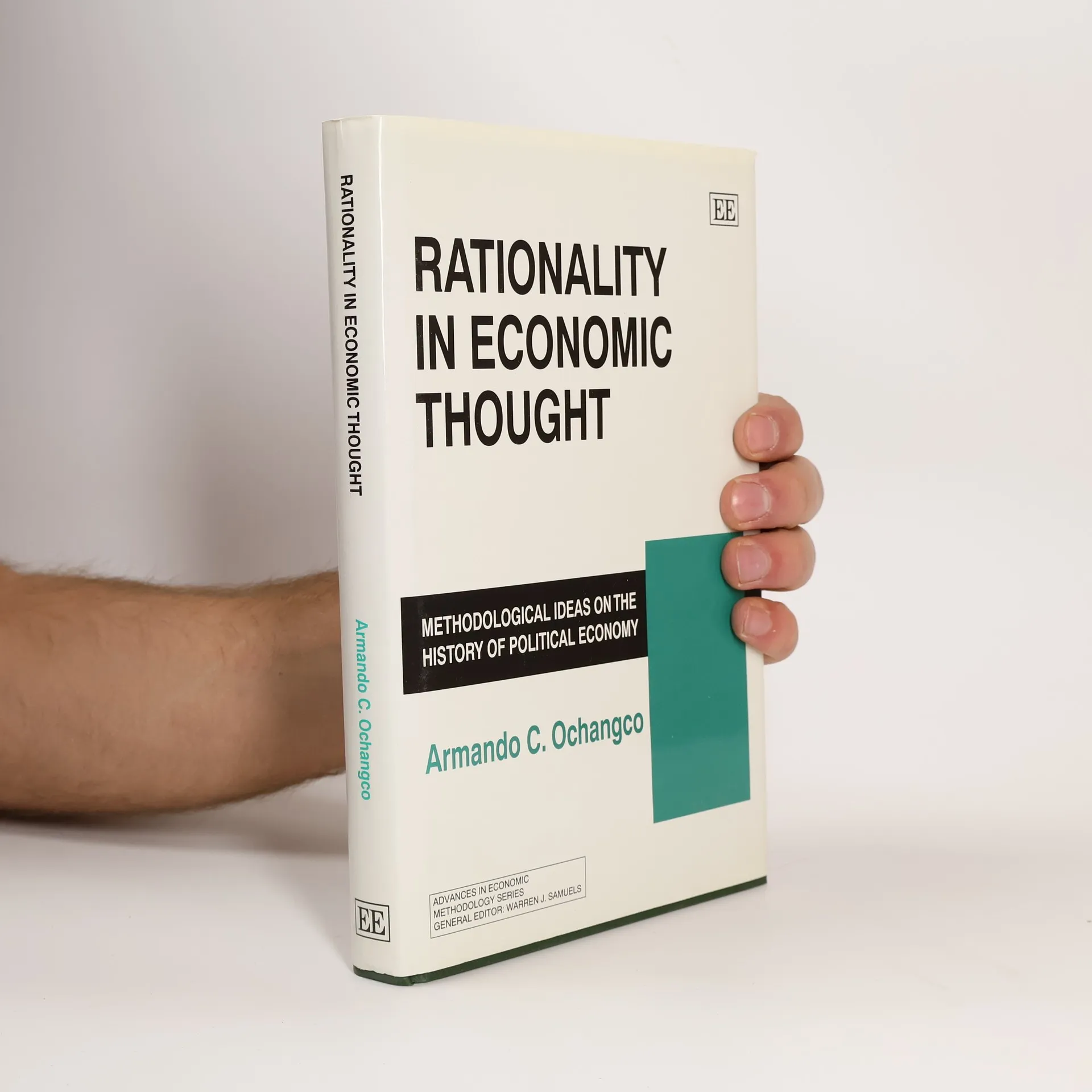
The main theme of this book is the methodological problem of rationality in economic thought. The author investigates the different interpretations of this problem advanced by major figures in the history of economic thought. The book examines the history and rationality of the 'theory of value' from Adam Smith to Alfred Marshall and attempts to understand these arguments and criticisms within a general methodological vein. It goes on to provide a complete historical account of the ideas and arguments on value propounded by Smith, Ricardo, Marx, Jevons, Walras and Marshall as well as by more recent scholars such as Sraffa and Debreu and interprets their methodological differences. The author proposes a novel 'pragmatic-pluralist' methodological interpretation which borrows and creatively synthesizes ideas from many sources, including Wittgenstein (language-games), Searle (performatives), Habermas (communicative reason), hermeneutics, Marx and the pragmatic tradition. Rationality in Economic Thought will be of interest to students and scholars of the history of economic thought, economic methodology and the philosophy of the social sciences.
Zakup książki
Rationality in Economic Thought, Armando C. Ochangco, Warren J. Samuels
- Język

- Rok wydania
- 1999
- Oprawa
- (twarda)
Metody płatności
Nikt jeszcze nie ocenił.
- Tytuł
- Rationality in Economic Thought
- Podtytuł
- Methodological Ideas on the History of Political Economy
- Język
- angielski
- Autorzy
- Armando C. Ochangco, Warren J. Samuels
- Wydawca
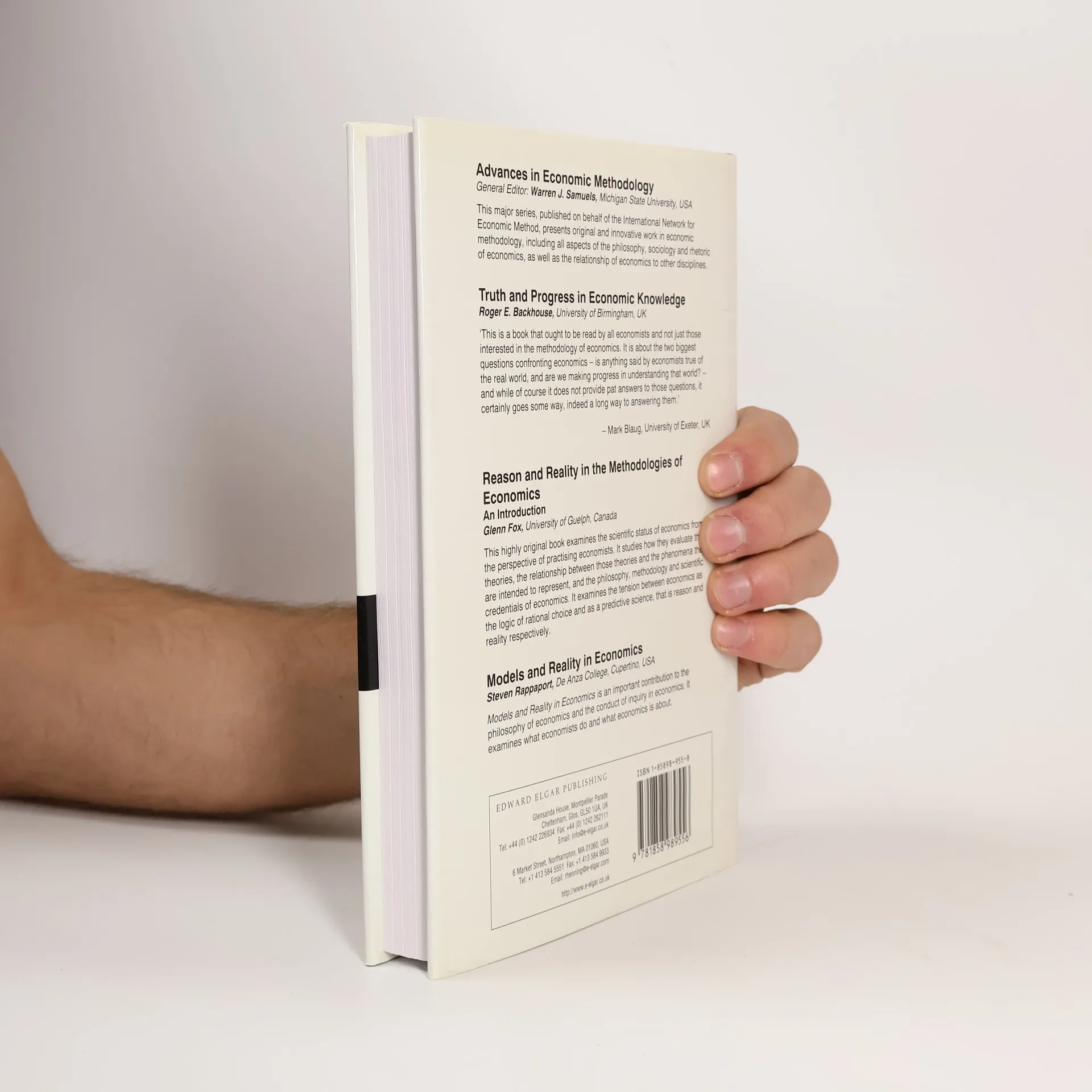
- Edward Elgar Publishing
- Rok wydania
- 1999
- Oprawa
- twarda
- Liczba stron
- 332
- ISBN10
- 1858989558
- ISBN13
- 9781858989556
- Seria
- Kategorie
- Tagi
- Biznes, Teorie polityczne, Teorie naukowe, Rozwój, Historia społeczna, Polityka Gospodarcza, Ekonomia polityczna, Metodologia
- Opis
- The main theme of this book is the methodological problem of rationality in economic thought. The author investigates the different interpretations of this problem advanced by major figures in the history of economic thought. The book examines the history and rationality of the 'theory of value' from Adam Smith to Alfred Marshall and attempts to understand these arguments and criticisms within a general methodological vein. It goes on to provide a complete historical account of the ideas and arguments on value propounded by Smith, Ricardo, Marx, Jevons, Walras and Marshall as well as by more recent scholars such as Sraffa and Debreu and interprets their methodological differences. The author proposes a novel 'pragmatic-pluralist' methodological interpretation which borrows and creatively synthesizes ideas from many sources, including Wittgenstein (language-games), Searle (performatives), Habermas (communicative reason), hermeneutics, Marx and the pragmatic tradition. Rationality in Economic Thought will be of interest to students and scholars of the history of economic thought, economic methodology and the philosophy of the social sciences.