


Więcej o książce
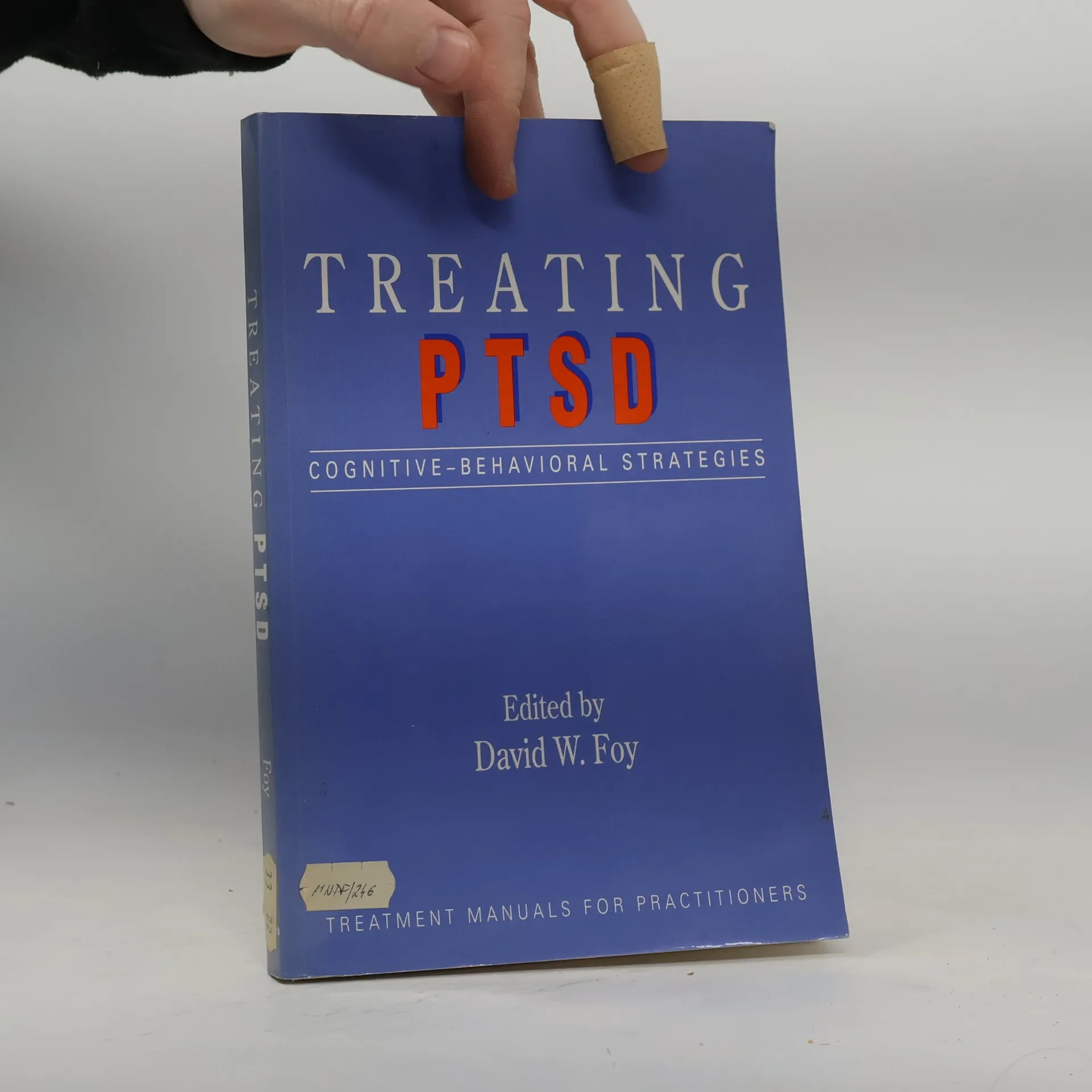
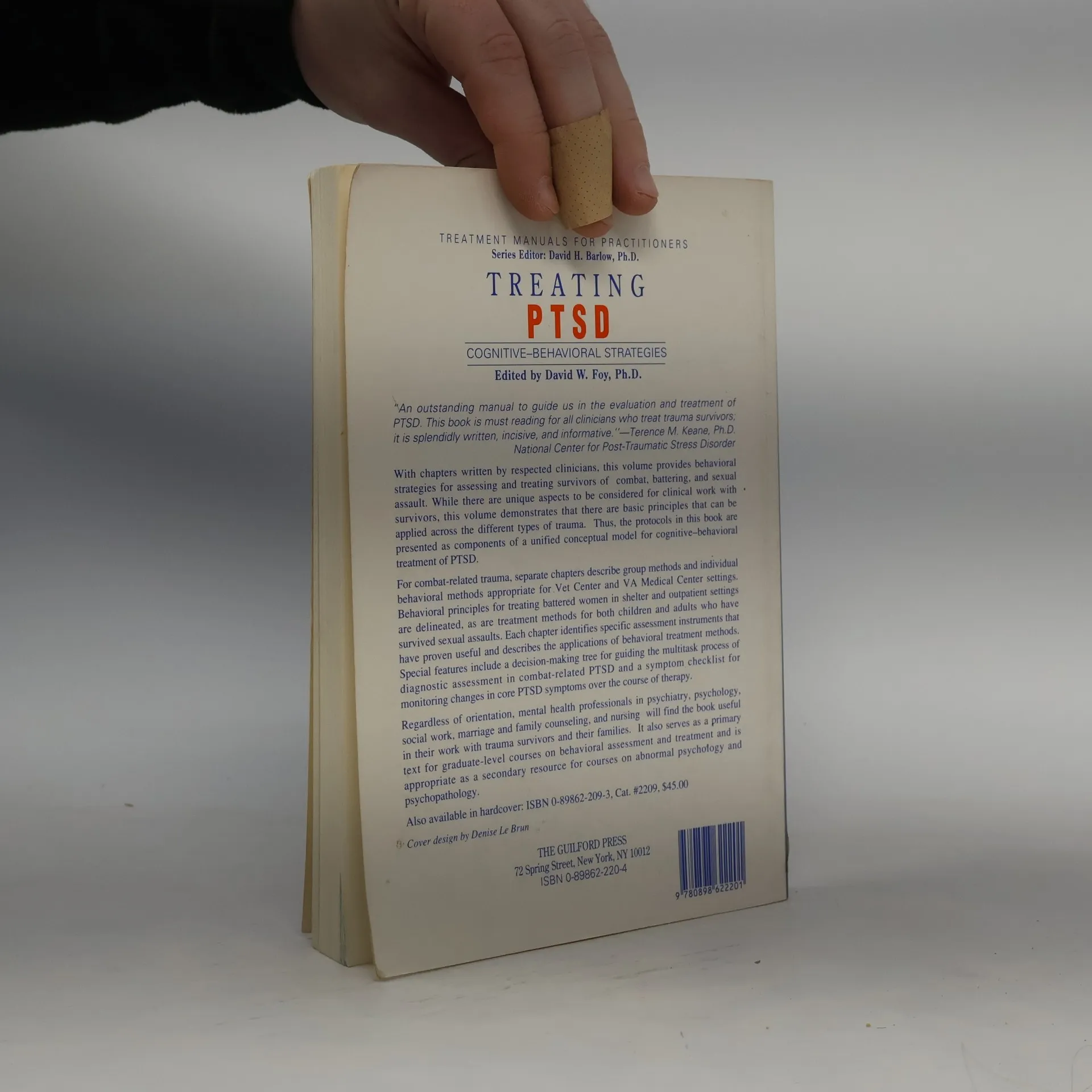
This book presents cognitive-behavioral treatment protocols for working with traumatized individuals and groups. While there are unique aspects to be considered for clinical work with survivors of different types of trauma, the volume demonstrates that that there are basic principles that can be applied across PTSD populations. Grounded in a unified conceptual model, behavioral strategies are outlined for assessing and treating combat veterans, battered women, and children and adults who have been sexually assaulted. In each chapter, specific assessment instruments that have proven useful are identified, and the applications of behavioral treatment methods are carefully described. Special features include a decision-making tree for guiding the process of diagnostic assessment in combat-related PTSD and a symptom checklist for monitoring changes in core PTSD symptoms over the course of therapy.
Zakup książki
Treating PTSD, David W. Foy
- Język

- Rok wydania
- 1992
- Oprawa
- (miękka)
Metody płatności
Brakuje nam tutaj Twojej recenzji.
- Tytuł
- Treating PTSD
- Podtytuł
- Cognitive-Behavioral Strategies
- Język
- angielski
- Autorzy
- David W. Foy
- Wydawca
- Guilford Press
- Rok wydania
- 1992
- Oprawa
- miękka
- Liczba stron
- 172
- ISBN10
- 0898622204
- ISBN13
- 9780898622201
- Seria
- Kategorie
- Tagi
- Tematyka psychologiczna, Poradniki, Tematyka medyczna, Serie, Psychoterapia, Psychiatria, Stres, Psychologia kliniczna
- Ocena
- 3,85 z 5
- Opis
- This book presents cognitive-behavioral treatment protocols for working with traumatized individuals and groups. While there are unique aspects to be considered for clinical work with survivors of different types of trauma, the volume demonstrates that that there are basic principles that can be applied across PTSD populations. Grounded in a unified conceptual model, behavioral strategies are outlined for assessing and treating combat veterans, battered women, and children and adults who have been sexually assaulted. In each chapter, specific assessment instruments that have proven useful are identified, and the applications of behavioral treatment methods are carefully described. Special features include a decision-making tree for guiding the process of diagnostic assessment in combat-related PTSD and a symptom checklist for monitoring changes in core PTSD symptoms over the course of therapy.