



Więcej o książce
Histories of American radical left groups are plentiful, covering the Communist Party, Trotskyist movements, and the New Left. However, little information exists about the contemporary radical left, which this book addresses. Many mistakenly believe that American radicalism vanished with the New Left's decline in the early 1970s. While the 1980s were challenging for radicals, with discredited ideologies and internal strife, history shows that such movements can rebound. Notably, Marxist-Leninist groups often wield influence disproportionate to their size. The first part examines the Communist Party of the United States, the largest Marxist-Leninist group, which has around 15,000 members and is experiencing growth. It also explores various front groups created by the party to engage broader support. The second part focuses on smaller, more militant Trotskyist, Maoist, and other Marxist-Leninist organizations, many with fewer than a thousand members, including offshoots of the New Left. The third part addresses organizations that operate independently of formal Marxist-Leninist ties but share similar objectives, particularly in their criticism of Israel and American foreign policy. The author argues that these far-left groups often support oppressive regimes and collaborate with those undermining democracy and intellectual freedom, distinguishing them from democratic socialists who reject Marxism-Leninism. This book provides a
Zakup książki
Far Left of Centre, Harvey Klehr
- Język

- Rok wydania
- 1988
- Oprawa
- (twarda)
Metody płatności
Brakuje nam tutaj Twojej recenzji.
- Tytuł
- Far Left of Centre
- Podtytuł
- American Radical Left Today
- Język
- angielski
- Autorzy
- Harvey Klehr
- Wydawca
- Routledge
- Rok wydania
- 1988
- Oprawa
- twarda
- Liczba stron
- 196
- ISBN10
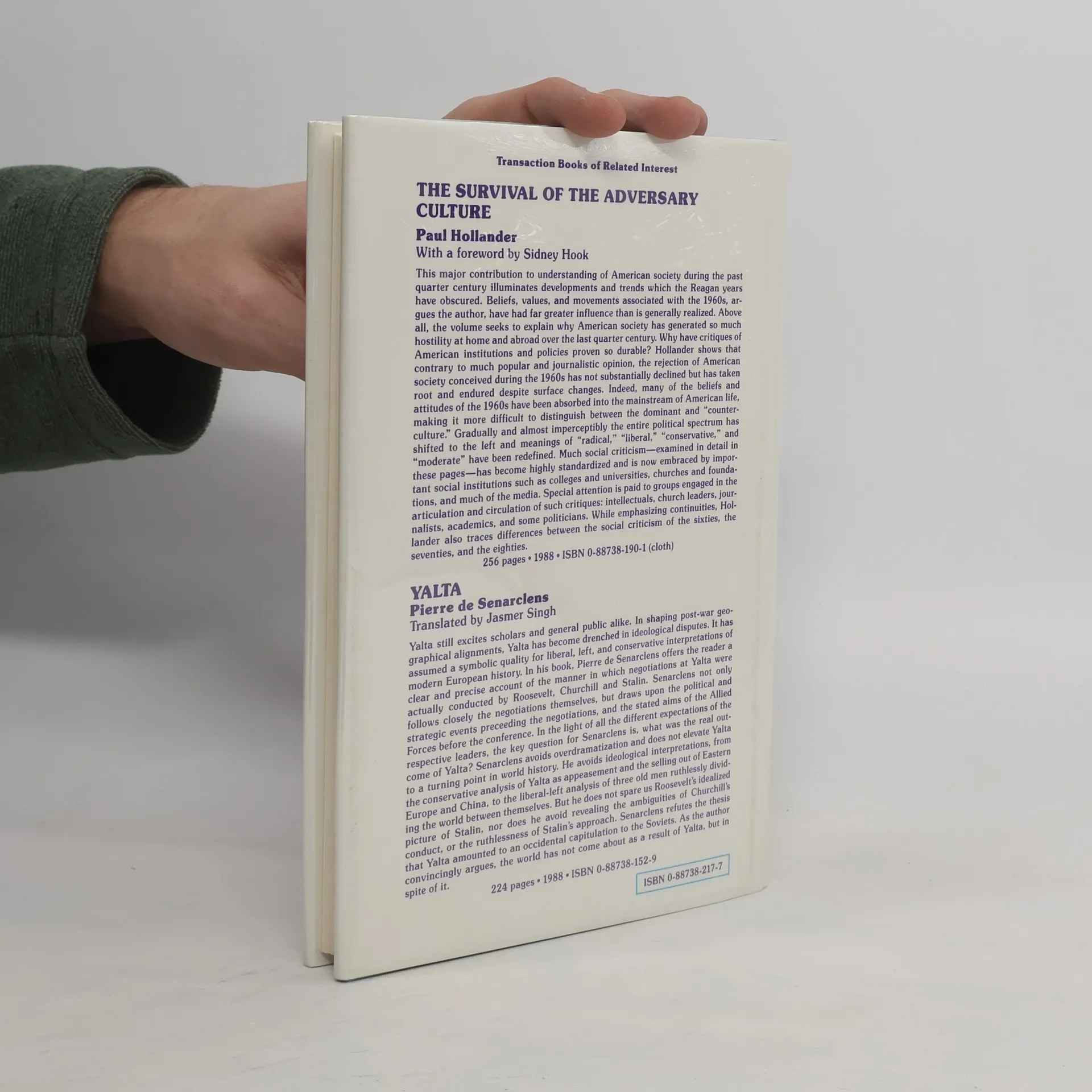
- 0887382177
- ISBN13
- 9780887382178
- Seria
- Tagi
- Polityka, USA, Teorie polityczne, Komunizm
- Ocena
- 3 z 5
- Opis
- Histories of American radical left groups are plentiful, covering the Communist Party, Trotskyist movements, and the New Left. However, little information exists about the contemporary radical left, which this book addresses. Many mistakenly believe that American radicalism vanished with the New Left's decline in the early 1970s. While the 1980s were challenging for radicals, with discredited ideologies and internal strife, history shows that such movements can rebound. Notably, Marxist-Leninist groups often wield influence disproportionate to their size. The first part examines the Communist Party of the United States, the largest Marxist-Leninist group, which has around 15,000 members and is experiencing growth. It also explores various front groups created by the party to engage broader support. The second part focuses on smaller, more militant Trotskyist, Maoist, and other Marxist-Leninist organizations, many with fewer than a thousand members, including offshoots of the New Left. The third part addresses organizations that operate independently of formal Marxist-Leninist ties but share similar objectives, particularly in their criticism of Israel and American foreign policy. The author argues that these far-left groups often support oppressive regimes and collaborate with those undermining democracy and intellectual freedom, distinguishing them from democratic socialists who reject Marxism-Leninism. This book provides a