



Więcej o książce
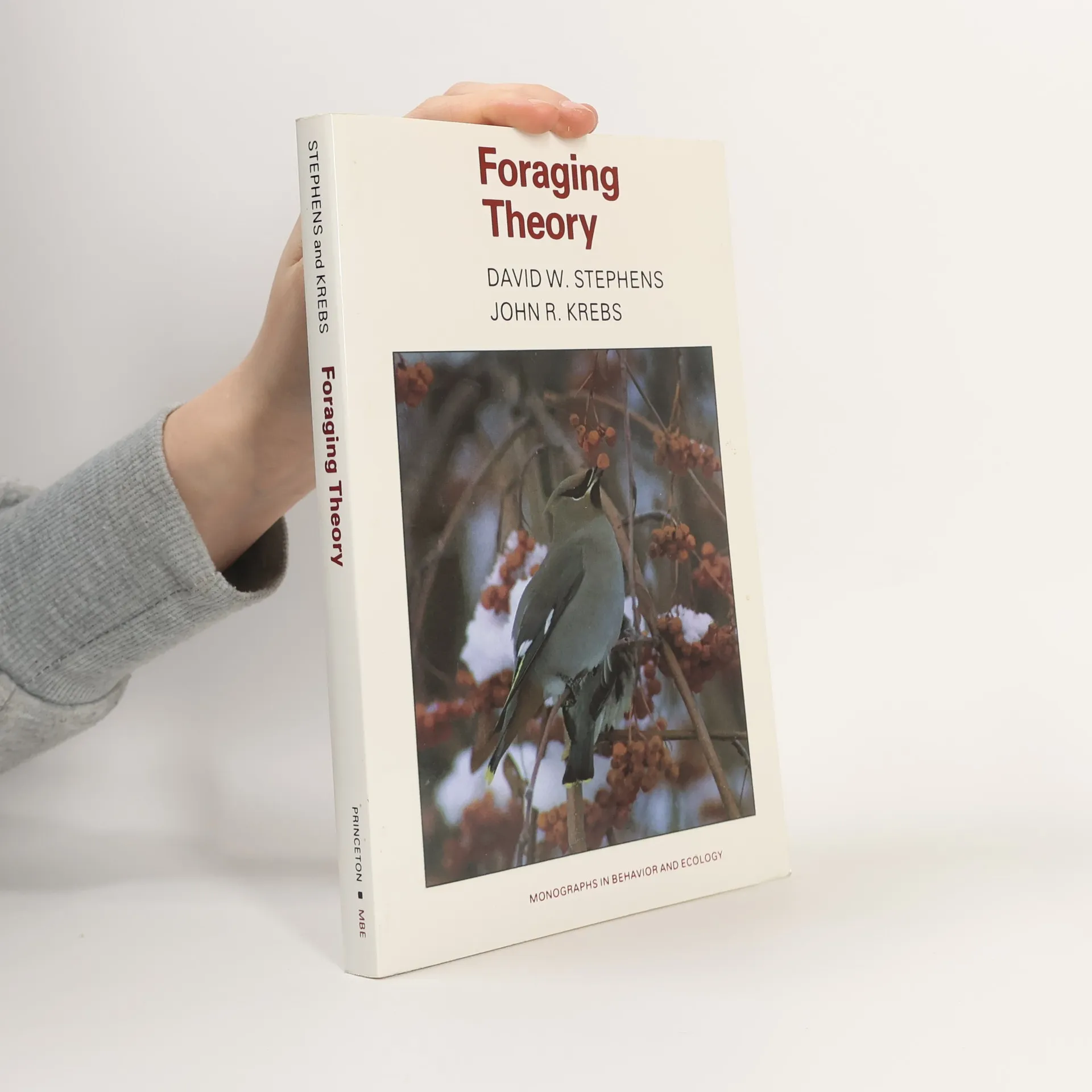
This account of the current state of foraging theory is also a valuable description of the use of optimality theory in behavioral ecology in general. Organizing and introducing the main research themes in economic analyses of animal feeding behavior, the authors analyze the empirical evidence bearing on foraging models and answer criticisms of optimality modeling. They explain the rationale for applying optimality models to the strategies and mechanics of foraging and present the basic "average-rate maximizing" models and their extensions.The work discusses new directions in foraging research: incorporating incomplete information and risk-sensitive behavior in foraging models; analyzing trade-offs, such as nutrient requirements and the threat of being eaten while foraging; formulating dynamic models; and building constrained optimization models that assume that foragers can use only simple "rules of thumb." As an analysis of these and earlier research developments and as a contribution to debates about the role of theory in evolutionary biology. Foraging Theory will appeal to a wide range of readers, from students to research professionals, in behavioral ecology, population and community ecology, animal behavior, and animal psychology, and especially to those planning empirical tests of foraging models.
Zakup książki
Foraging Theory, David W. Stephens, John R. Krebs
- Język

- Rok wydania
- 1986
- Oprawa
- (miękka)
Metody płatności
Brakuje nam tutaj Twojej recenzji.
- Tytuł
- Foraging Theory
- Język
- angielski
- Autorzy
- David W. Stephens, John R. Krebs
- Wydawca
- Princeton University Press
- Rok wydania
- 1986
- Oprawa
- miękka
- Liczba stron
- 262
- ISBN10
- 0691084424
- ISBN13
- 9780691084428
- Seria
- Kategorie
- Tagi
- Nauki przyrodnicze, Zwierzęta, Nauka, USA, Jedzenie, Tematy ekologiczne, Ewolucja, Zoologia, Genetyka, Liczenie, Ludność, Prawdopodobieństwo, Ekologia zwierząt, Holizm, Mimikra
- Ocena
- 4,15 z 5
- Opis
- This account of the current state of foraging theory is also a valuable description of the use of optimality theory in behavioral ecology in general. Organizing and introducing the main research themes in economic analyses of animal feeding behavior, the authors analyze the empirical evidence bearing on foraging models and answer criticisms of optimality modeling. They explain the rationale for applying optimality models to the strategies and mechanics of foraging and present the basic "average-rate maximizing" models and their extensions.The work discusses new directions in foraging research: incorporating incomplete information and risk-sensitive behavior in foraging models; analyzing trade-offs, such as nutrient requirements and the threat of being eaten while foraging; formulating dynamic models; and building constrained optimization models that assume that foragers can use only simple "rules of thumb." As an analysis of these and earlier research developments and as a contribution to debates about the role of theory in evolutionary biology. Foraging Theory will appeal to a wide range of readers, from students to research professionals, in behavioral ecology, population and community ecology, animal behavior, and animal psychology, and especially to those planning empirical tests of foraging models.