

Więcej o książce
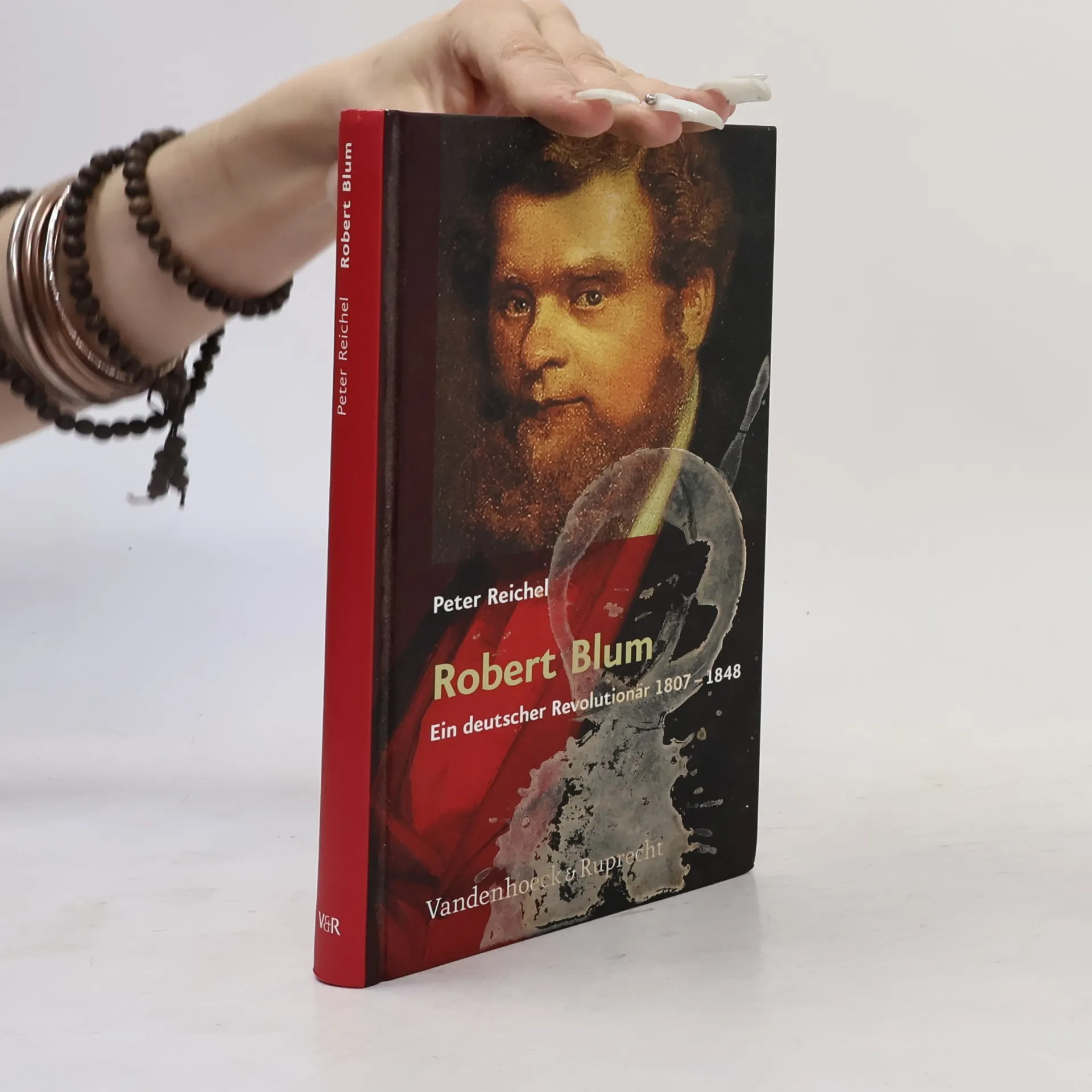
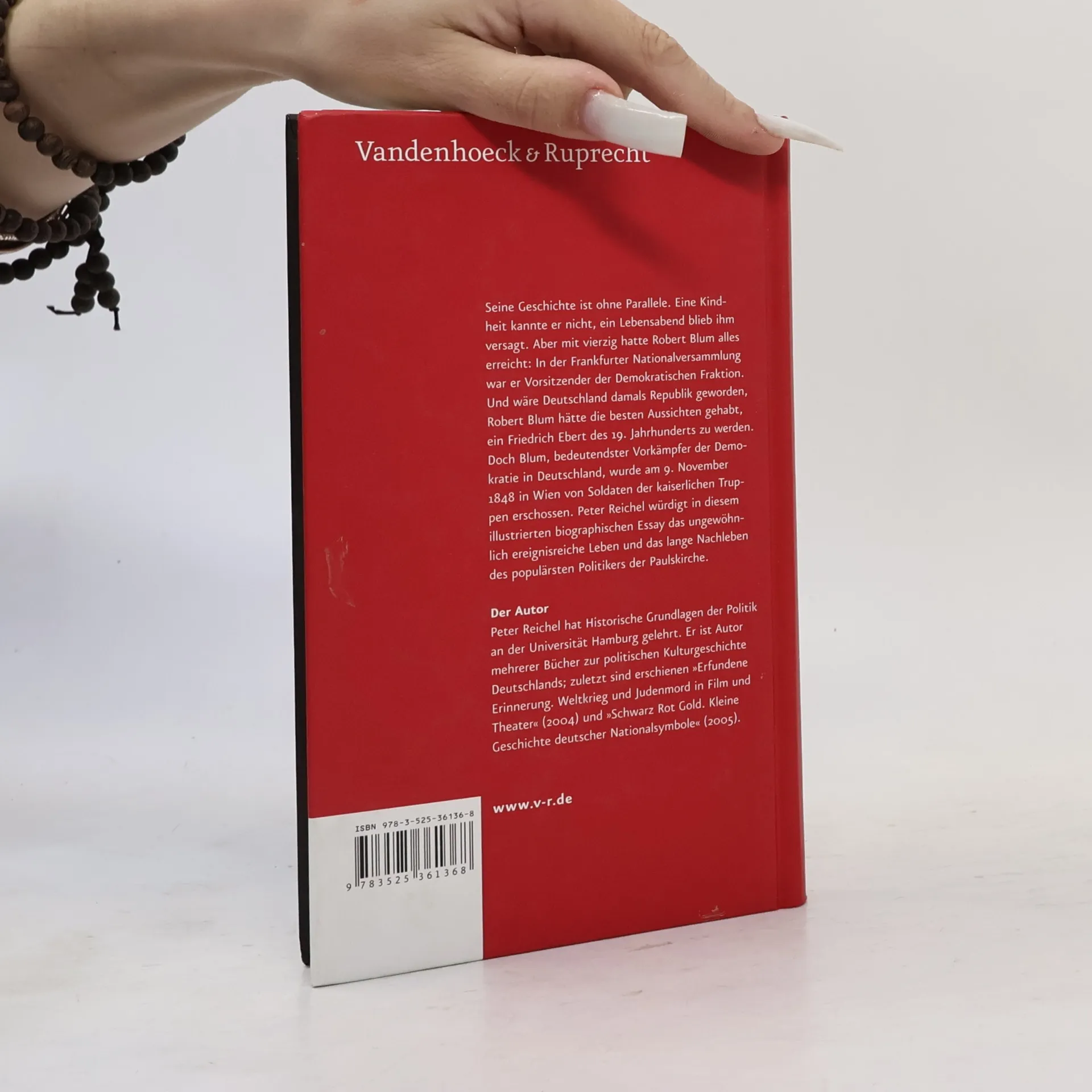
Shot like Robert Blum goes a saying. Born in 1807 in Cologne and raised in poverty, Blum became a key figure in German democracy after moving to Leipzig as a theatre secretary. Initially working as a journalist and organizer of political events, he gained prominence as a progressive leader. In 1846, he became a city official, and by May 1848, he was elected to the Federal Assembly in Frankfurt, quickly emerging as a leading voice for the left. His political career was cut short when he was arrested in Vienna amid counter-revolutionary threats and was executed on November 9, 1848. Blum's tragic death turned him into a martyr for democracy, celebrated by the 19th-century workers' movement as a pioneering figure. After World War II, the GDR attempted to claim Blum as a precursor to their ideology, but this was contested by West German President Gustav Heinemann, who sought justice for him. The rehabilitation of Blum's legacy continued, with political scientist Peter Reichel exploring his life in a biographical essay. Reichel, known for his works on German political culture, highlights Blum's significance, especially as his 200th anniversary was commemorated on November 9, 2007.
Zakup książki
Robert Blum, Peter Reichel
- Język

- Rok wydania
- 2007
- Oprawa
- (twarda),
- Stan książki
- Dobry
- Cena
- 24,83 zł
Metody płatności
Nikt jeszcze nie ocenił.
- Tytuł
- Robert Blum
- Podtytuł
- Ein deutscher Revolutionär 1807-1848
- Język
- niemiecki
- Autorzy
- Peter Reichel
- Wydawca
- Vandenhoeck & Ruprecht
- Rok wydania
- 2007
- Oprawa
- twarda
- Liczba stron
- 232
- ISBN10
- 352536136X
- ISBN13
- 9783525361368
- Seria
- Opis
- Shot like Robert Blum goes a saying. Born in 1807 in Cologne and raised in poverty, Blum became a key figure in German democracy after moving to Leipzig as a theatre secretary. Initially working as a journalist and organizer of political events, he gained prominence as a progressive leader. In 1846, he became a city official, and by May 1848, he was elected to the Federal Assembly in Frankfurt, quickly emerging as a leading voice for the left. His political career was cut short when he was arrested in Vienna amid counter-revolutionary threats and was executed on November 9, 1848. Blum's tragic death turned him into a martyr for democracy, celebrated by the 19th-century workers' movement as a pioneering figure. After World War II, the GDR attempted to claim Blum as a precursor to their ideology, but this was contested by West German President Gustav Heinemann, who sought justice for him. The rehabilitation of Blum's legacy continued, with political scientist Peter Reichel exploring his life in a biographical essay. Reichel, known for his works on German political culture, highlights Blum's significance, especially as his 200th anniversary was commemorated on November 9, 2007.