

Parametry
- 304 strony
- 11 godzin czytania
Więcej o książce
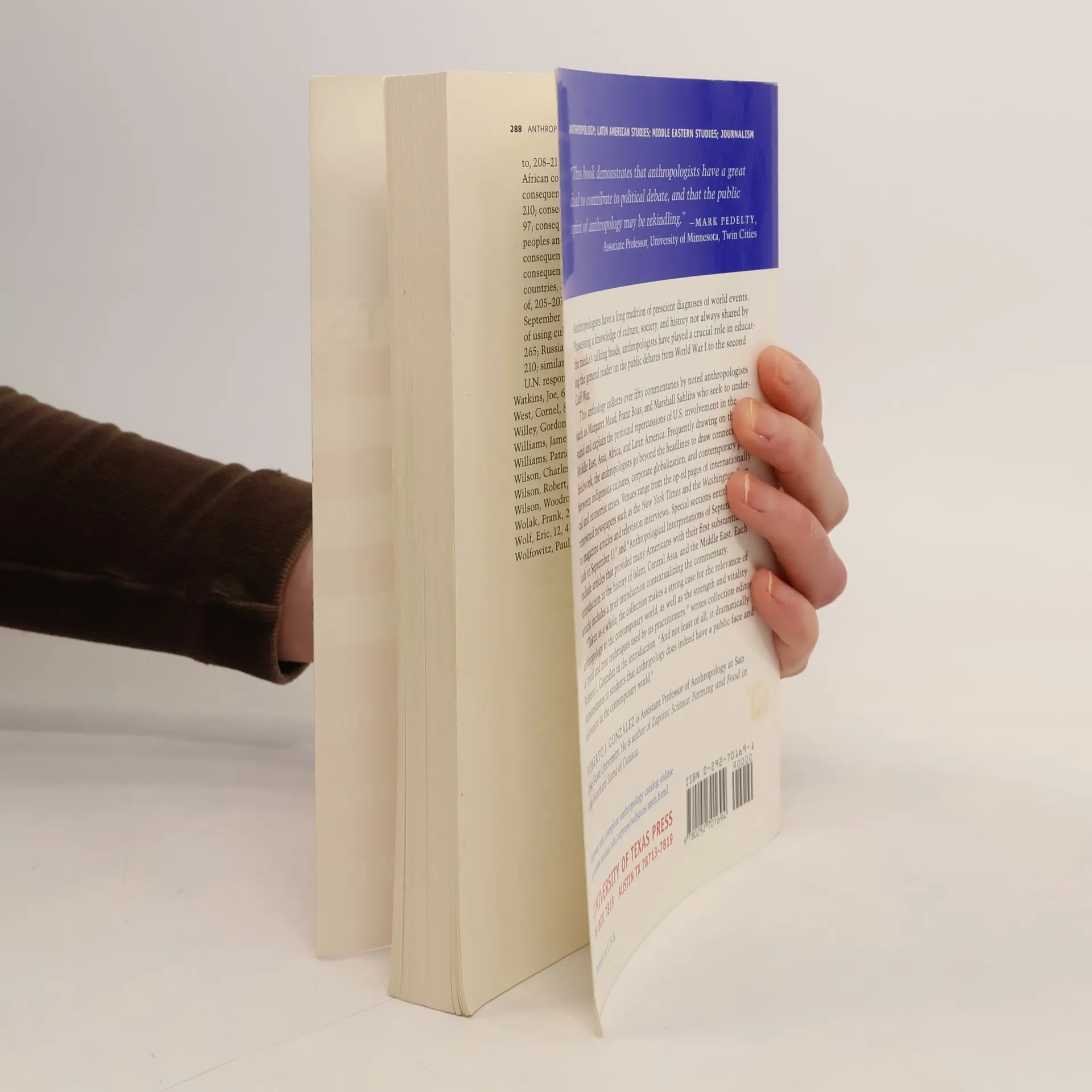
Anthropologists have a long tradition of prescient diagnoses of world events. Possessing a knowledge of culture, society, and history not always shared by the media's talking heads, anthropologists have played a crucial role in educating the general reader on the public debates from World War I to the second Gulf War. This anthology collects over fifty commentaries by noted anthropologists such as Margaret Mead, Franz Boas, and Marshall Sahlins who seek to understand and explain the profound repercussions of U.S. involvement in the Middle East, Asia, Africa, and Latin America. Frequently drawing on their own fieldwork, the anthropologists go beyond the headlines to draw connections between indigenous cultures, corporate globalization, and contemporary political and economic crises. Venues range from the op-ed pages of internationally renowned newspapers such as the New York Times and the Washington Post to magazine articles and television interviews. Special sections entitled "Prelude to September 11" and "Anthropological Interpretations of September 11" include articles that provided many Americans with their first substantial introduction to the history of Islam, Central Asia, and the Middle East. Each article includes a brief introduction contextualizing the commentary.
Zakup książki
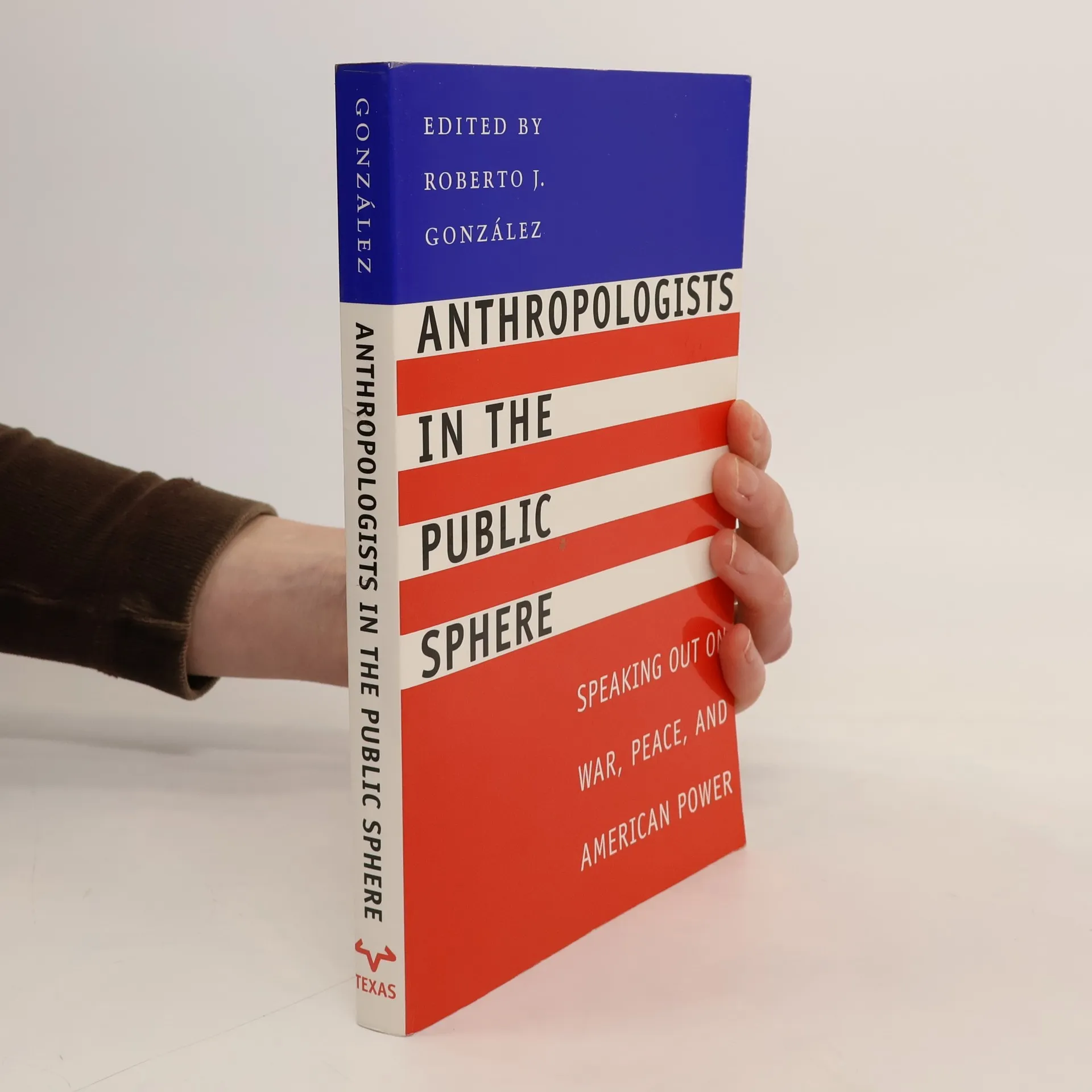
Anthropologists in the Public Sphere, Roberto J. González-Casanovas
- Język

- Rok wydania
- 2004
- Oprawa
- (miękka)
Metody płatności
Brakuje nam tutaj Twojej recenzji.
- Tytuł
- Anthropologists in the Public Sphere
- Podtytuł
- Speaking Out on War, Peace, and American Power
- Język
- angielski
- Wydawca
- University of Texas Press
- Rok wydania
- 2004
- Oprawa
- miękka
- Liczba stron
- 304
- ISBN10
- 0292701691
- ISBN13
- 9780292701694
- Seria
- Kategorie
- Tagi
- Tematyka filozoficzna, Polityka, USA, Teorie polityczne, Stosunki międzynarodowe, Pokój, Wojna i społeczeństwo, Antropologia polityczna
- Ocena
- 3,25 z 5
- Opis
- Anthropologists have a long tradition of prescient diagnoses of world events. Possessing a knowledge of culture, society, and history not always shared by the media's talking heads, anthropologists have played a crucial role in educating the general reader on the public debates from World War I to the second Gulf War. This anthology collects over fifty commentaries by noted anthropologists such as Margaret Mead, Franz Boas, and Marshall Sahlins who seek to understand and explain the profound repercussions of U.S. involvement in the Middle East, Asia, Africa, and Latin America. Frequently drawing on their own fieldwork, the anthropologists go beyond the headlines to draw connections between indigenous cultures, corporate globalization, and contemporary political and economic crises. Venues range from the op-ed pages of internationally renowned newspapers such as the New York Times and the Washington Post to magazine articles and television interviews. Special sections entitled "Prelude to September 11" and "Anthropological Interpretations of September 11" include articles that provided many Americans with their first substantial introduction to the history of Islam, Central Asia, and the Middle East. Each article includes a brief introduction contextualizing the commentary.