

Ocena książki
Więcej o książce
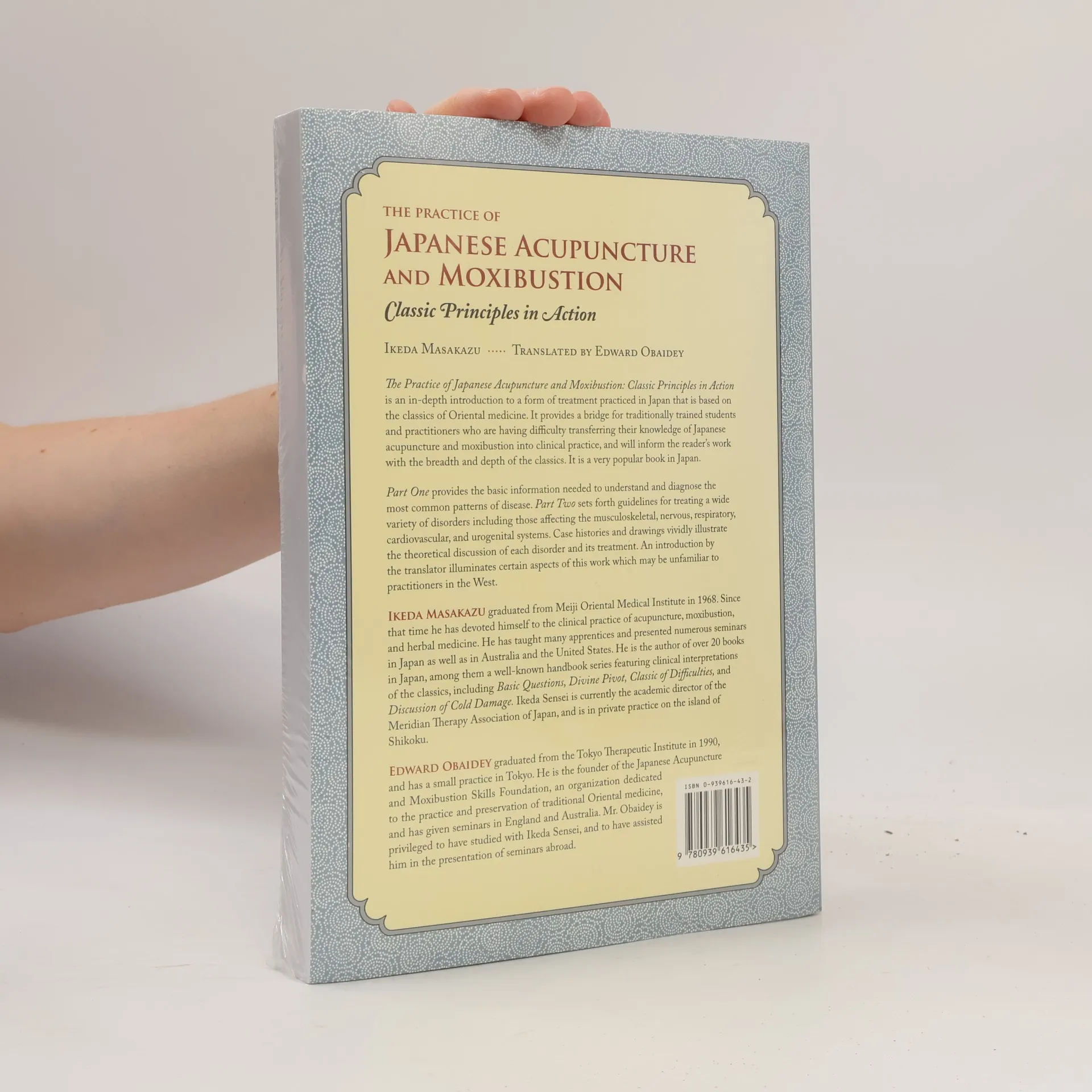
The Practice of Japanese Acupuncture and Classic Principles in Action is an in-depth introduction to a form of treatment practiced in Japan that is based on the classics of Oriental medicine. It provides a bridge for traditionally trained students and practitioners who are having difficulty transferring their knowledge of Japanese acupuncture and moxibustion into clinical practice, and will inform the reader’s work with the breadth and depth of the classics. It is a very popular book in Japan. Part One provides the basic information needed to understand and diagnose the most common patterns of disease. Part Two sets forth guidelines for treating a wide variety of disorders including those affecting the musculoskeletal, nervous, respiratory, cardiovascular, and urogenital systems. Case histories and drawings vividly illustrate the theoretical discussion of each disorder and its treatment. An introduction by the translator illuminates certain aspects of this work which may be unfamiliar to students in the West.
Zakup książki
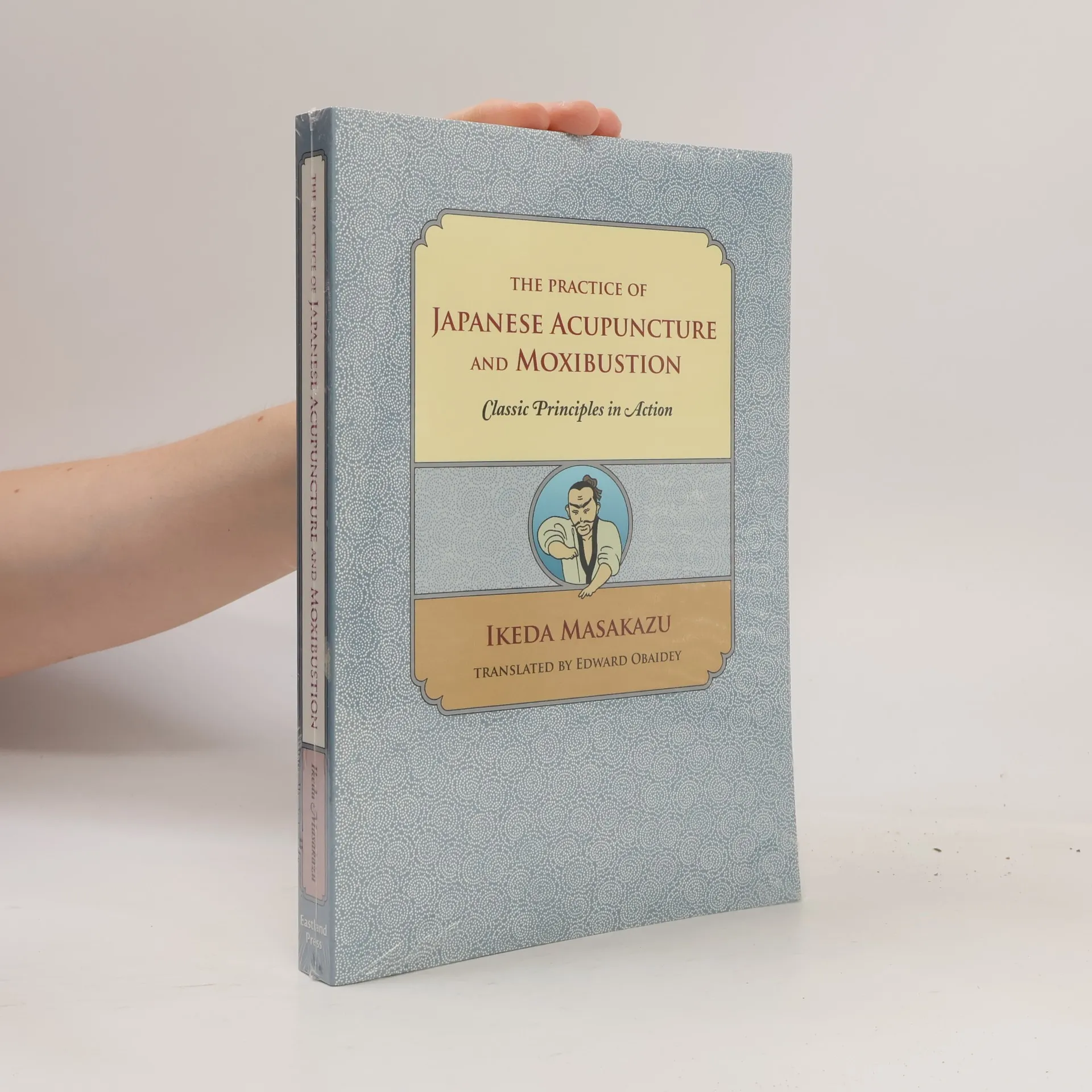
The Practice of Japanese Acupuncture and Moxibustion, Masakazu Ikeda, Edward Obaidey
- Język

- Rok wydania
- 2005
- Oprawa
- (miękka)
Metody płatności
Brakuje nam tutaj Twojej recenzji.
- Tytuł
- The Practice of Japanese Acupuncture and Moxibustion
- Podtytuł
- Classic Principles in Action
- Język
- angielski
- Autorzy
- Masakazu Ikeda, Edward Obaidey
- Wydawca
- Eastland Press
- Rok wydania
- 2005
- Oprawa
- miękka
- Liczba stron
- 319
- ISBN10
- 0939616432
- ISBN13
- 9780939616435
- Seria
- Ocena
- 4 z 5
- Opis
- The Practice of Japanese Acupuncture and Classic Principles in Action is an in-depth introduction to a form of treatment practiced in Japan that is based on the classics of Oriental medicine. It provides a bridge for traditionally trained students and practitioners who are having difficulty transferring their knowledge of Japanese acupuncture and moxibustion into clinical practice, and will inform the reader’s work with the breadth and depth of the classics. It is a very popular book in Japan. Part One provides the basic information needed to understand and diagnose the most common patterns of disease. Part Two sets forth guidelines for treating a wide variety of disorders including those affecting the musculoskeletal, nervous, respiratory, cardiovascular, and urogenital systems. Case histories and drawings vividly illustrate the theoretical discussion of each disorder and its treatment. An introduction by the translator illuminates certain aspects of this work which may be unfamiliar to students in the West.