

Więcej o książce
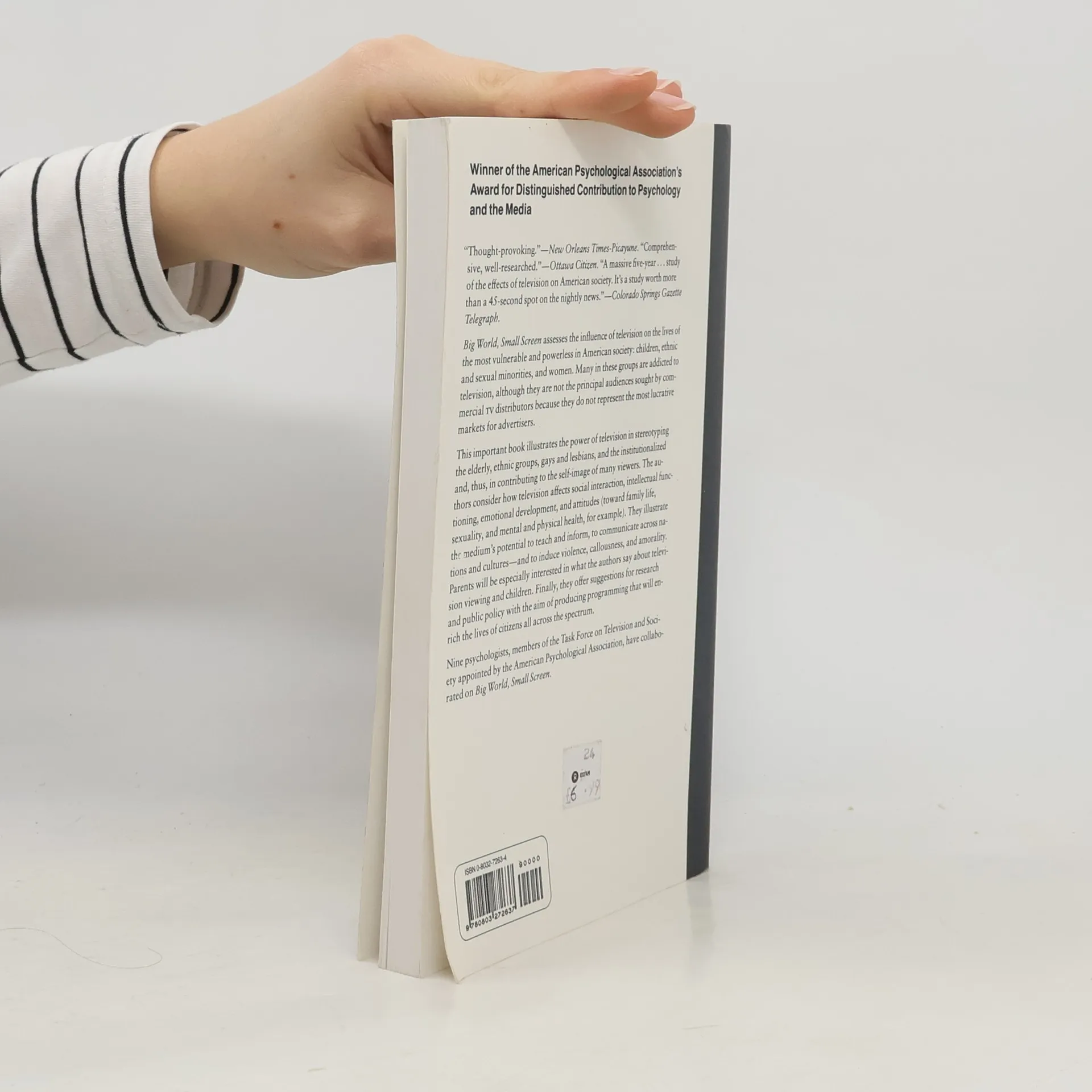
Big World, Small Screen assesses the influence of television on the lives of the most vulnerable and powerless in American children, ethnic and sexual minorities, and women. Many in these groups are addicted to television, although they are not the principal audiences sought by commercial TV distributors because they are not the most lucrative markets for advertisers. This important book illustrates the power of television in stereotyping the elderly, ethnic groups, gays and lesbians, and the institutionalized and, thus, in contributing to the self-image of many viewers. They go on to consider how television affects social interaction, intellectual functioning, emotional development, and attitudes (toward family life, sexuality, and mental and physical health, for example). They illustrate the medium's potential to teach and inform, to communicate across nations and cultures—and to induce violence, callousness, and amorality. Parents will be especially interested in what they say about television viewing and children. Finally, they offer suggestions for research and public policy with the aim of producing programming that will enrich the lives of citizens all across the spectrum. Nine psychologists, members of the Task Force on Television and Society appointed by the American Psychological Association, have collaborated on Big World, Small Screen .
Zakup książki
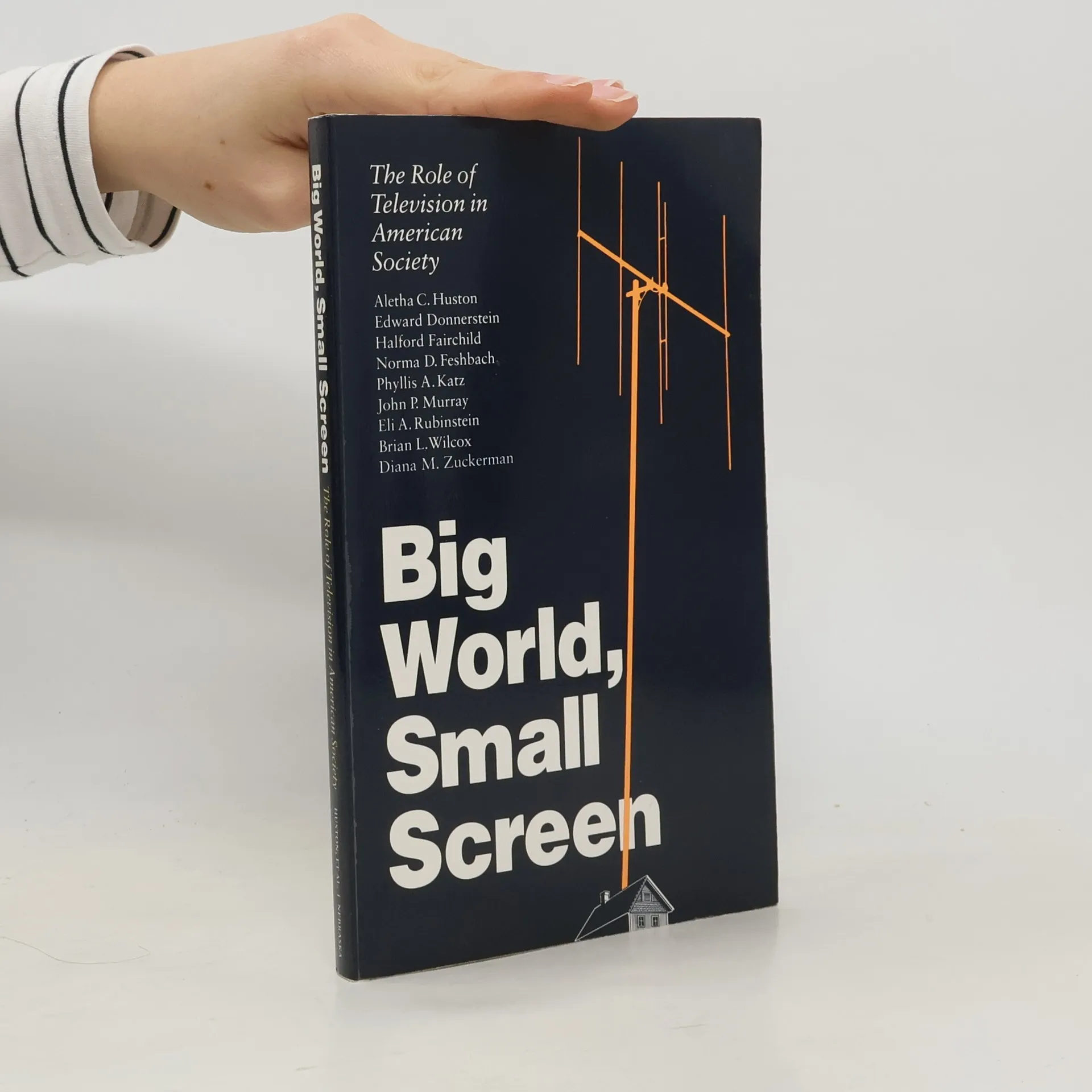
Big World, Small Screen, Aletha C. Huston, Edward I. Donnerstein, Halford H. Fairchild, Norma D. Feshbach, Phyllis A. Katz, John P. Murray, Eli A. Rubinstein, Brian L. Wilcox, Diana M. Zuckerman
- Język

- Rok wydania
- 1992
- Oprawa
- (miękka)
Metody płatności
Brakuje nam tutaj Twojej recenzji.
- Tytuł
- Big World, Small Screen
- Podtytuł
- The Role of Television in American Society
- Język
- angielski
- Autorzy
- Aletha C. Huston, Edward I. Donnerstein, Halford H. Fairchild, Norma D. Feshbach, Phyllis A. Katz, John P. Murray, Eli A. Rubinstein, Brian L. Wilcox, Diana M. Zuckerman
- Wydawca
- University of Nebraska Press
- Rok wydania
- 1992
- Oprawa
- miękka
- Liczba stron
- 196
- ISBN10
- 0803272634
- ISBN13
- 9780803272637
- Seria
- Tagi
- Poradniki, USA, Relacje, Tematyka filmowa, Literatura fachowa, Media & Komunikacja medialna, Telewizja, Sztuki performatywne
- Ocena
- 3,5 z 5
- Opis
- Big World, Small Screen assesses the influence of television on the lives of the most vulnerable and powerless in American children, ethnic and sexual minorities, and women. Many in these groups are addicted to television, although they are not the principal audiences sought by commercial TV distributors because they are not the most lucrative markets for advertisers. This important book illustrates the power of television in stereotyping the elderly, ethnic groups, gays and lesbians, and the institutionalized and, thus, in contributing to the self-image of many viewers. They go on to consider how television affects social interaction, intellectual functioning, emotional development, and attitudes (toward family life, sexuality, and mental and physical health, for example). They illustrate the medium's potential to teach and inform, to communicate across nations and cultures—and to induce violence, callousness, and amorality. Parents will be especially interested in what they say about television viewing and children. Finally, they offer suggestions for research and public policy with the aim of producing programming that will enrich the lives of citizens all across the spectrum. Nine psychologists, members of the Task Force on Television and Society appointed by the American Psychological Association, have collaborated on Big World, Small Screen .