

Więcej o książce
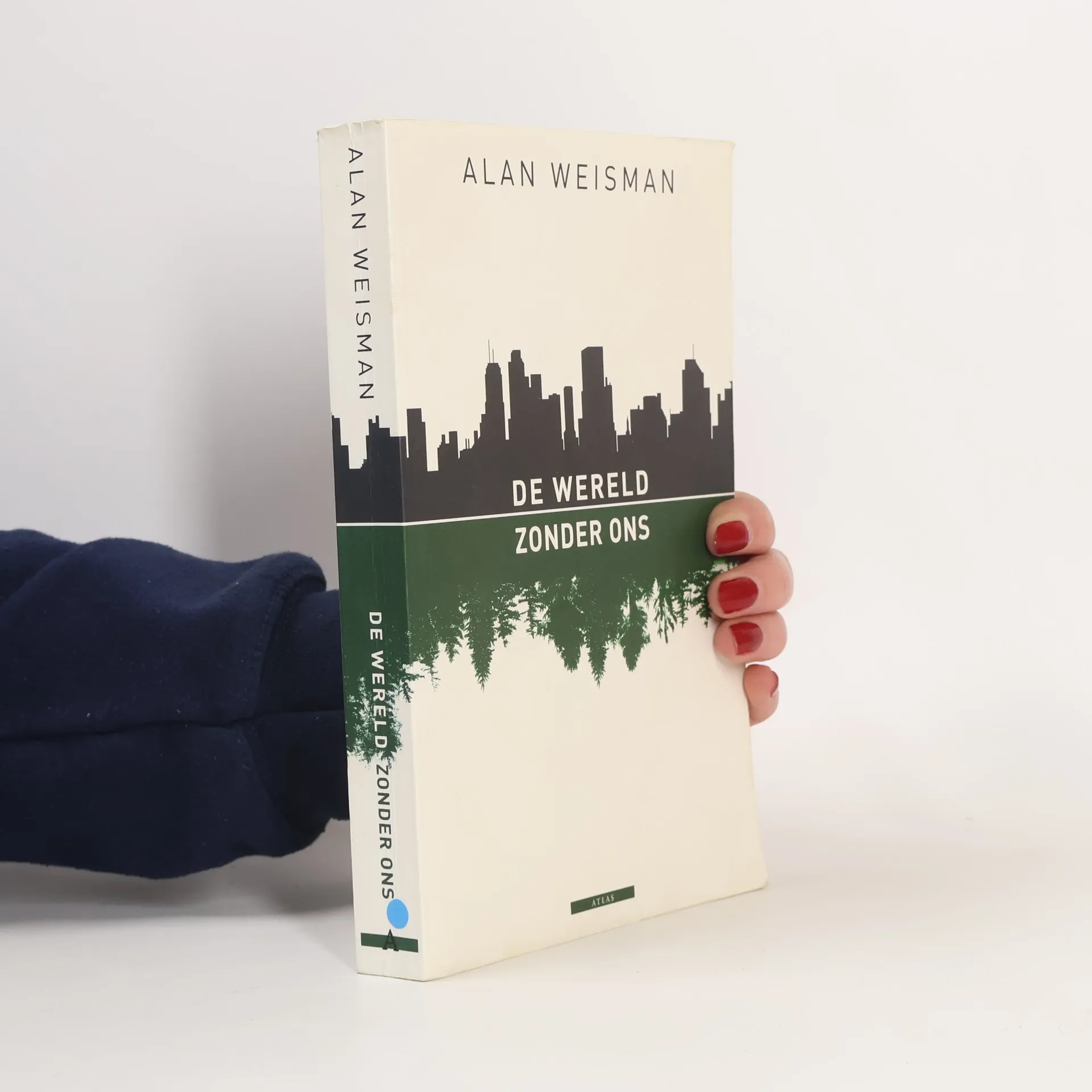
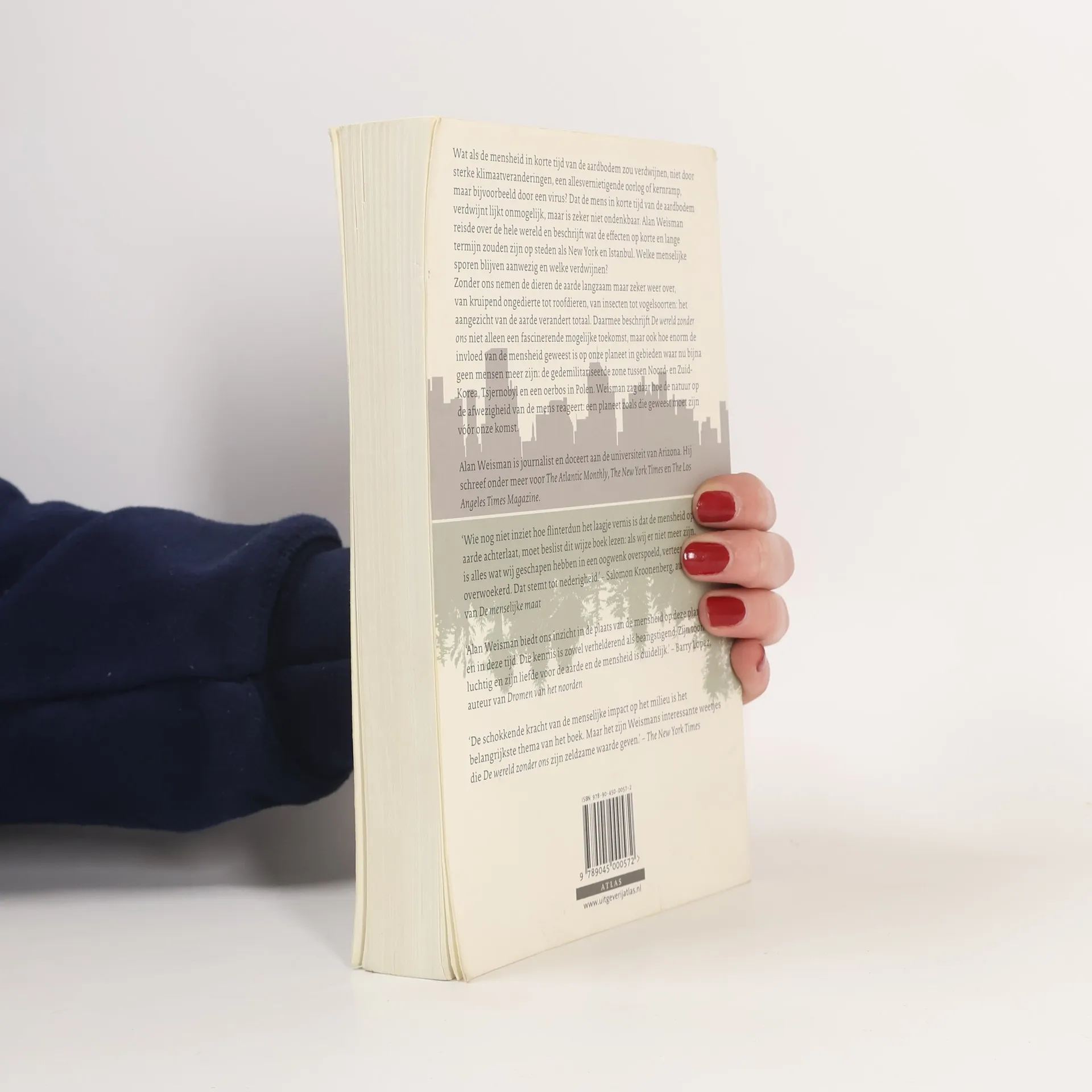
A penetrating, page-turning tour of a post-human Earth, this narrative offers an original perspective on humanity's impact by envisioning a world without us. It explores how our vast infrastructure would collapse and disappear, which everyday items could become fossils, and how materials like copper would transform into rock. The text discusses the potential longevity of some of our earliest buildings, alongside the enduring presence of plastic and certain man-made molecules. Weisman illustrates how, just days after human disappearance, floods would begin eroding New York's subways, and as cities crumble, nature would reclaim urban spaces. The narrative highlights the different ways organic and chemically treated farms would revert to wilderness, the flourishing of bird populations, and the fate of cockroaches in unheated environments. Drawing on insights from various experts, including engineers and paleontologists, Weisman paints a vivid picture of a planet that could thrive without humanity. He examines locations already free of human presence, revealing Earth's remarkable ability to heal. Ultimately, the narrative suggests a radical yet persuasive solution that doesn't rely on our extinction, offering a unique exploration of our environmental impact in an engaging and thought-provoking manner.
Zakup książki
De wereld zonder ons / druk 1, Alan Weisman
- Język

- Rok wydania
- 2007
- Oprawa
- (miękka)
Metody płatności
Brakuje nam tutaj Twojej recenzji.
- Tytuł
- De wereld zonder ons / druk 1
- Język
- holenderski
- Autorzy
- Alan Weisman
- Wydawca
- Amstel Uitgevers
- Rok wydania
- 2007
- Oprawa
- miękka
- Liczba stron
- 360
- ISBN10
- 9045000571
- ISBN13
- 9789045000572
- Seria
- Ocena
- 3,6 z 5
- Opis
- A penetrating, page-turning tour of a post-human Earth, this narrative offers an original perspective on humanity's impact by envisioning a world without us. It explores how our vast infrastructure would collapse and disappear, which everyday items could become fossils, and how materials like copper would transform into rock. The text discusses the potential longevity of some of our earliest buildings, alongside the enduring presence of plastic and certain man-made molecules. Weisman illustrates how, just days after human disappearance, floods would begin eroding New York's subways, and as cities crumble, nature would reclaim urban spaces. The narrative highlights the different ways organic and chemically treated farms would revert to wilderness, the flourishing of bird populations, and the fate of cockroaches in unheated environments. Drawing on insights from various experts, including engineers and paleontologists, Weisman paints a vivid picture of a planet that could thrive without humanity. He examines locations already free of human presence, revealing Earth's remarkable ability to heal. Ultimately, the narrative suggests a radical yet persuasive solution that doesn't rely on our extinction, offering a unique exploration of our environmental impact in an engaging and thought-provoking manner.