

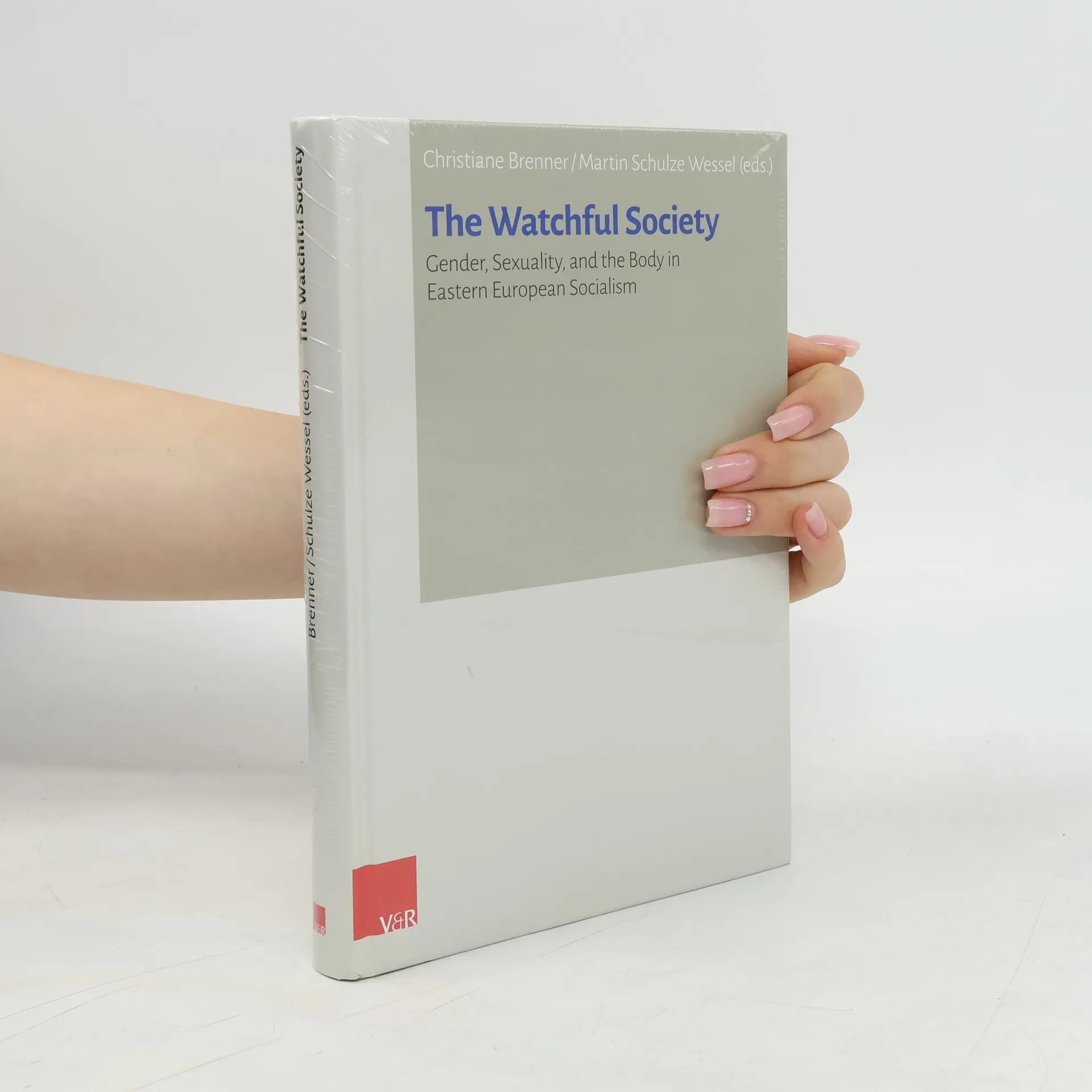

Więcej o książce
This volume aims to depict the regimes of vigilance about love, sex, and the body in Eastern European socialist states. Case studies from Czechoslovakia, Poland, East Germany, Hungary, Yugoslavia, and Albania analyze the enforcement of new gender orders and the so-called socialist morality after the Second World War. On the one hand, the arguments and language used to implement this new morality and encourage the population to embrace it are analyzed. On the other hand, the authors explore how this ideal developed over the long term and ask how the boundaries between public and private shifted over time in relation to romantic relationships and sex. What did the state see, or rather, what did the people who were watchful on behalf of socialism see? What was overlooked? Where did state authorities intervene and where did they hold back? The individual contributions highlight major differences regarding socialist morality in Eastern Europe and the varying ways the collective monitored it. However, similar patterns and lines of development can also be seen in the lead-up to and the period after the fall of socialism.
Zakup książki
Bad Wiesseer Tagungen des Collegium Carolinum: The Watchful Society, Christiane Brenner, Martin Schulze Wessel
- Język

- Rok wydania
- 2025
- Oprawa
- (twarda)
Metody płatności
Nikt jeszcze nie ocenił.
- Tytuł
- Bad Wiesseer Tagungen des Collegium Carolinum: The Watchful Society
- Podtytuł
- Gender, Sexuality, and the Body in Eastern European Socialism
- Język
- angielski
- Wydawca
- Vandenhoeck & Ruprecht
- Rok wydania
- 2025
- Oprawa
- twarda
- ISBN10
- 3525373198
- ISBN13
- 9783525373194
- Seria
- Opis
- This volume aims to depict the regimes of vigilance about love, sex, and the body in Eastern European socialist states. Case studies from Czechoslovakia, Poland, East Germany, Hungary, Yugoslavia, and Albania analyze the enforcement of new gender orders and the so-called socialist morality after the Second World War. On the one hand, the arguments and language used to implement this new morality and encourage the population to embrace it are analyzed. On the other hand, the authors explore how this ideal developed over the long term and ask how the boundaries between public and private shifted over time in relation to romantic relationships and sex. What did the state see, or rather, what did the people who were watchful on behalf of socialism see? What was overlooked? Where did state authorities intervene and where did they hold back? The individual contributions highlight major differences regarding socialist morality in Eastern Europe and the varying ways the collective monitored it. However, similar patterns and lines of development can also be seen in the lead-up to and the period after the fall of socialism.