

Więcej o książce
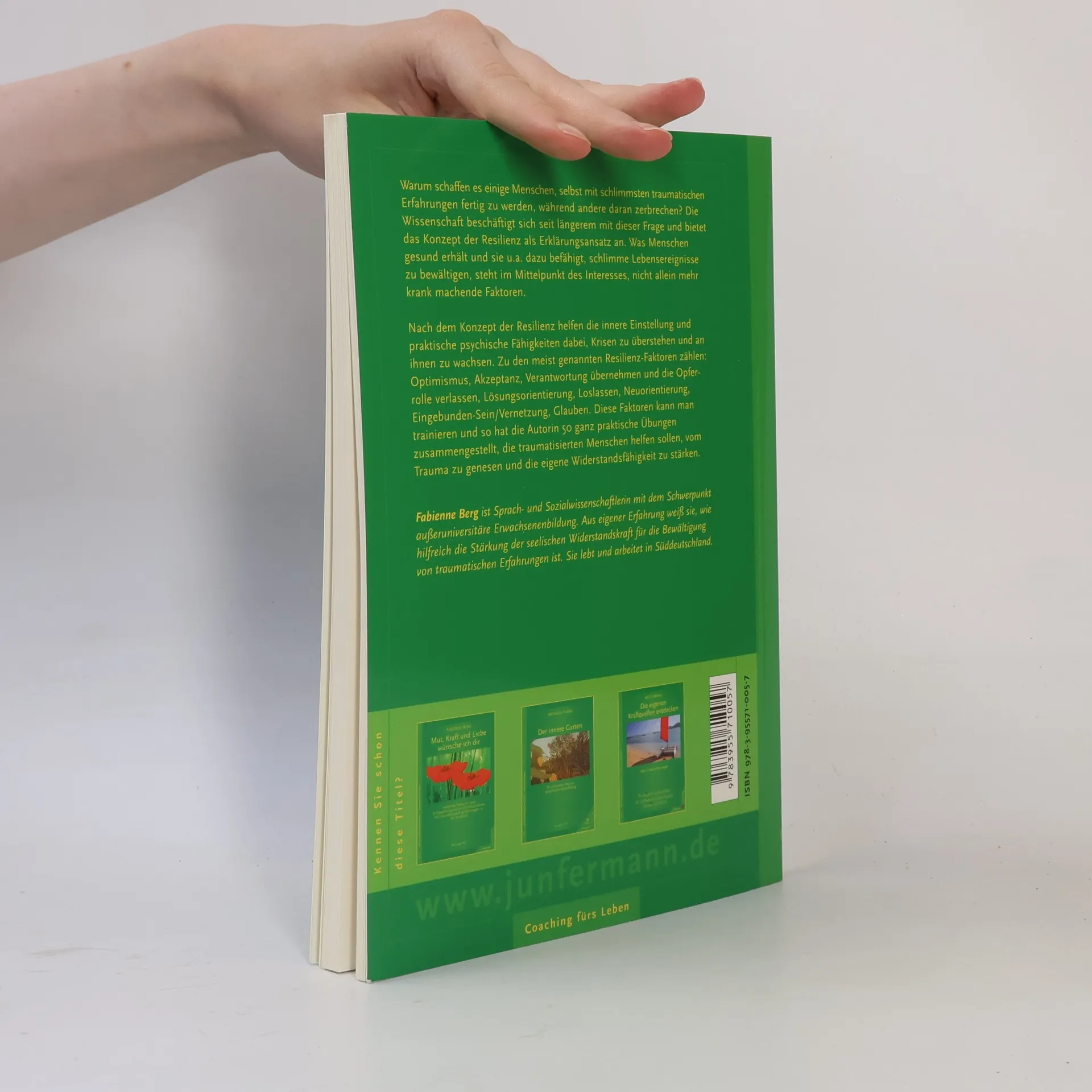
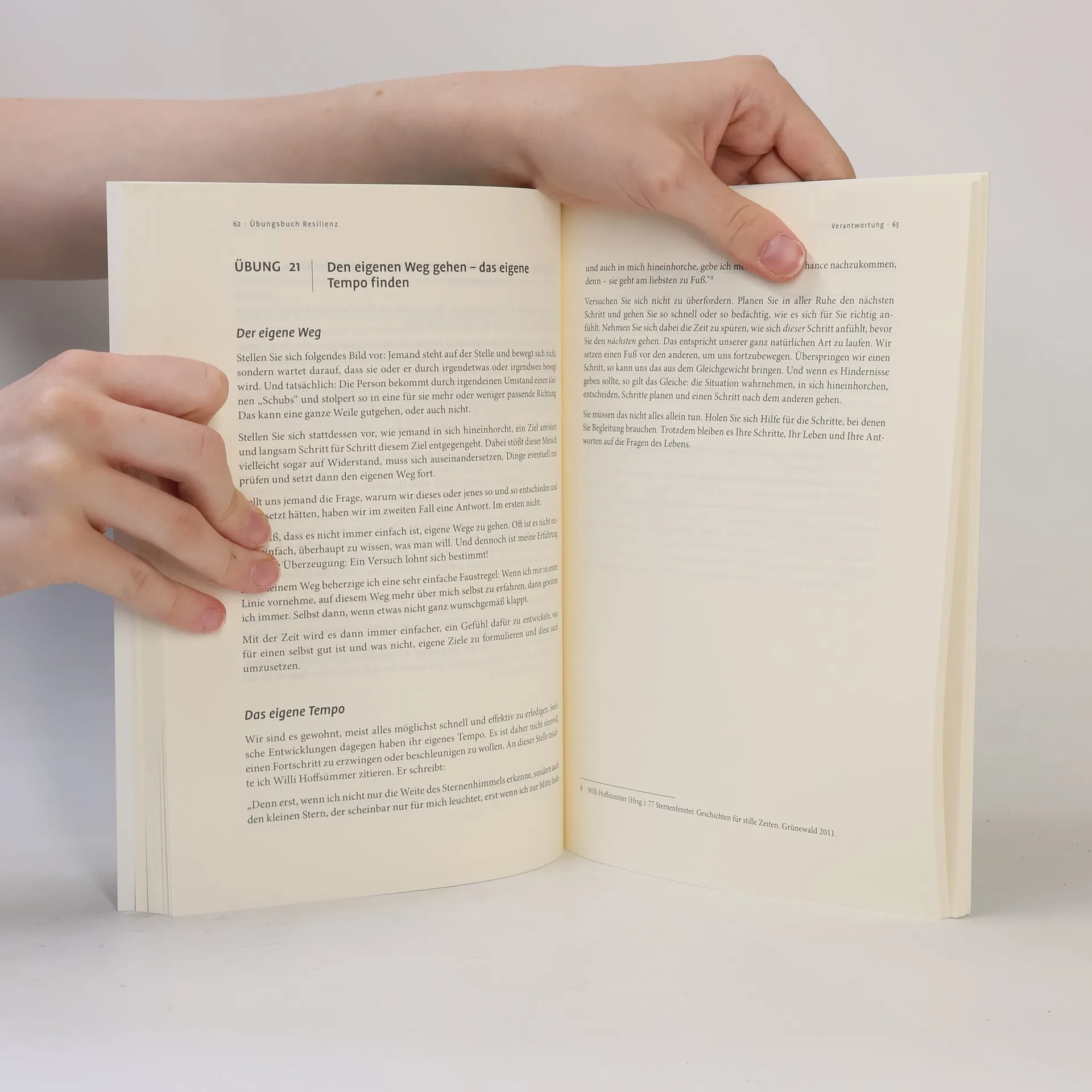
Written in German Why do some people manage to cope with even the worst traumatic experiences while others are breaking up Science has also been dealing with this question for a long time and offers the concept of resilience as an explanatory approach. What keeps people healthy and they u.a. Being empowered to cope with bad life events is at the center of attention, not just more disabling factors. According to the concept of resilience, inner attitudes and practical psychic abilities help to survive and grow on crises. The most frequently cited resilience factors include optimism, acceptance, accepting responsibility and abandoning victimhood, solution orientation, letting go, reorientation, being integrated / connected, faith. These factors can be trained and so the author has put together 50 very practical exercises to help traumatized people to recover from the trauma and strengthen their own resilience.
Zakup książki
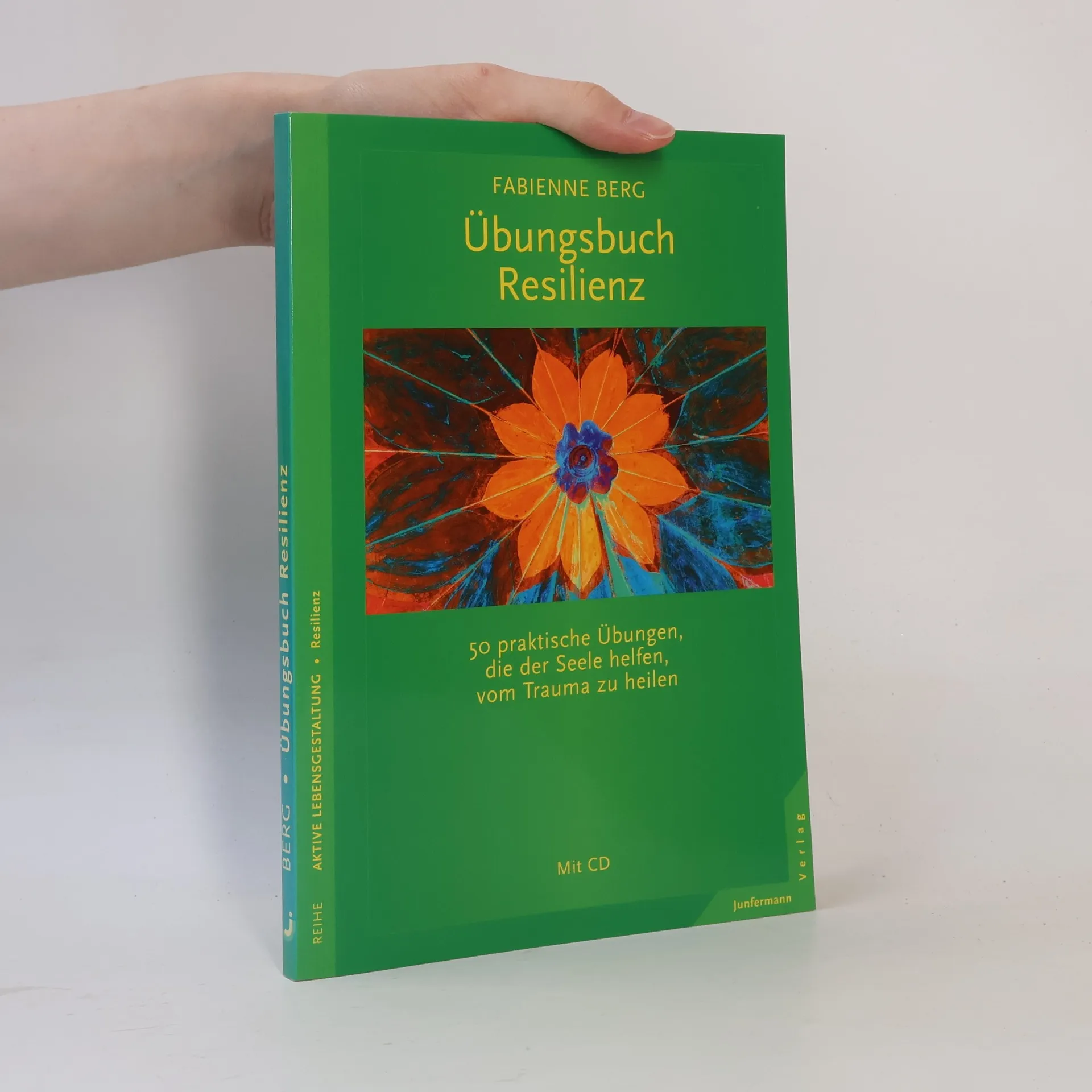
Übungsbuch Resilienz, Fabienne Berg
- Język

- Rok wydania
- 2014
- Oprawa
- (miękka)
Metody płatności
Nikt jeszcze nie ocenił.
- Tytuł
- Übungsbuch Resilienz
- Podtytuł
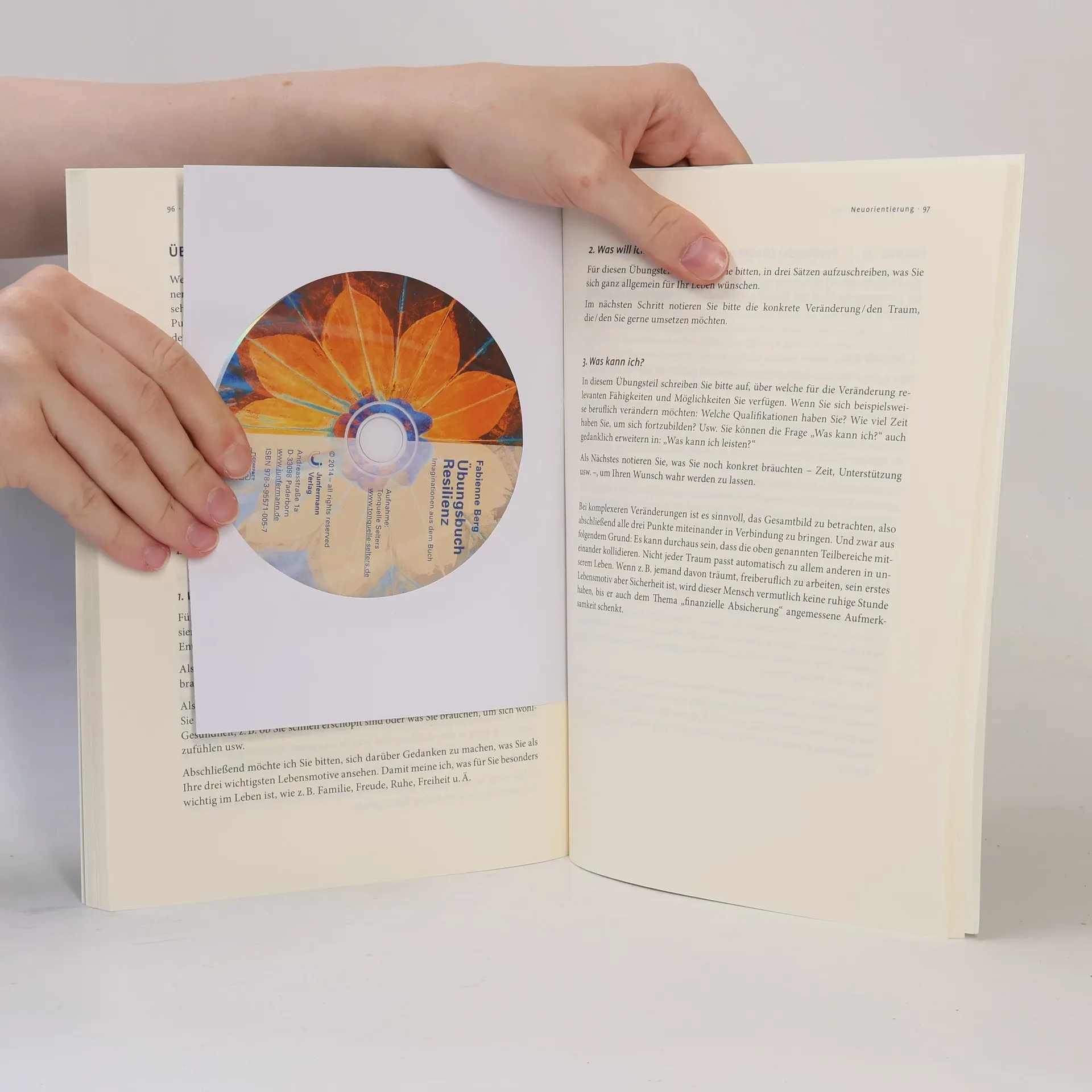
- 50 praktische Übungen, die der Seele helfen, vom Trauma zu heilen. Mit CD
- Język
- niemiecki
- Autorzy
- Fabienne Berg
- Wydawca
- Junfermann
- Rok wydania
- 2014
- Oprawa
- miękka
- Liczba stron
- 128
- ISBN10
- 395571005X
- ISBN13
- 9783955710057
- Seria
- Kategorie
- Tagi
- Tematyka psychologiczna, Poradniki, Duchowość, Literatura fachowa, Choroby, Nadzieja, Los, Terapia & Leczenie, Depresja, Trauma, Wyobraźnia, Pewność siebie, Cierpienie, Zespół wypalenia zawodowego, Optymizm
- Opis
- Written in German Why do some people manage to cope with even the worst traumatic experiences while others are breaking up Science has also been dealing with this question for a long time and offers the concept of resilience as an explanatory approach. What keeps people healthy and they u.a. Being empowered to cope with bad life events is at the center of attention, not just more disabling factors. According to the concept of resilience, inner attitudes and practical psychic abilities help to survive and grow on crises. The most frequently cited resilience factors include optimism, acceptance, accepting responsibility and abandoning victimhood, solution orientation, letting go, reorientation, being integrated / connected, faith. These factors can be trained and so the author has put together 50 very practical exercises to help traumatized people to recover from the trauma and strengthen their own resilience.