

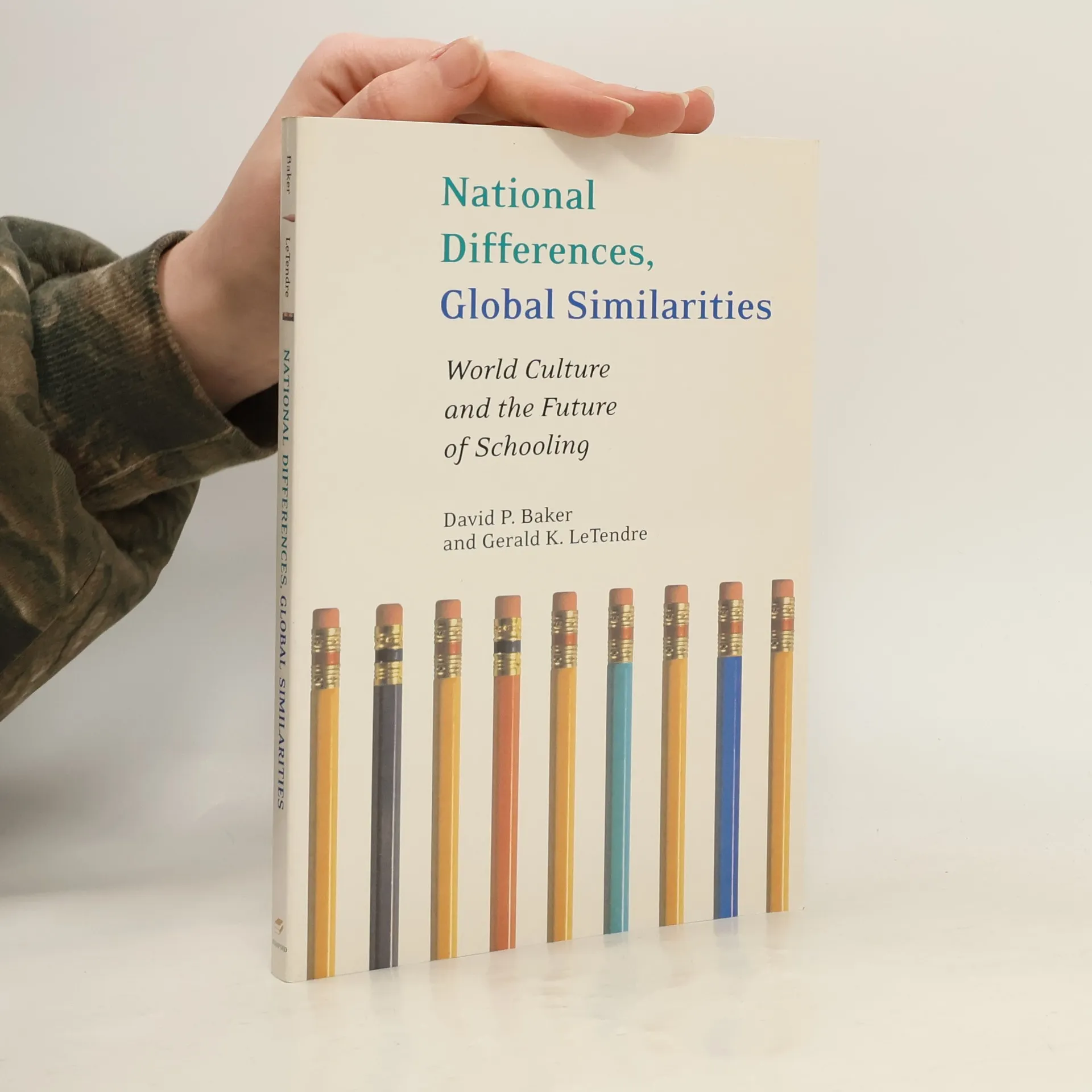


Stanford Social Sciences: National Differences, Global Similarities
World Culture and the Future of Schooling
Ocena książki
Więcej o książce
Using American schools as a reference point, this book provides a comprehensive, comparative description of schooling as a global institution. Each chapter develops a story about a particular global continuing gender differences in achievement, new methods nations employ to govern their schools, the rapidly increasing use of private tutoring, school violence, the development of effective curriculums, and the everyday work of teachers, among other topics. The authors draw on a four-year investigation conducted in forty-seven countries that examined many aspects of K-12 schooling, such as how schools are run, what teachers teach, and what students learn in mathematics and science. Baker and LeTendre present the results of the study in a non-technical and accessible fashion, outlining the implications of current trends for both education policy discussions and theoretical explorations of the role of education in society. Running throughout the book is a discussion of how world educational trends and the forces behind them will work to change and shape the possible directions education may take in the future.
Zakup książki
Stanford Social Sciences: National Differences, Global Similarities, David P. Baker, Gerald K. LeTendre
- Język

- Rok wydania
- 2005
- Oprawa
- (miękka)
Metody płatności
Brakuje nam tutaj Twojej recenzji.
- Tytuł
- Stanford Social Sciences: National Differences, Global Similarities
- Podtytuł
- World Culture and the Future of Schooling
- Język
- angielski
- Autorzy
- David P. Baker, Gerald K. LeTendre
- Wydawca
- Stanford University Press
- Rok wydania
- 2005
- Oprawa
- miękka
- Liczba stron
- 216
- ISBN10
- 0804750211
- ISBN13
- 9780804750219
- Seria
- Ocena
- 3,45 z 5
- Opis
- Using American schools as a reference point, this book provides a comprehensive, comparative description of schooling as a global institution. Each chapter develops a story about a particular global continuing gender differences in achievement, new methods nations employ to govern their schools, the rapidly increasing use of private tutoring, school violence, the development of effective curriculums, and the everyday work of teachers, among other topics. The authors draw on a four-year investigation conducted in forty-seven countries that examined many aspects of K-12 schooling, such as how schools are run, what teachers teach, and what students learn in mathematics and science. Baker and LeTendre present the results of the study in a non-technical and accessible fashion, outlining the implications of current trends for both education policy discussions and theoretical explorations of the role of education in society. Running throughout the book is a discussion of how world educational trends and the forces behind them will work to change and shape the possible directions education may take in the future.