


Więcej o książce
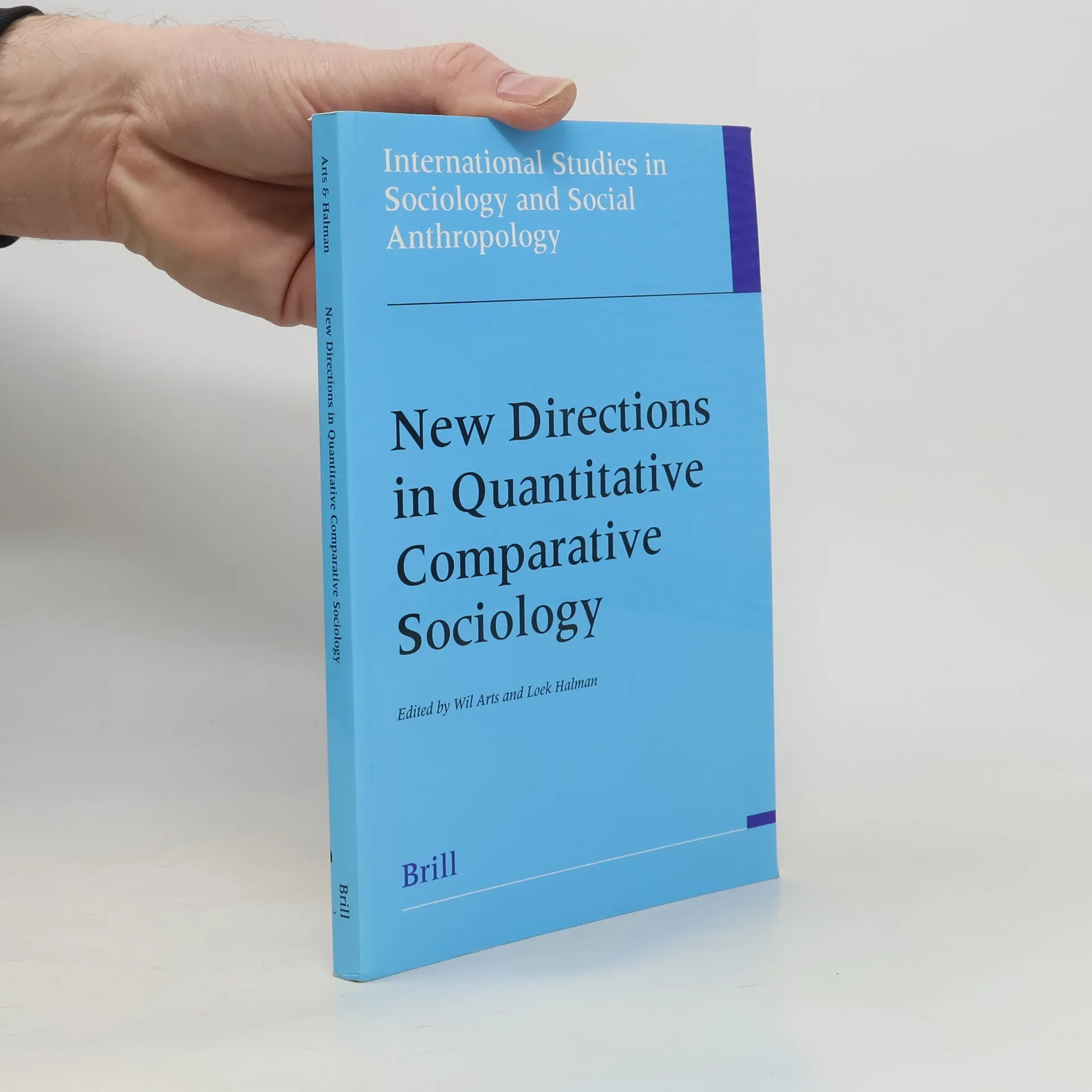
The comparative method is at the core of sociological inquiry and gained new importance, emphasis and practitioners particularly after the second world war as a consequence of a large variety of international and global scale developments. The contributions to this book regard nations or countries as contextual units of analysis and treat them as variables. Theoretical explanations are presented of how social phenomena are systematically related to characteristics of the nation states and these explanations are tested empirically using the qualitative tools of mainstream sociology. The chapters in this book can be useful to a broad audience and a range of social scientists who are interested in the understanding of contemporary social phenomena that are no longer limited to national borders but that are transnational or of a global order. Contributors are Toril Aalberg, Wil Arts, Carole B. Burgoyne, Loek Halman, Piet Hermkens, Guillermina Jasso, Mebs Kanji, James R. Kluegel, Ola Listhaug, David S. Mason, Petr Mat ju, Neil Nevitte, Thorleif Pettersson, David A. Routh, Svetlana Sidorenko-Stephenson, Johan Verweij, Bernd Wegener, and Peter Van Wijck."
Zakup książki
New Directions in Quantitative Comparative Sociology, Wilhelmus Antonius Arts, Loek Halman
- Język

- Rok wydania
- 1999
- Oprawa
- (miękka)
Metody płatności
Nikt jeszcze nie ocenił.
- Tytuł
- New Directions in Quantitative Comparative Sociology
- Język
- angielski
- Autorzy
- Wilhelmus Antonius Arts, Loek Halman
- Wydawca
- Brill
- Rok wydania
- 1999
- Oprawa
- miękka
- Liczba stron
- 199
- ISBN10
- 9004114114
- ISBN13
- 9789004114111
- Seria
- Kategorie
- Opis
- The comparative method is at the core of sociological inquiry and gained new importance, emphasis and practitioners particularly after the second world war as a consequence of a large variety of international and global scale developments. The contributions to this book regard nations or countries as contextual units of analysis and treat them as variables. Theoretical explanations are presented of how social phenomena are systematically related to characteristics of the nation states and these explanations are tested empirically using the qualitative tools of mainstream sociology. The chapters in this book can be useful to a broad audience and a range of social scientists who are interested in the understanding of contemporary social phenomena that are no longer limited to national borders but that are transnational or of a global order. Contributors are Toril Aalberg, Wil Arts, Carole B. Burgoyne, Loek Halman, Piet Hermkens, Guillermina Jasso, Mebs Kanji, James R. Kluegel, Ola Listhaug, David S. Mason, Petr Mat ju, Neil Nevitte, Thorleif Pettersson, David A. Routh, Svetlana Sidorenko-Stephenson, Johan Verweij, Bernd Wegener, and Peter Van Wijck."