

Ocena książki
Więcej o książce
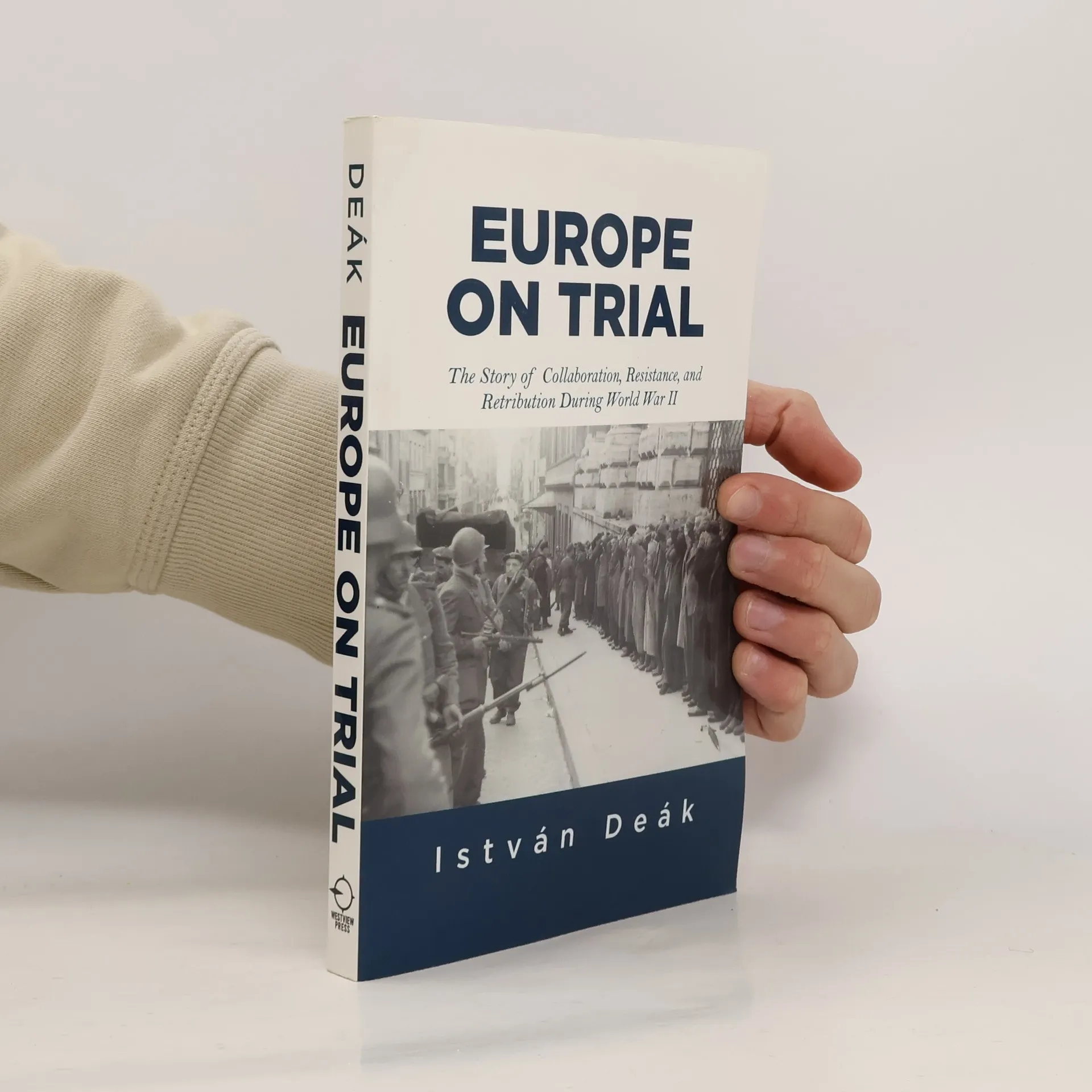
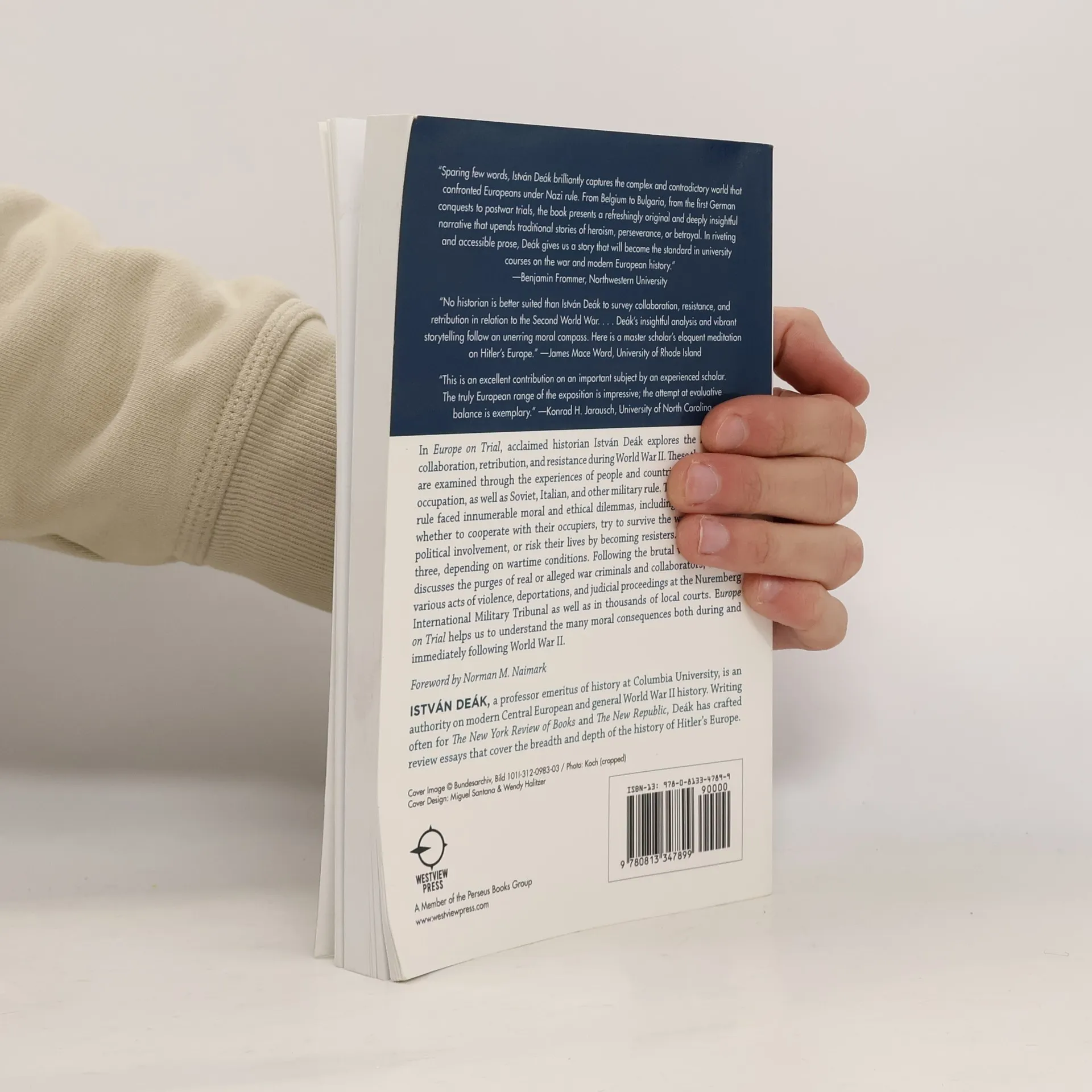
In Europe on Trial , acclaimed historian István Deák explores the history of collaboration, retribution, and resistance during World War II. These three themes are examined through the experiences of people and countries under German occupation, as well as Soviet, Italian, and other military rule. Those under foreign rule faced innumerable moral and ethical dilemmas, including the question of whether to cooperate with their occupiers, try to survive the war without any political involvement, or risk their lives by becoming resisters. Many chose all three, depending on wartime conditions. Following the brutal war, the author discusses the purges of real or alleged war criminals and collaborators, through various acts of violence, deportations, and judicial proceedings at the Nuremberg International Military Tribunal as well as in thousands of local courts. Europe on Trial helps us to understand the many moral consequences both during and immediately following World War II. Foreword by Norman M. Naimark
Zakup książki
Europe on Trial, István Deák, Norman M. Naimark
- Język

- Rok wydania
- 2013
- Oprawa
- (miękka)
Metody płatności
Brakuje nam tutaj Twojej recenzji.
- Tytuł
- Europe on Trial
- Podtytuł
- The Story of Collaboration, Resistance, and Retribution during World War II
- Język
- angielski
- Autorzy
- István Deák, Norman M. Naimark
- Wydawca
- Routledge
- Rok wydania
- 2013
- Oprawa
- miękka
- Liczba stron
- 284
- ISBN10
- 0813347890
- ISBN13
- 9780813347899
- Seria
- Kategorie
- Tagi
- Tematy historyczne, Wojny, II Wojna Światowa, Europa, Historia Europy, Zachodnia Europa, Armia, Studia podyplomowe, Zbrodniarze, Partyzanci, Sowieccy partyzanci
- Ocena
- 4,05 z 5
- Opis
- In Europe on Trial , acclaimed historian István Deák explores the history of collaboration, retribution, and resistance during World War II. These three themes are examined through the experiences of people and countries under German occupation, as well as Soviet, Italian, and other military rule. Those under foreign rule faced innumerable moral and ethical dilemmas, including the question of whether to cooperate with their occupiers, try to survive the war without any political involvement, or risk their lives by becoming resisters. Many chose all three, depending on wartime conditions. Following the brutal war, the author discusses the purges of real or alleged war criminals and collaborators, through various acts of violence, deportations, and judicial proceedings at the Nuremberg International Military Tribunal as well as in thousands of local courts. Europe on Trial helps us to understand the many moral consequences both during and immediately following World War II. Foreword by Norman M. Naimark