

Ocena książki
Więcej o książce
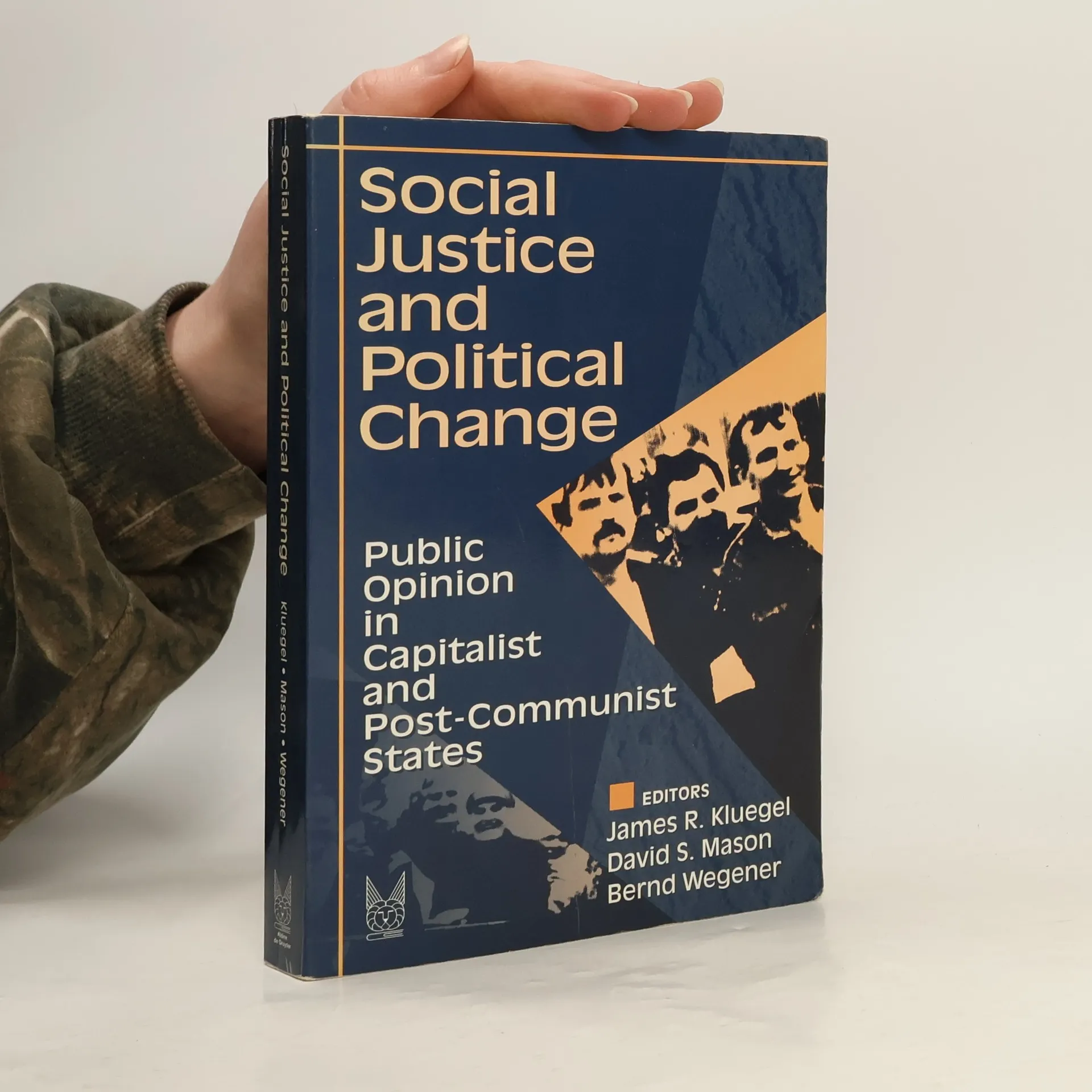
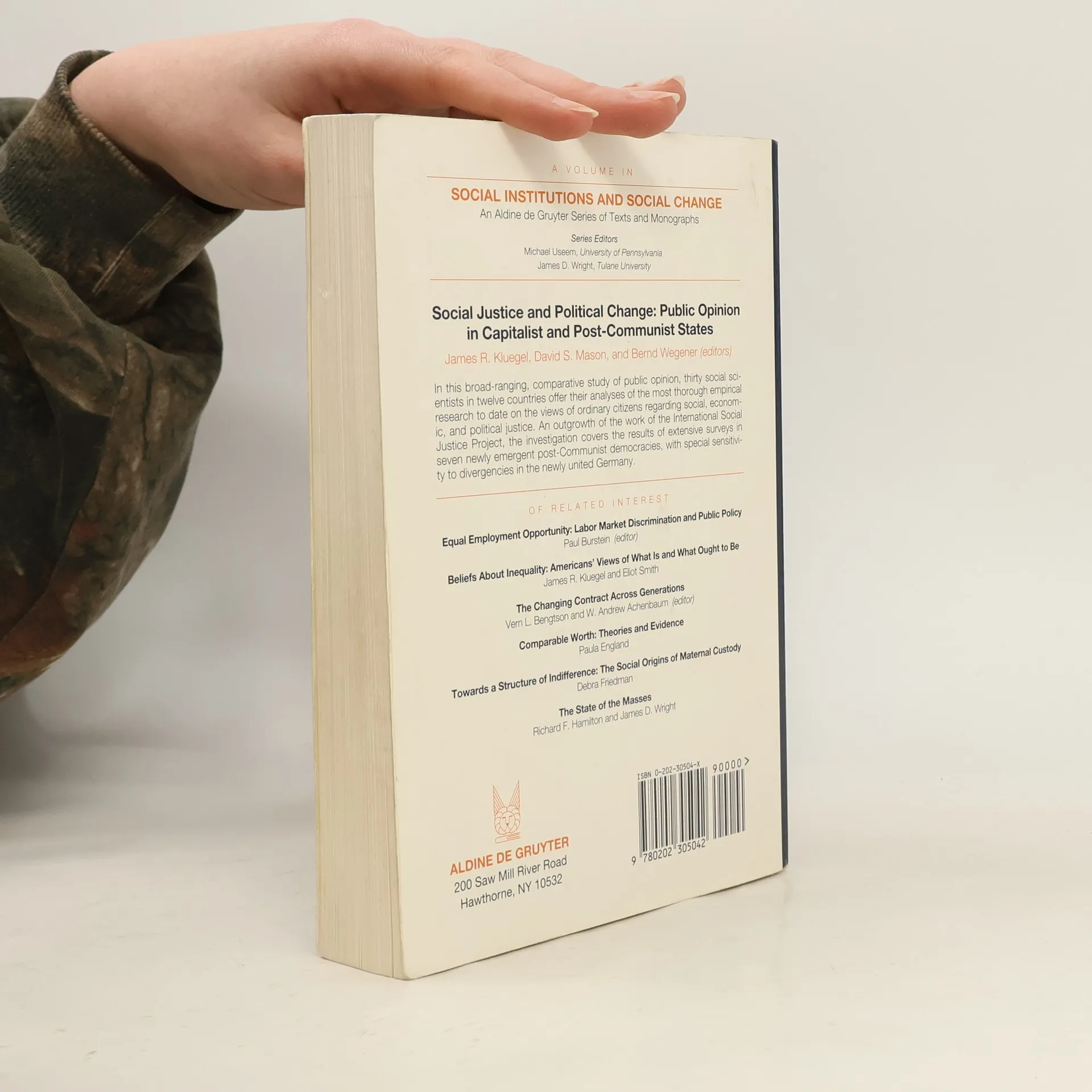
The book is the first to grow out of the work of the International Social Justice Project (ISJP), a collaborative study of public opinion about social justice. Though conceived in the year prior to the revolutions that swept central and eastern Europe in 1989, the ISJP did not put its survey into the field until the summer of 1991, in a new climate of open international exchange in social research. Employing common methods of data collection and, within the limits of translation, identical survey instruments, the ISJP investigated public opinion in seven newly emerging post-Communist countries (including the then Czechoslovakia) and five of the world's most influential capitalist democracies, with special sensitivity to divergencies in the newly united Germany. Among the themes addressed by the volume's contributors are: the views and beliefs of citizens in the post-Communist states on the transition to market economies and parliamentary democracy; the role of ideology in legitimating inequality; the structural determination of beliefs about justice; the processes that shape individual level evaluations; and the major implications of the ISJP findings.
Zakup książki
Social Justice and Political Change, James R. Kluegel, David Mason
- Język

- Rok wydania
- 1995
- Oprawa
- (twarda)
Metody płatności
Brakuje nam tutaj Twojej recenzji.
- Tytuł
- Social Justice and Political Change
- Podtytuł
- Public Opinion in Capitalist and Post-communist States
- Język
- angielski
- Autorzy
- James R. Kluegel, David Mason
- Wydawca
- Transaction Publishers
- Rok wydania
- 1995
- Oprawa
- twarda
- Liczba stron
- 359
- ISBN10
- 020230504X
- ISBN13
- 9780202305042
- Seria
- Tagi
- Ocena
- 4 z 5
- Opis
- The book is the first to grow out of the work of the International Social Justice Project (ISJP), a collaborative study of public opinion about social justice. Though conceived in the year prior to the revolutions that swept central and eastern Europe in 1989, the ISJP did not put its survey into the field until the summer of 1991, in a new climate of open international exchange in social research. Employing common methods of data collection and, within the limits of translation, identical survey instruments, the ISJP investigated public opinion in seven newly emerging post-Communist countries (including the then Czechoslovakia) and five of the world's most influential capitalist democracies, with special sensitivity to divergencies in the newly united Germany. Among the themes addressed by the volume's contributors are: the views and beliefs of citizens in the post-Communist states on the transition to market economies and parliamentary democracy; the role of ideology in legitimating inequality; the structural determination of beliefs about justice; the processes that shape individual level evaluations; and the major implications of the ISJP findings.