

Więcej o książce
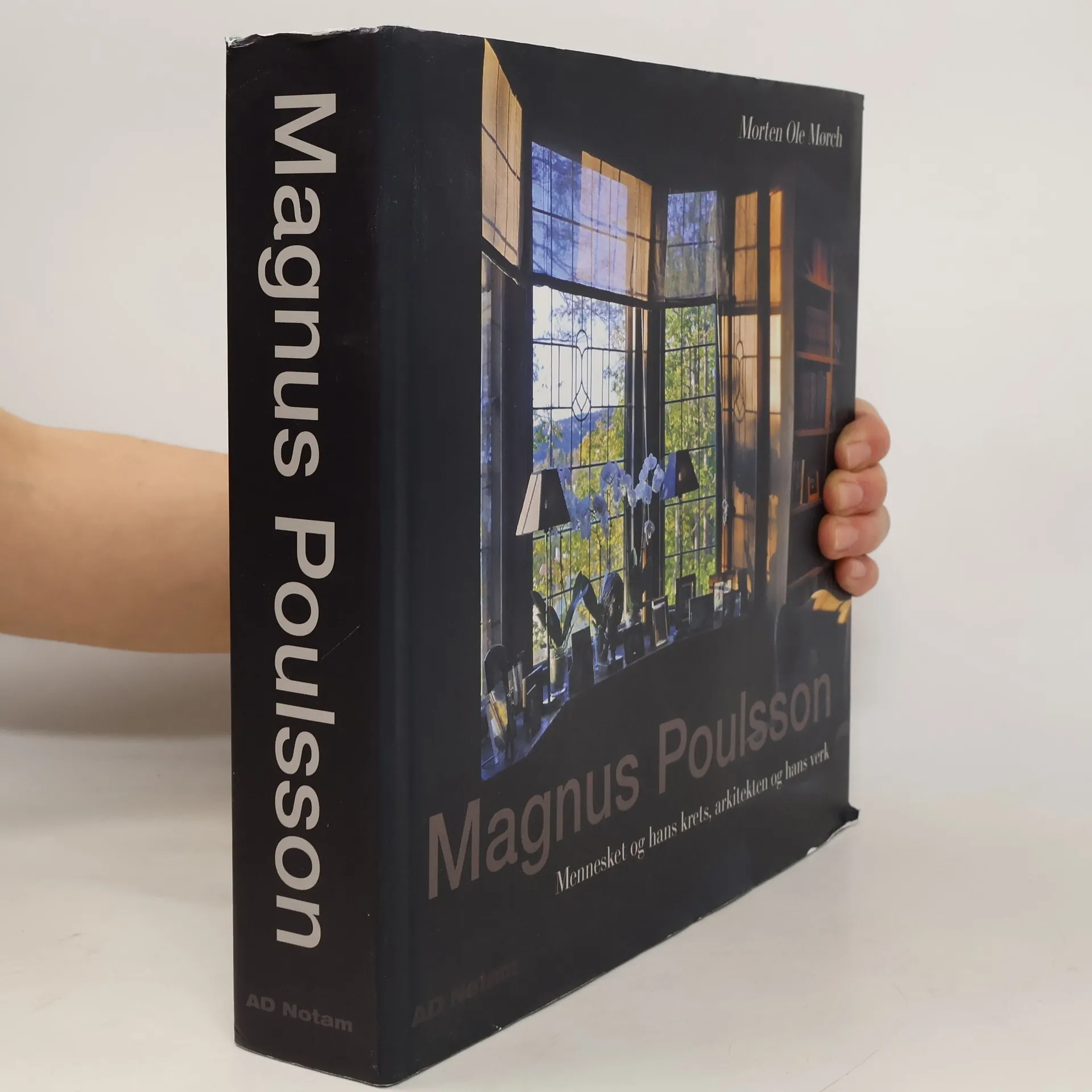
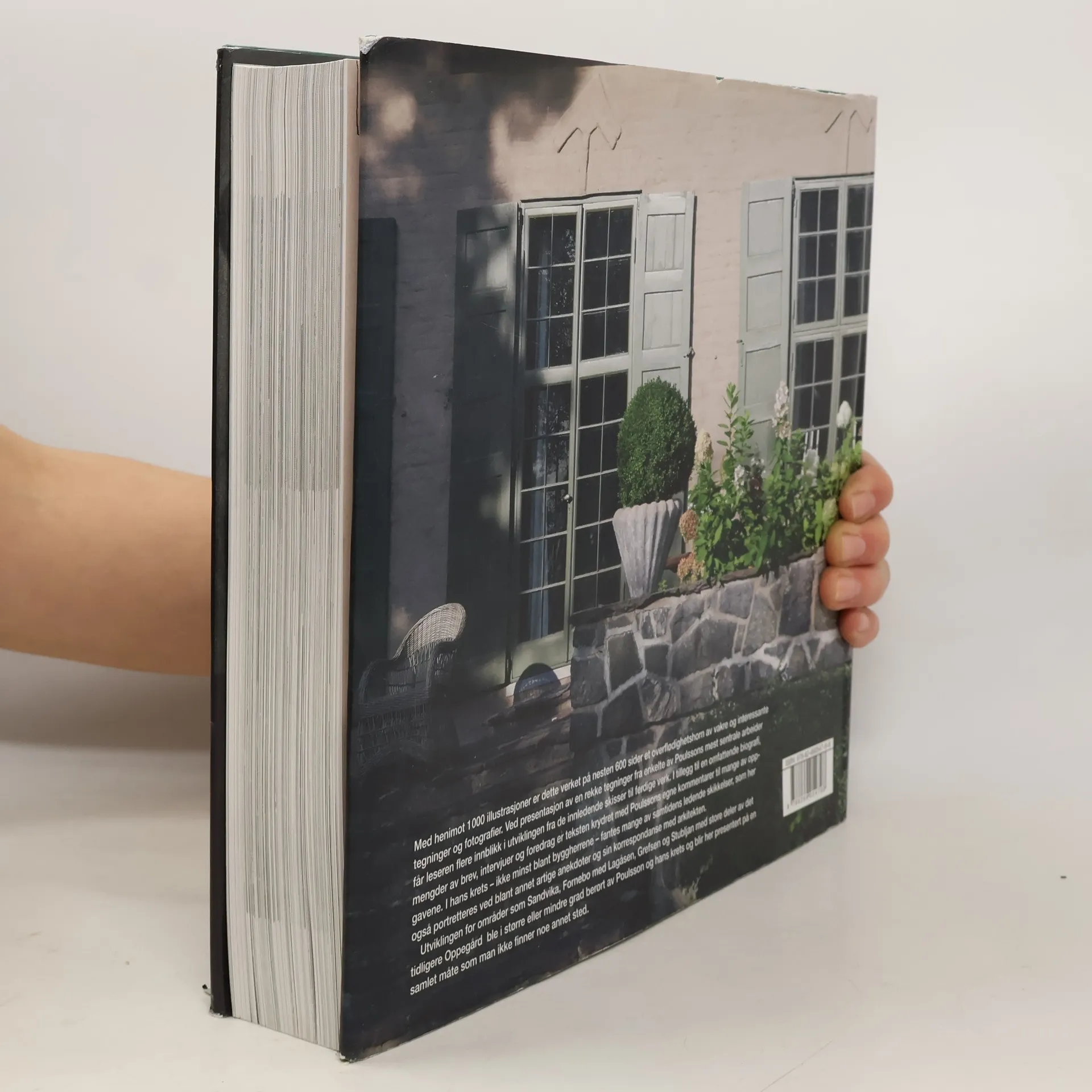
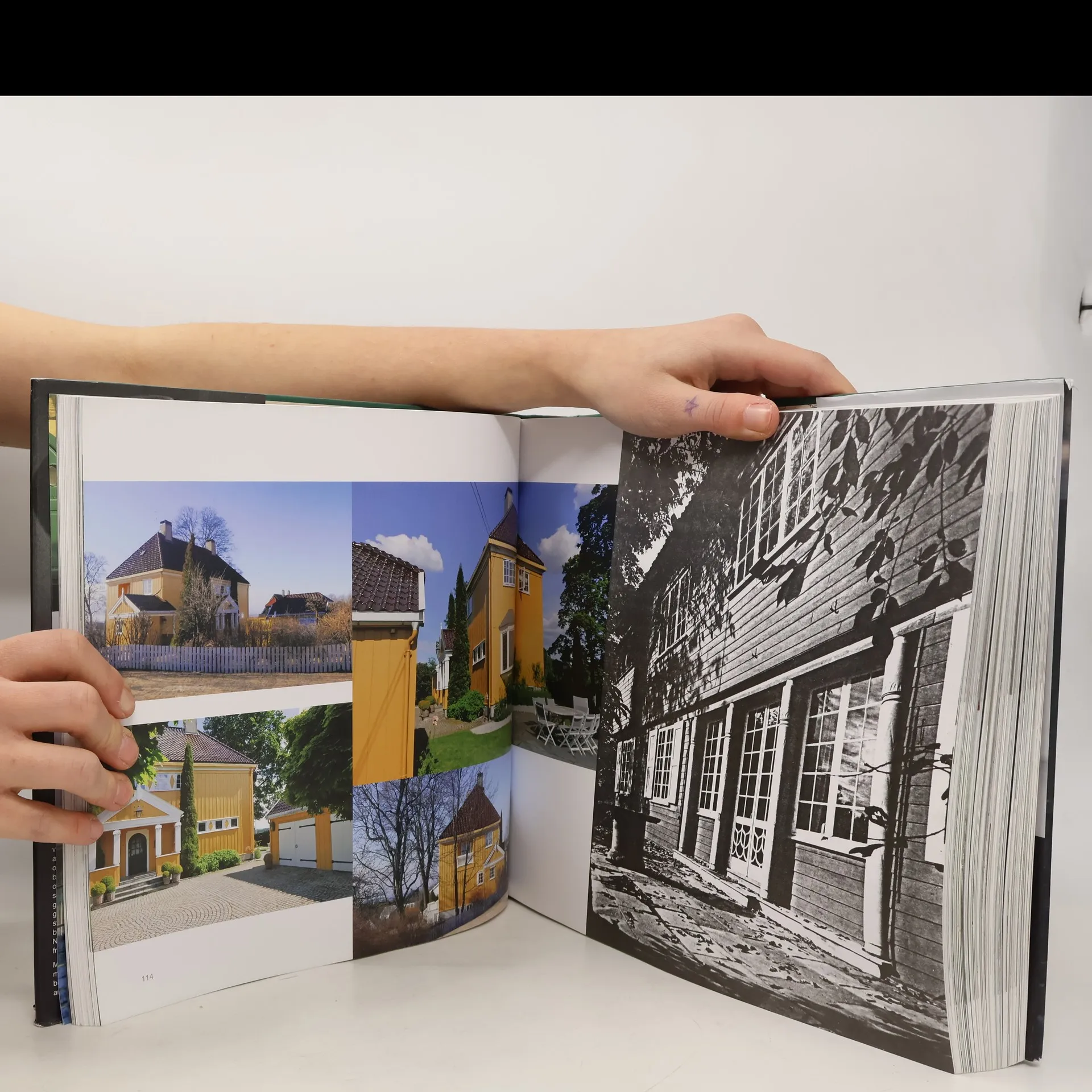
Magnus Poulsson (1881 - 1958) was arguably Norway's most renowned architect in the first half of the last century, celebrated primarily for his collaboration with Arnstein Arneberg on Oslo City Hall—recognized by a jury as Norway's most significant building of the last century—and the Telegraph Building in Oslo. His portfolio also includes monumental projects like Sandvika Town Hall with city center regulation, the DFDS farm in Karl Johans gate 1, the FRAM farm in Bygdøy allé 4, elegant villas, and impressive farm buildings such as Maarud and Hovinsholm. This nearly 600-page work features around 1,000 illustrations, showcasing a wealth of beautiful and intriguing drawings and photographs. It presents a selection of designs from Poulsson's key projects, offering insights into the evolution from initial sketches to completed works. Alongside extensive biographical information, letters, interviews, and lectures, the text is enriched with Poulsson's own reflections on many of his assignments, providing a deeper understanding of his architectural journey and contributions.
Zakup książki
Magnus Poulsson, Morten Ole Mørch, Magnus Poulsson
- Język

- Rok wydania
- 2021
- Oprawa
- (twarda)
Metody płatności
Nikt jeszcze nie ocenił.
- Tytuł
- Magnus Poulsson
- Język
- norweski
- Autorzy
- Morten Ole Mørch, Magnus Poulsson
- Wydawca
- Bokbasen
- Rok wydania
- 2021
- Oprawa
- twarda
- Liczba stron
- 593
- ISBN10
- 8269054798
- ISBN13
- 9788269054798
- Seria
- Kategorie
- Opis
- Magnus Poulsson (1881 - 1958) was arguably Norway's most renowned architect in the first half of the last century, celebrated primarily for his collaboration with Arnstein Arneberg on Oslo City Hall—recognized by a jury as Norway's most significant building of the last century—and the Telegraph Building in Oslo. His portfolio also includes monumental projects like Sandvika Town Hall with city center regulation, the DFDS farm in Karl Johans gate 1, the FRAM farm in Bygdøy allé 4, elegant villas, and impressive farm buildings such as Maarud and Hovinsholm. This nearly 600-page work features around 1,000 illustrations, showcasing a wealth of beautiful and intriguing drawings and photographs. It presents a selection of designs from Poulsson's key projects, offering insights into the evolution from initial sketches to completed works. Alongside extensive biographical information, letters, interviews, and lectures, the text is enriched with Poulsson's own reflections on many of his assignments, providing a deeper understanding of his architectural journey and contributions.