

Więcej o książce
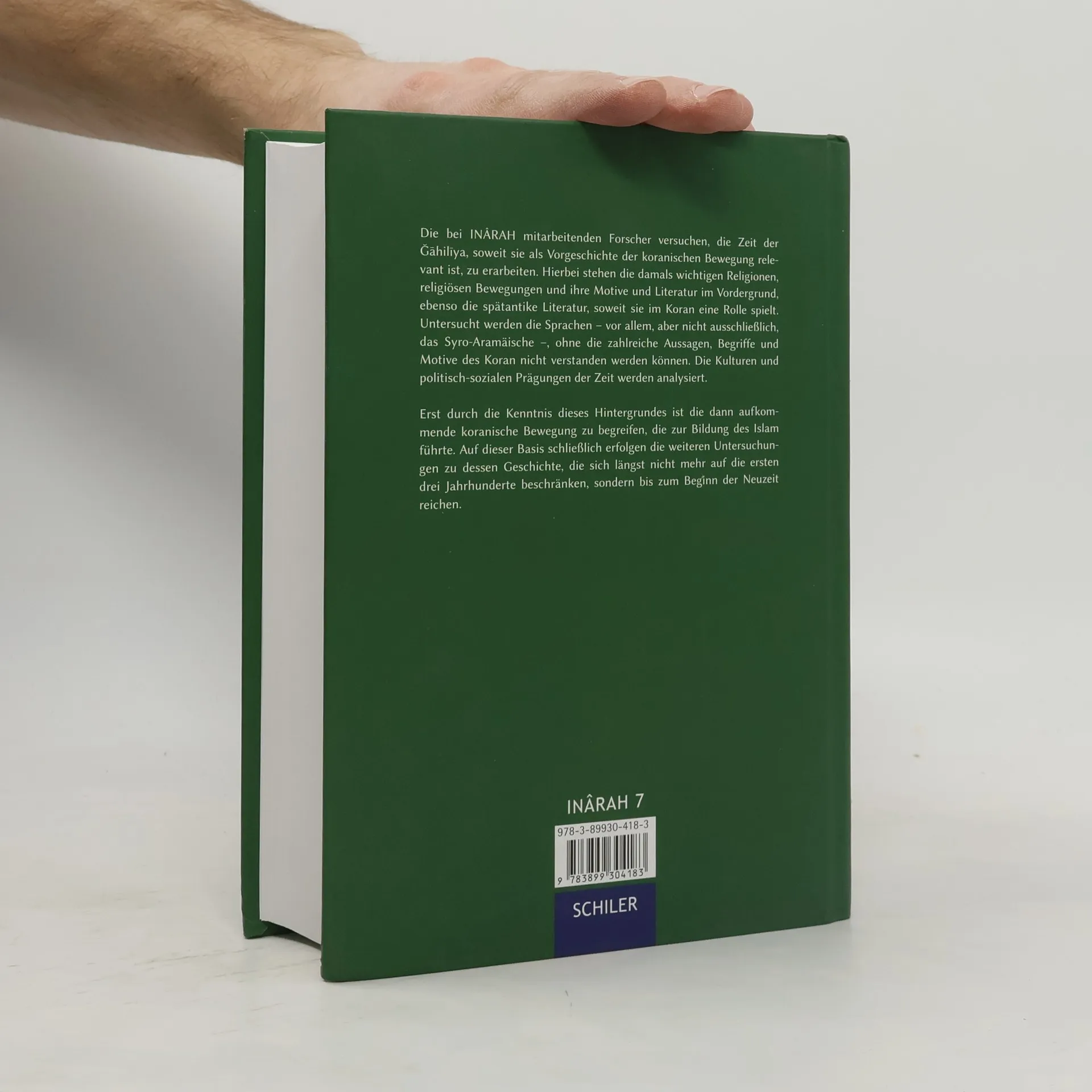
The researchers working with Inarah try to work out the time of the Gahiliya, as far as it is relevant as prehistory of the Koranic movement. The focus is on the important religions and religious movements of the time and their motifs and literature, as well as on the literature of late antiquity, insofar as it plays a role in the Qur'an. The languages of the time are examined - above all, but not Syro-Aramaic - without which numerous statements, concepts and motifs of the Koran cannot be understood. The cultures and political-social influences of the time are analyzed. Only through the knowledge of this background can the then emerging Koranic movement be understood, which led to the formation of Islam. On this basis finally the further investigations of the history of Islam take place. The restriction to the first three centuries, which had already been abandoned earlier, has been extended in this volume to the beginning of the modern era. Research into the origins, wider history and motivations are still in their infancy. It will take many more research efforts before a reasonably secure overall picture can be established. But a great deal of facts, contours, and motives are already discernible, showing the emergence of a world religion of a very different kind than traditional narratives would like to suggest. Anthology with contributions partly in French and English.
Zakup książki
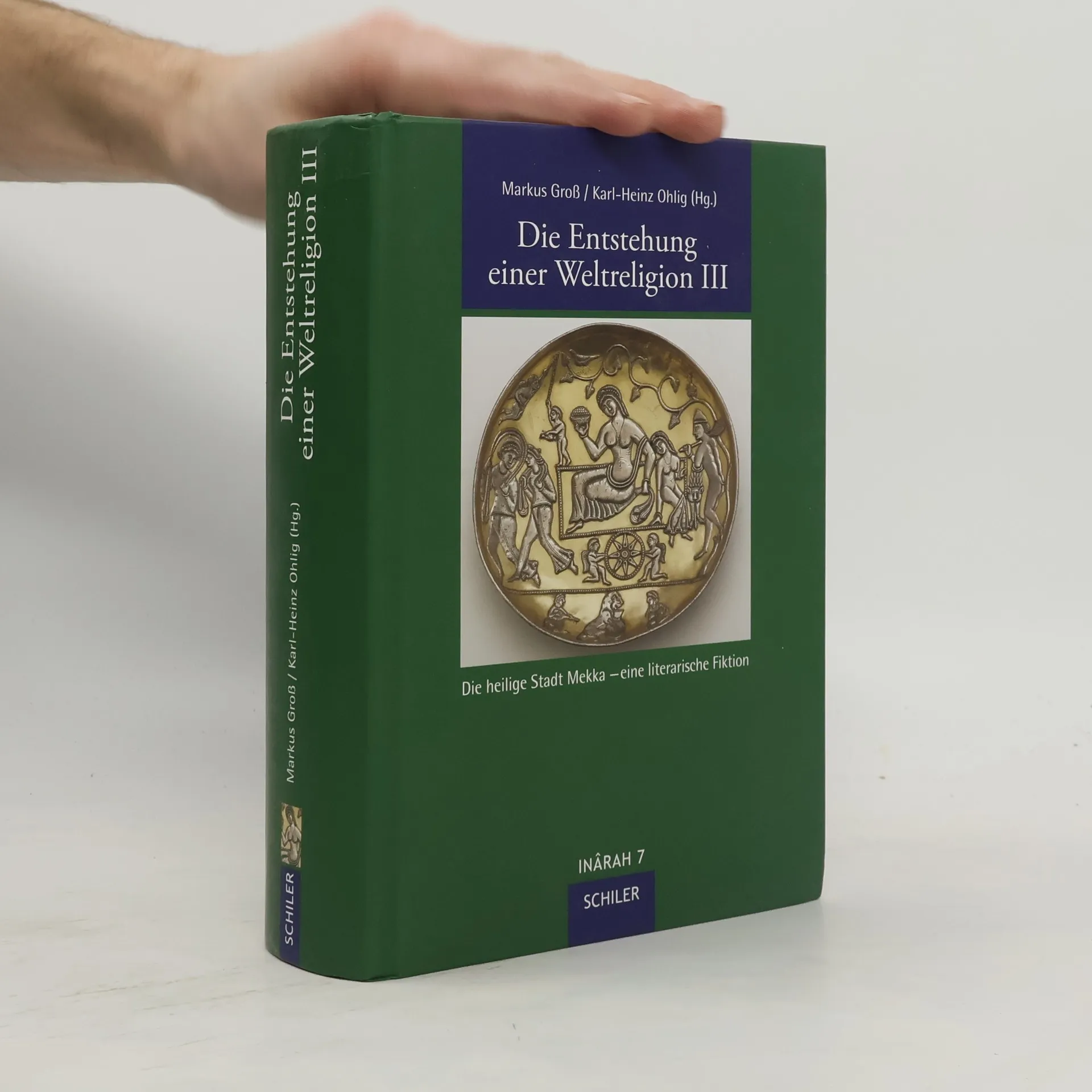
Die Entstehung Einer Weltreligion III, Karl Heinz Ohlig
- Język

- Rok wydania
- 2010
- Oprawa
- (twarda)
Metody płatności
Nikt jeszcze nie ocenił.
- Tytuł
- Die Entstehung Einer Weltreligion III
- Podtytuł
- Die Heilige Stadt Mekka - Eine Literarische Fiktion
- Język
- niemiecki
- Autorzy
- Karl Heinz Ohlig
- Wydawca
- Schiler
- Rok wydania
- 2010
- Oprawa
- twarda
- Liczba stron
- 931
- ISBN10
- 3899304187
- ISBN13
- 9783899304183
- Seria
- Kategorie
- Opis
- The researchers working with Inarah try to work out the time of the Gahiliya, as far as it is relevant as prehistory of the Koranic movement. The focus is on the important religions and religious movements of the time and their motifs and literature, as well as on the literature of late antiquity, insofar as it plays a role in the Qur'an. The languages of the time are examined - above all, but not Syro-Aramaic - without which numerous statements, concepts and motifs of the Koran cannot be understood. The cultures and political-social influences of the time are analyzed. Only through the knowledge of this background can the then emerging Koranic movement be understood, which led to the formation of Islam. On this basis finally the further investigations of the history of Islam take place. The restriction to the first three centuries, which had already been abandoned earlier, has been extended in this volume to the beginning of the modern era. Research into the origins, wider history and motivations are still in their infancy. It will take many more research efforts before a reasonably secure overall picture can be established. But a great deal of facts, contours, and motives are already discernible, showing the emergence of a world religion of a very different kind than traditional narratives would like to suggest. Anthology with contributions partly in French and English.