

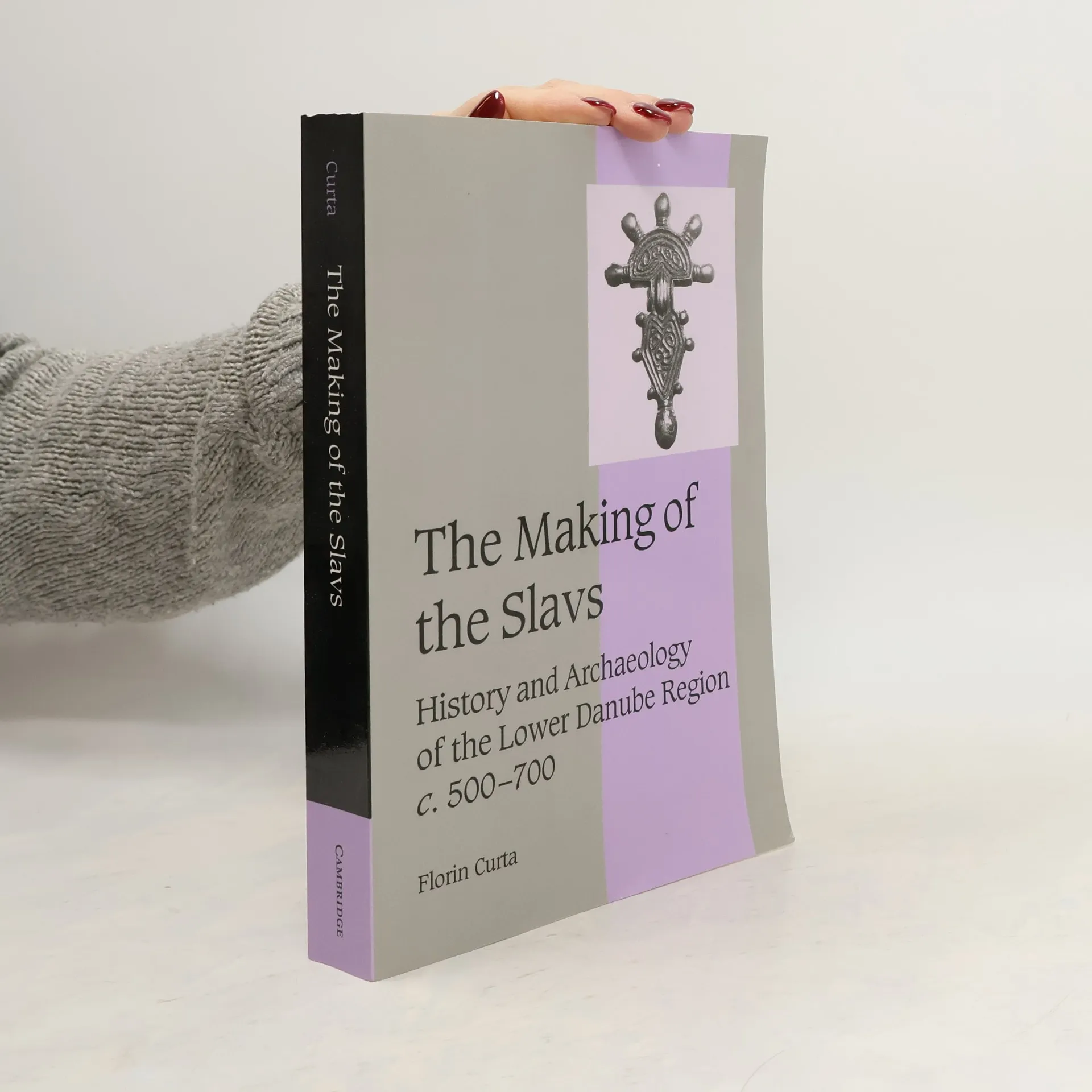
Cambridge Studies in Medieval Life and Thought: Fourth Series - 52: The Making of the Slavs
History and Archaeology of the Lower Danube Region, c. 500-700
Autorzy
Ocena książki
Więcej o książce
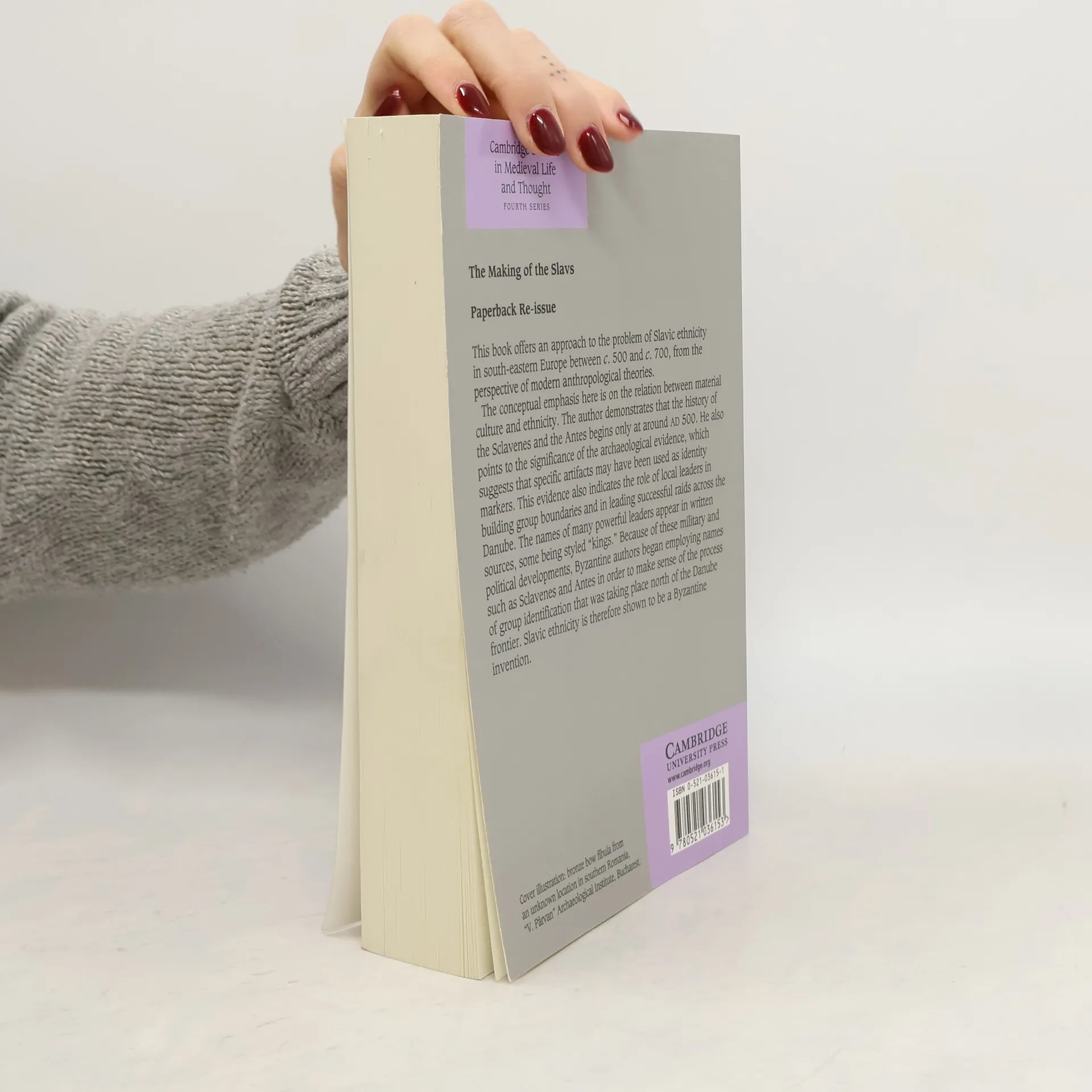
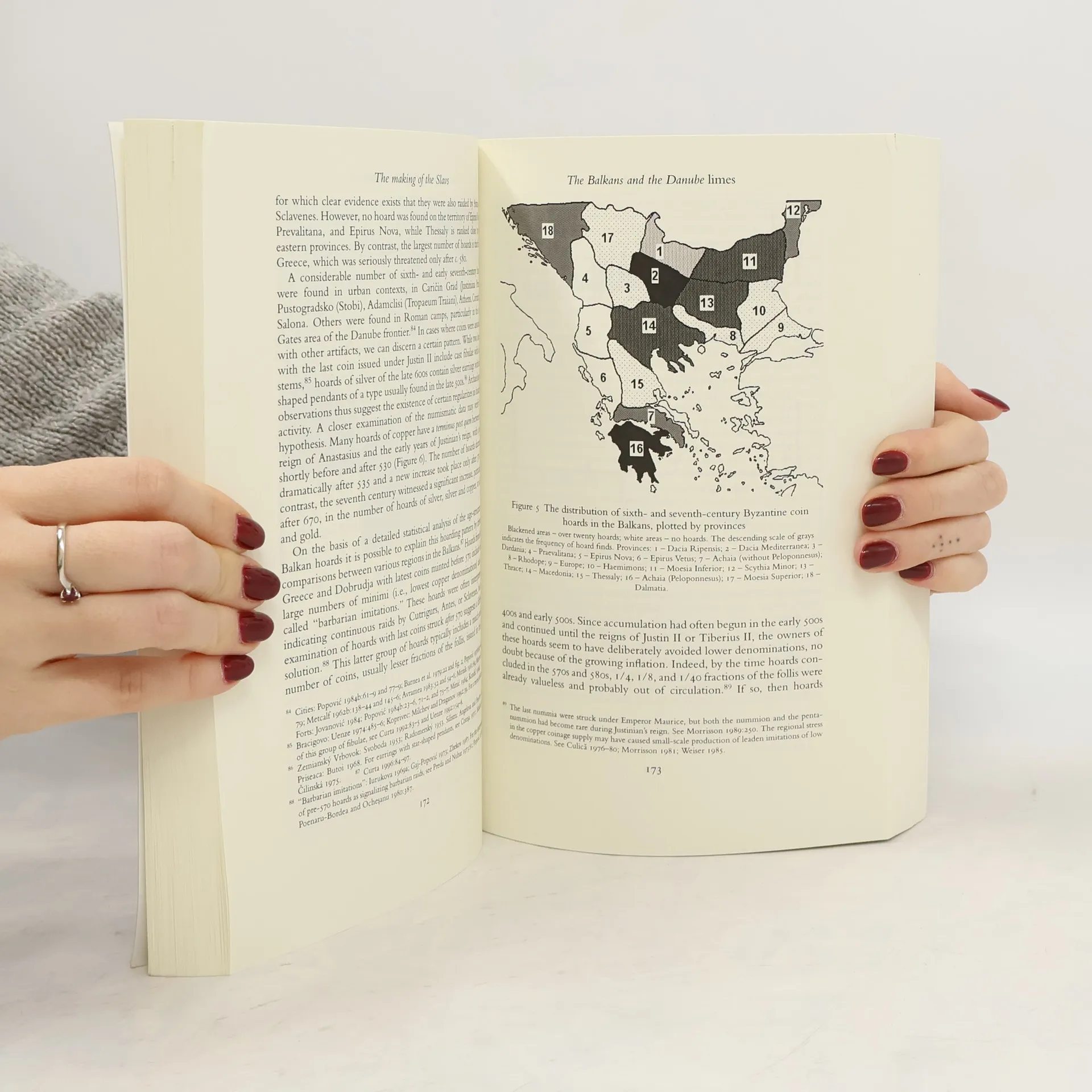
This book offers a new approach to the problem of Slavic ethnicity in southeastern Europe between c. 500 and c. 700. The author shows how Byzantine authors "invented" the Slavs, in order to make sense of political and military developments taking place in the Balkans. Making extensive use of archaeology to show that such developments resulted in the rise of powerful leaders, responsible for creating group identities and mobilizing warriors for successful raids across the frontier. The author rejects the idea of Slavic migration, and shows that "the Slavs" were the product of the frontier.
Zakup książki
Cambridge Studies in Medieval Life and Thought: Fourth Series - 52: The Making of the Slavs, Florin Curta
- Język

- Rok wydania
- 2007
- Oprawa
- (miękka)
Metody płatności
Brakuje nam tutaj Twojej recenzji.
- Tytuł
- Cambridge Studies in Medieval Life and Thought: Fourth Series - 52: The Making of the Slavs
- Podtytuł
- History and Archaeology of the Lower Danube Region, c. 500-700
- Język
- angielski
- Autorzy
- Florin Curta
- Wydawca
- Cambridge University Press
- Rok wydania
- 2007
- Oprawa
- miękka
- Liczba stron
- 496
- ISBN10
- 0521036151
- ISBN13
- 9780521036153
- Seria
- Kategorie
- Tagi
- Tematy historyczne, Niemcy, Południowa Europa, Europa, Średniowiecze, Starożytność, Historia Europy, Archeologia, Europa Wschodnia
- Ocena
- 3,95 z 5
- Opis
- This book offers a new approach to the problem of Slavic ethnicity in southeastern Europe between c. 500 and c. 700. The author shows how Byzantine authors "invented" the Slavs, in order to make sense of political and military developments taking place in the Balkans. Making extensive use of archaeology to show that such developments resulted in the rise of powerful leaders, responsible for creating group identities and mobilizing warriors for successful raids across the frontier. The author rejects the idea of Slavic migration, and shows that "the Slavs" were the product of the frontier.