




Parametry
- 320 stron
- 12 godzin czytania
Więcej o książce
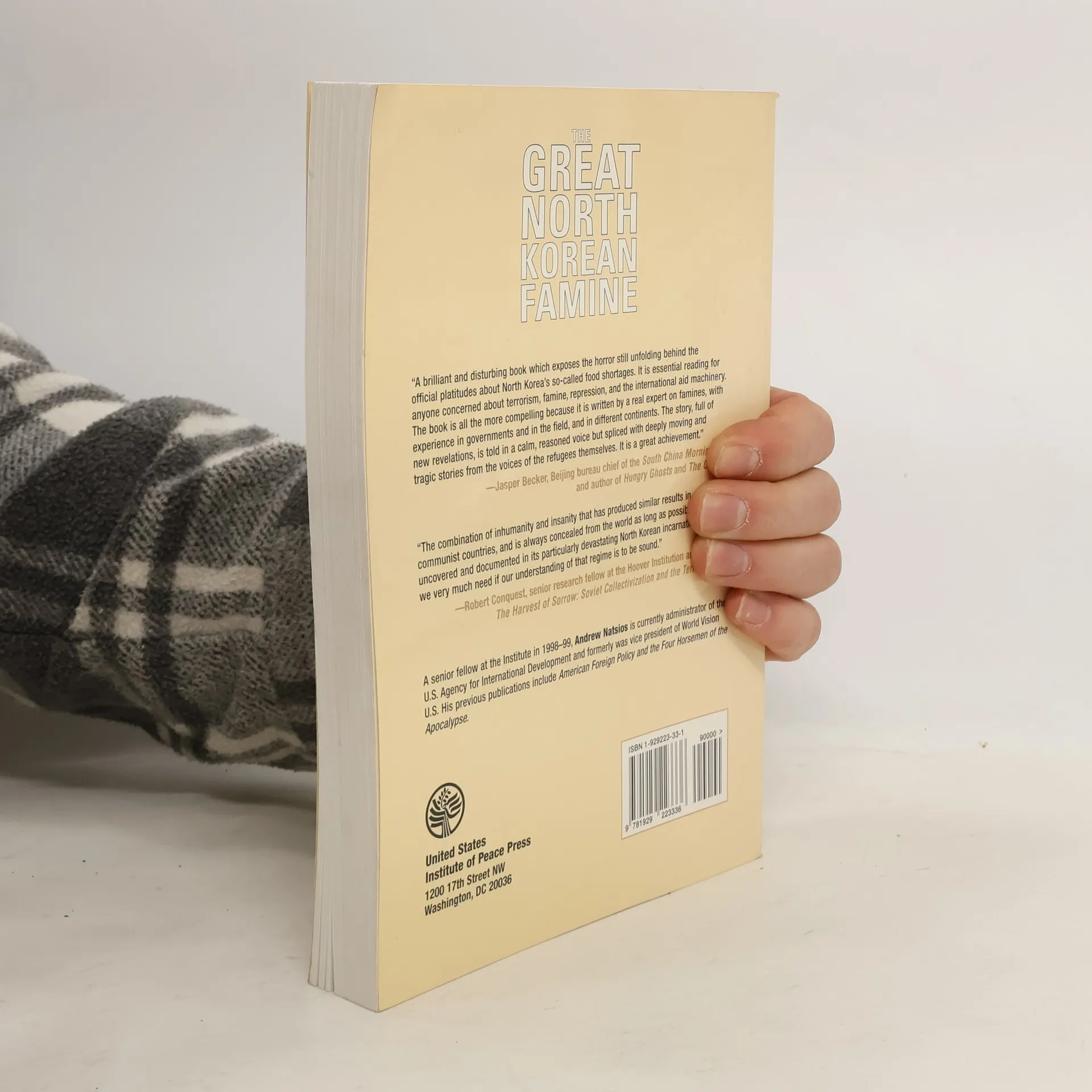
In 1994, a devastating famine struck one of the world's most isolated societies, resulting in the deaths of possibly 3 million people over five years. While the North Korean regime attempted to conceal this tragedy, the international community largely turned a blind eye. Andrew Natsios explores three critical questions: the origins and extent of the famine, the lack of action from donor governments and organizations, and the famine's implications for North Korea and the international community. To uncover the truth, Natsios utilizes limited published sources, testimonies from thousands of refugees, emails from his time leading an NGO effort to assist victims, and his interactions with North Korean and Western officials. His findings reveal a harrowing human tragedy, a regime that prioritized ideological rigidity over its citizens' welfare, and foreign governments that prioritized political interests over humanitarian needs. This compelling work offers insights for both specialists and general readers, shedding light on the grim realities behind North Korea's borders and the complex interplay of ethics and politics in shaping foreign policy.
Zakup książki
The Great North Korean Famine, Andrew S. Natsios
- Język

- Rok wydania
- 2001
- Oprawa
- (miękka)
Metody płatności
Brakuje nam tutaj Twojej recenzji.
- Tytuł
- The Great North Korean Famine
- Podtytuł
- Famine, Politics, and Foreign Policy
- Język
- angielski
- Autorzy
- Andrew S. Natsios
- Rok wydania
- 2001
- Oprawa
- miękka
- Liczba stron
- 320
- ISBN10
- 1929223331
- ISBN13
- 9781929223336
- Seria
- Tagi
- Tematy historyczne, Polityka, USA, Azja, Teorie polityczne, Stosunki międzynarodowe, Praca Socjalna, Ekonomia polityczna, Korea Południowa, Korea Północna, Głód, Aspekty polityczne
- Ocena
- 3,95 z 5
- Opis
- In 1994, a devastating famine struck one of the world's most isolated societies, resulting in the deaths of possibly 3 million people over five years. While the North Korean regime attempted to conceal this tragedy, the international community largely turned a blind eye. Andrew Natsios explores three critical questions: the origins and extent of the famine, the lack of action from donor governments and organizations, and the famine's implications for North Korea and the international community. To uncover the truth, Natsios utilizes limited published sources, testimonies from thousands of refugees, emails from his time leading an NGO effort to assist victims, and his interactions with North Korean and Western officials. His findings reveal a harrowing human tragedy, a regime that prioritized ideological rigidity over its citizens' welfare, and foreign governments that prioritized political interests over humanitarian needs. This compelling work offers insights for both specialists and general readers, shedding light on the grim realities behind North Korea's borders and the complex interplay of ethics and politics in shaping foreign policy.