

Parametry
- 304 strony
- 11 godzin czytania
Więcej o książce
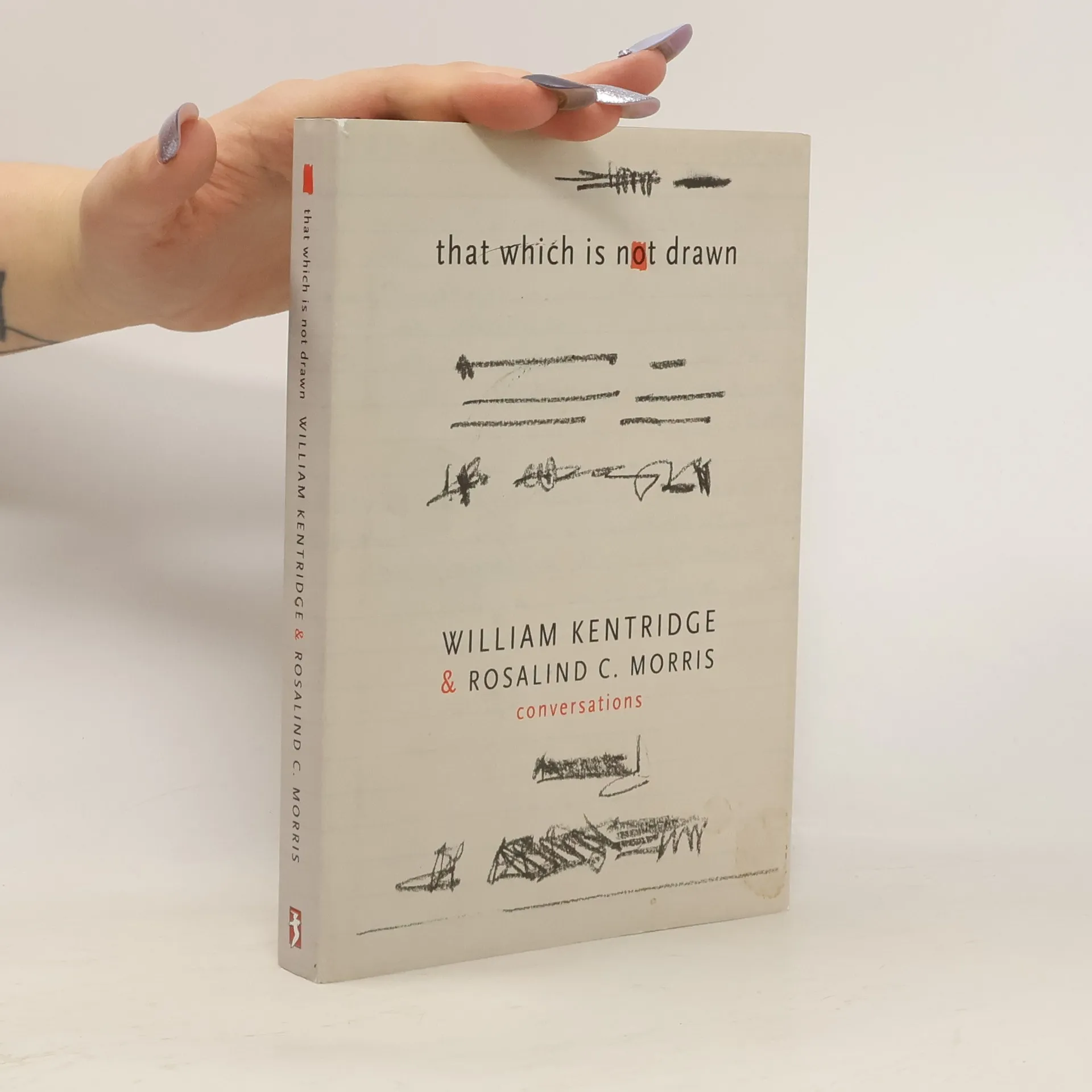
For over thirty years, artist William Kentridge has delved into themes such as subjectivity, revolution, the Enlightenment's legacy in Africa, and the nature of time. His work has pushed the limits of various media, allowing viewers to engage with landscape and self-portraiture, the boundaries of representation, and the labor involved in art. Despite this, a comprehensive guide to his art has been lacking—until now. In a five-day conversation with Rosalind C. Morris, Kentridge discusses his artistic techniques and the philosophical foundations of his work. This dialogue, titled That Which Is Not Drawn, offers an in-depth exploration of Kentridge's key concerns, including the virtues of bastardy, ethics of provisionality, the nature of translation, and the viewer's role. Together, they examine the migration of images throughout his pieces and contemplate the potential for revolutionary art that embraces transformation. Kentridge notes, “The activity and the performance, whether it’s the performance of drawing or the performance of speech and conversation, is also the engine for new thoughts to happen.” This engaging exchange serves as a much-needed guide to the dynamic and evolving work of one of today's most significant artists.
Zakup książki
That Which Is Not Drawn, William Kentridge, Rosalind C. Morris
- Język

- Rok wydania
- 2013
- Oprawa
- (twarda)
Metody płatności
Brakuje nam tutaj Twojej recenzji.
- Tytuł
- That Which Is Not Drawn
- Podtytuł
- Conversations
- Język
- angielski
- Autorzy
- William Kentridge, Rosalind C. Morris
- Wydawca
- Seagull Books London Ltd
- Rok wydania
- 2013
- Oprawa
- twarda
- Liczba stron
- 304
- ISBN10
- 0857421751
- ISBN13
- 9780857421753
- Seria
- Tagi
- Tematy historyczne, Tematyka filozoficzna, Sztuka, Historia sztuki, Afryka, Republika Południowej Afryki
- Ocena
- 4,25 z 5
- Opis
- For over thirty years, artist William Kentridge has delved into themes such as subjectivity, revolution, the Enlightenment's legacy in Africa, and the nature of time. His work has pushed the limits of various media, allowing viewers to engage with landscape and self-portraiture, the boundaries of representation, and the labor involved in art. Despite this, a comprehensive guide to his art has been lacking—until now. In a five-day conversation with Rosalind C. Morris, Kentridge discusses his artistic techniques and the philosophical foundations of his work. This dialogue, titled That Which Is Not Drawn, offers an in-depth exploration of Kentridge's key concerns, including the virtues of bastardy, ethics of provisionality, the nature of translation, and the viewer's role. Together, they examine the migration of images throughout his pieces and contemplate the potential for revolutionary art that embraces transformation. Kentridge notes, “The activity and the performance, whether it’s the performance of drawing or the performance of speech and conversation, is also the engine for new thoughts to happen.” This engaging exchange serves as a much-needed guide to the dynamic and evolving work of one of today's most significant artists.