



Parametry
- 384 strony
- 14 godzin czytania
Więcej o książce
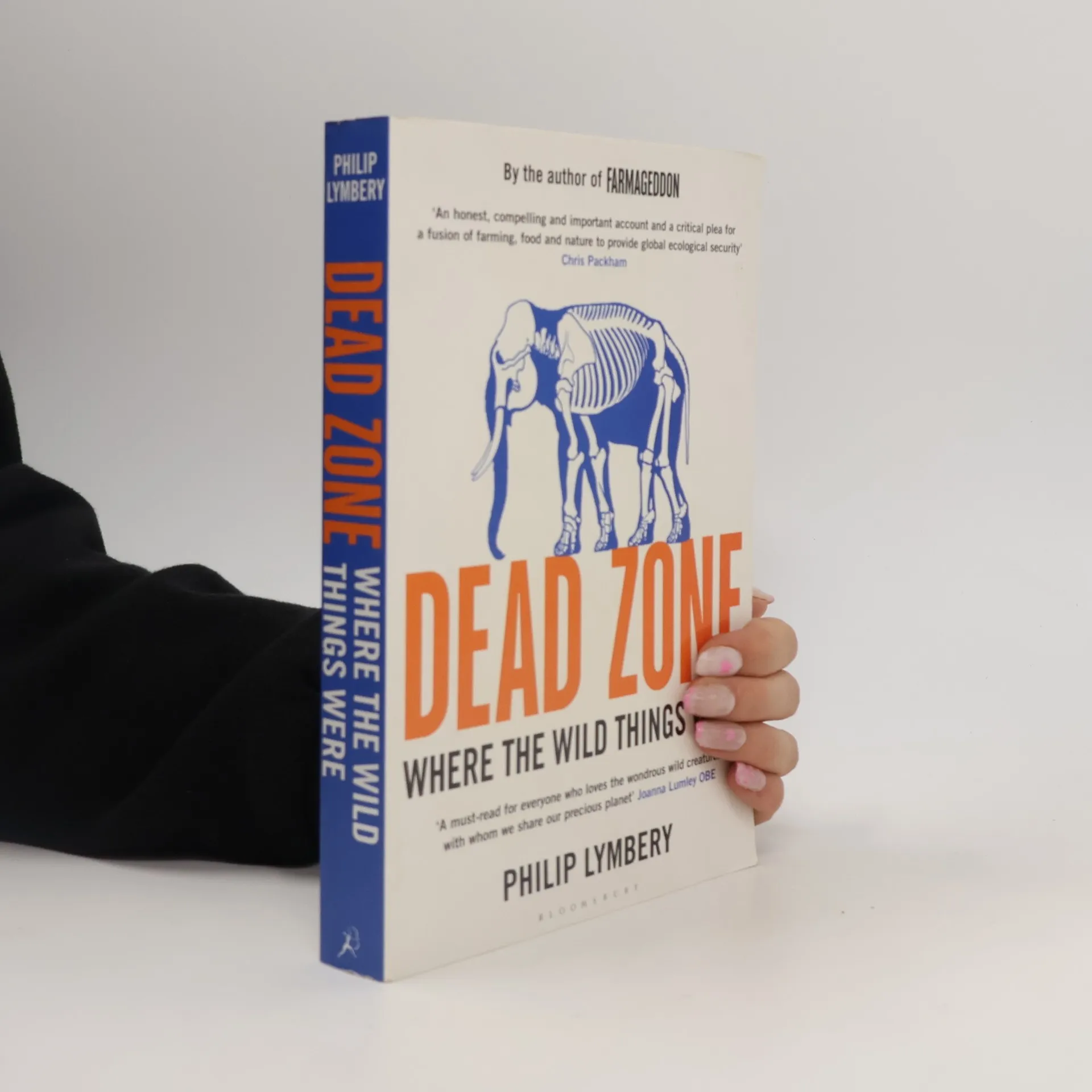
Most of us are aware that many animals are threatened by extinction--the plight of creatures such as polar bears, tigers, and whales has been well publicized. While this is typically attributed to climate change and habitat destruction, few people realize that there is a direct link to consumer demand for cheap meat. Some may see intensive farming as a necessary evil. After all, we need to produce more food for a growing global population and are led to believe that squeezing animals into factory farms and growing crops in vast, chemical-soaked prairies is efficient and leaves land free for wildlife--but this is far from the truth. With the limits of the planet's resources now seemingly within touching distance, awareness is growing about how the wellbeing of society depends on a thriving natural world. Through the lens of a dozen iconic and endangered species, Dead Zone examines the role of industrial farming in their plight and meets the people doing something about it. By the author of the internationally successful Farmageddon , Dead Zone takes the reader on a global safari involving some of the world's most iconic and endangered species. The focus shifts from the plight of farm animals to the impact of industrial farming on specific endangered species, as the book lays bare the myths that prop up factory farming and shows what we can do to save the planet with healthy food.
Zakup książki
Dead Zone, Philip Lymbery
- Język

- Rok wydania
- 2017
- Oprawa
- (miękka)
Metody płatności
Brakuje nam tutaj Twojej recenzji.
- Tytuł
- Dead Zone
- Podtytuł
- Where the Wild Things Were
- Język
- angielski
- Autorzy
- Philip Lymbery
- Wydawca
- Bloomsbury Publishing
- Rok wydania
- 2017
- Oprawa
- miękka
- Liczba stron
- 384
- ISBN10
- 1408868261
- ISBN13
- 9781408868263
- Seria
- Kategorie
- Tagi
- Biznes, Przyroda, Nauki przyrodnicze, Zwierzęta, Nauka, USA, Tematy ekologiczne, Zrównoważony rozwój, Ochrona zwierząt, Konserwacja
- Ocena
- 4,2 z 5
- Opis
- Most of us are aware that many animals are threatened by extinction--the plight of creatures such as polar bears, tigers, and whales has been well publicized. While this is typically attributed to climate change and habitat destruction, few people realize that there is a direct link to consumer demand for cheap meat. Some may see intensive farming as a necessary evil. After all, we need to produce more food for a growing global population and are led to believe that squeezing animals into factory farms and growing crops in vast, chemical-soaked prairies is efficient and leaves land free for wildlife--but this is far from the truth. With the limits of the planet's resources now seemingly within touching distance, awareness is growing about how the wellbeing of society depends on a thriving natural world. Through the lens of a dozen iconic and endangered species, Dead Zone examines the role of industrial farming in their plight and meets the people doing something about it. By the author of the internationally successful Farmageddon , Dead Zone takes the reader on a global safari involving some of the world's most iconic and endangered species. The focus shifts from the plight of farm animals to the impact of industrial farming on specific endangered species, as the book lays bare the myths that prop up factory farming and shows what we can do to save the planet with healthy food.