


Więcej o książce
This book presents a state-of-the-art account of what we know and would like to know about language, mind and brain. Chapters by leading researchers in linguistics, psycholinguistics, language acquisition, cognitive neuroscience, comparative cognitive psychology, and evolutionary biology are framed by an introduction and conclusion by Noam Chomsky, who places the biolinguistic enterprise in an historical context and helps define its agenda for the future. The questions explored include: What is our tacit knowledge of language? What is the faculty of language? How does it develop in the individual? How is that knowledge put to use? How is it implemented in the brain? How did that knowledge emerge in the species? The book includes the contributor's key discussions, which dramatically bring to life their enthusiasm for the enterprise and skill in communicating across disciplines. Everyone seriously interested in how language works and why it works the way it does are certain to find, if not all the answers, then a convincing, productive, and lively approach to the endeavour.
Zakup książki
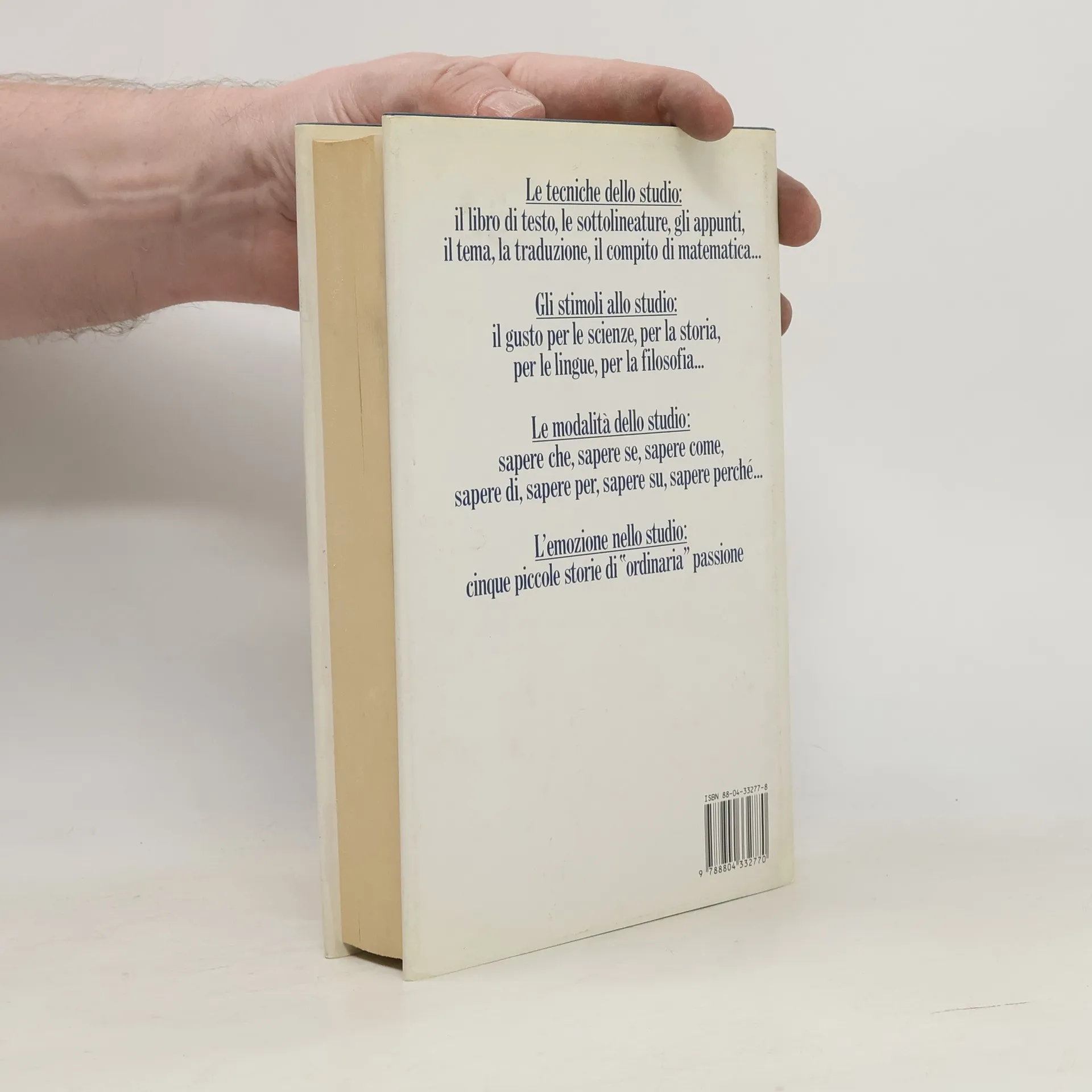
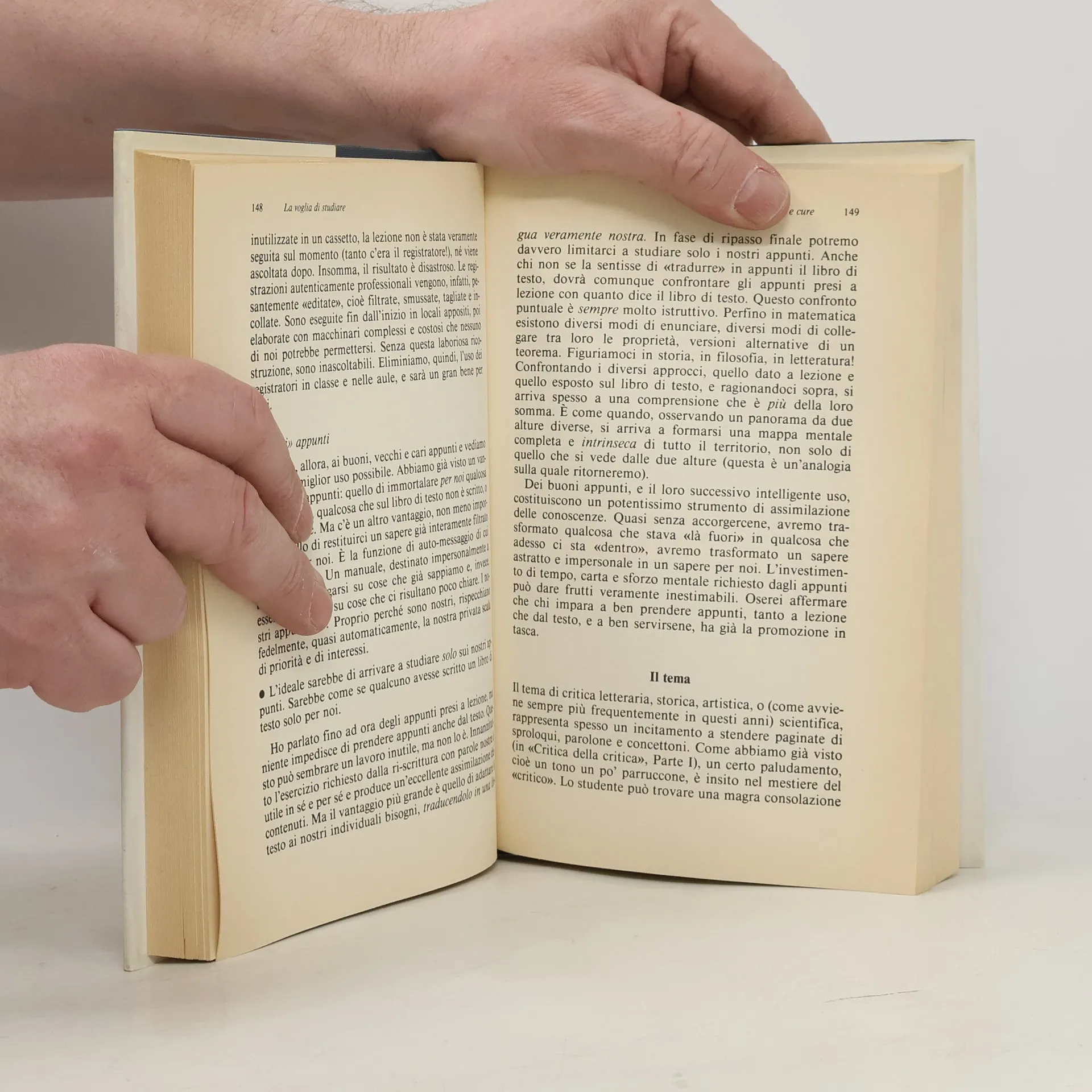
Saggi: La voglia di studiare, Massimo Piattelli Palmarini
- Język

- Rok wydania
- 1991
- Oprawa
- (miękka),
- Stan książki
- Dobry
- Cena
- 1,43 zł
Metody płatności
Brakuje nam tutaj Twojej recenzji.
- Tytuł
- Saggi: La voglia di studiare
- Podtytuł
- Che cos'è e come farsela venire
- Język
- włoski
- Autorzy
- Massimo Piattelli Palmarini
- Wydawca
- A. Mondadori
- Rok wydania
- 1991
- Oprawa
- miękka
- Liczba stron
- 315
- ISBN10
- 8804332778
- ISBN13
- 9788804332770
- Seria
- Kategorie
- Ocena
- 2 z 5
- Opis
- This book presents a state-of-the-art account of what we know and would like to know about language, mind and brain. Chapters by leading researchers in linguistics, psycholinguistics, language acquisition, cognitive neuroscience, comparative cognitive psychology, and evolutionary biology are framed by an introduction and conclusion by Noam Chomsky, who places the biolinguistic enterprise in an historical context and helps define its agenda for the future. The questions explored include: What is our tacit knowledge of language? What is the faculty of language? How does it develop in the individual? How is that knowledge put to use? How is it implemented in the brain? How did that knowledge emerge in the species? The book includes the contributor's key discussions, which dramatically bring to life their enthusiasm for the enterprise and skill in communicating across disciplines. Everyone seriously interested in how language works and why it works the way it does are certain to find, if not all the answers, then a convincing, productive, and lively approach to the endeavour.