

Więcej o książce
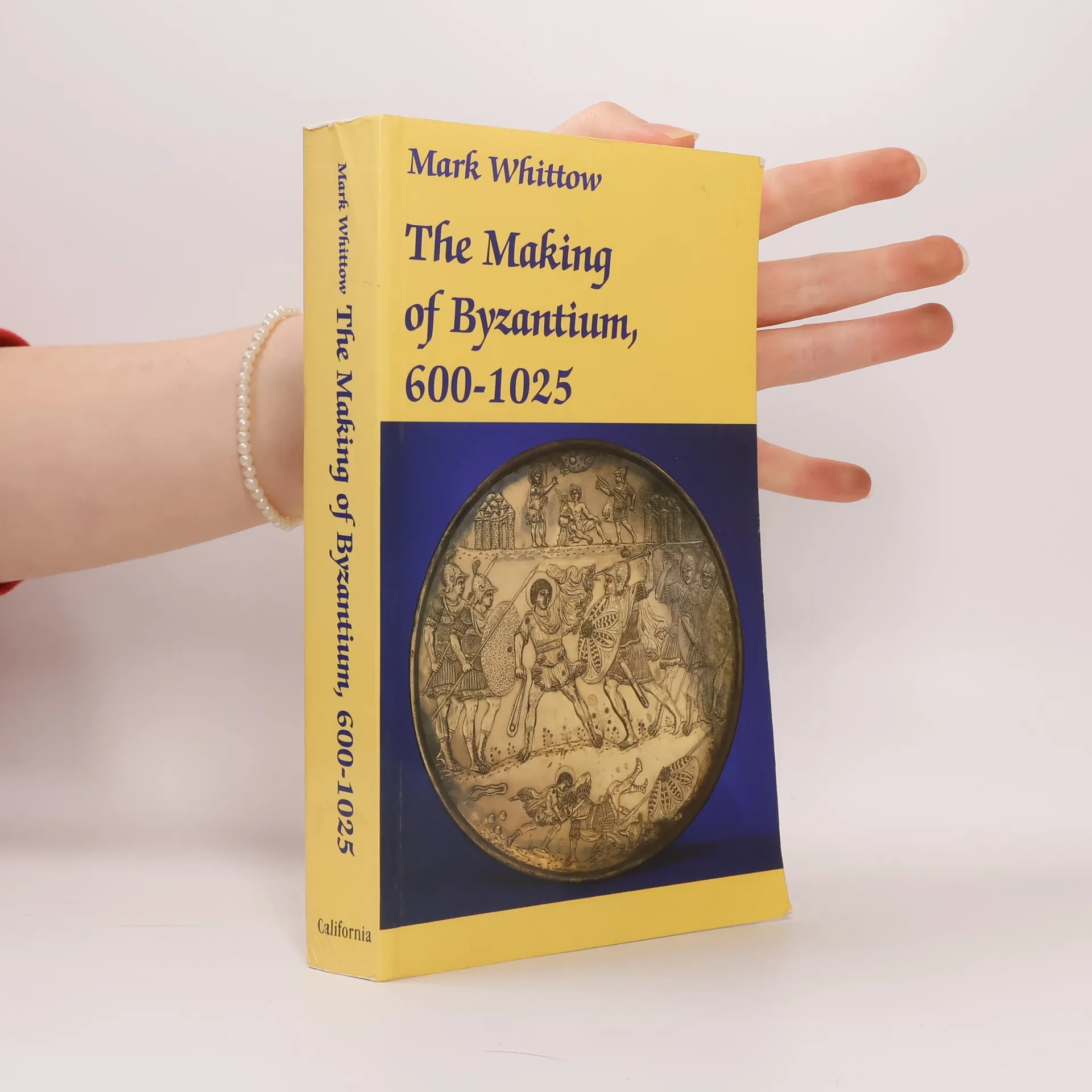
Mark Whittow presents a clear, up-to-date reassessment of the Byzantine empire during a crucial phase in the history of the Near East. Against a geopolitical background (superbly illustrated with fourteen maps), his book covers the last decade of the Roman empire as a superpower, the catastrophic crisis of the seventh century, and the means whereby the embattled Byzantine empire hung on in Constantinople and Asia Minor until the Abbasid Caliphate's decline opened up new perspectives for Christian power in the Near East.A special feature is Whittow's coverage of Byzantium's neighbors, allies, and enemies in Europe and Asia. He stresses the geographical context of events, often overlooked in other accounts of this period. The origins of Russia, relations with the nomad powers of the steppe world, the competition between Bulgars, Romans, and Slavs in the Balkans, and the frequently ignored region of the Transcaucasus are all given extended treatment. No such wide-ranging work has appeared in English for nearly 30 years, and Whittow's book will be invaluable for all scholars, students, and enthusiasts of medieval history.
Zakup książki
The Making of Byzantium, 600-1025, Mark Whittow
- Język

- Rok wydania
- 1996
- Oprawa
- (miękka)
Metody płatności
Brakuje nam tutaj Twojej recenzji.
- Tytuł
- The Making of Byzantium, 600-1025
- Język
- angielski
- Autorzy
- Mark Whittow
- Rok wydania
- 1996
- Oprawa
- miękka
- Liczba stron
- 504
- ISBN10
- 0520204972
- ISBN13
- 9780520204973
- Seria
- Kategorie
- Tagi
- Tematy historyczne, Wojny, Szkoła, Europa, Średniowiecze, Rosja, Starożytność, Historia Europy, Archeologia, Inspiracje, Grecja, Zachodnia Europa, Historia kościoła, Imperium Rzymskie, Iran, Geopolityka, Bałkany, Imperium Bizantyjskie, Nomadzi, Ikony, Mała Azja
- Ocena
- 3,95 z 5
- Opis
- Mark Whittow presents a clear, up-to-date reassessment of the Byzantine empire during a crucial phase in the history of the Near East. Against a geopolitical background (superbly illustrated with fourteen maps), his book covers the last decade of the Roman empire as a superpower, the catastrophic crisis of the seventh century, and the means whereby the embattled Byzantine empire hung on in Constantinople and Asia Minor until the Abbasid Caliphate's decline opened up new perspectives for Christian power in the Near East.A special feature is Whittow's coverage of Byzantium's neighbors, allies, and enemies in Europe and Asia. He stresses the geographical context of events, often overlooked in other accounts of this period. The origins of Russia, relations with the nomad powers of the steppe world, the competition between Bulgars, Romans, and Slavs in the Balkans, and the frequently ignored region of the Transcaucasus are all given extended treatment. No such wide-ranging work has appeared in English for nearly 30 years, and Whittow's book will be invaluable for all scholars, students, and enthusiasts of medieval history.