

Parametry
- 289 stron
- 11 godzin czytania
Więcej o książce
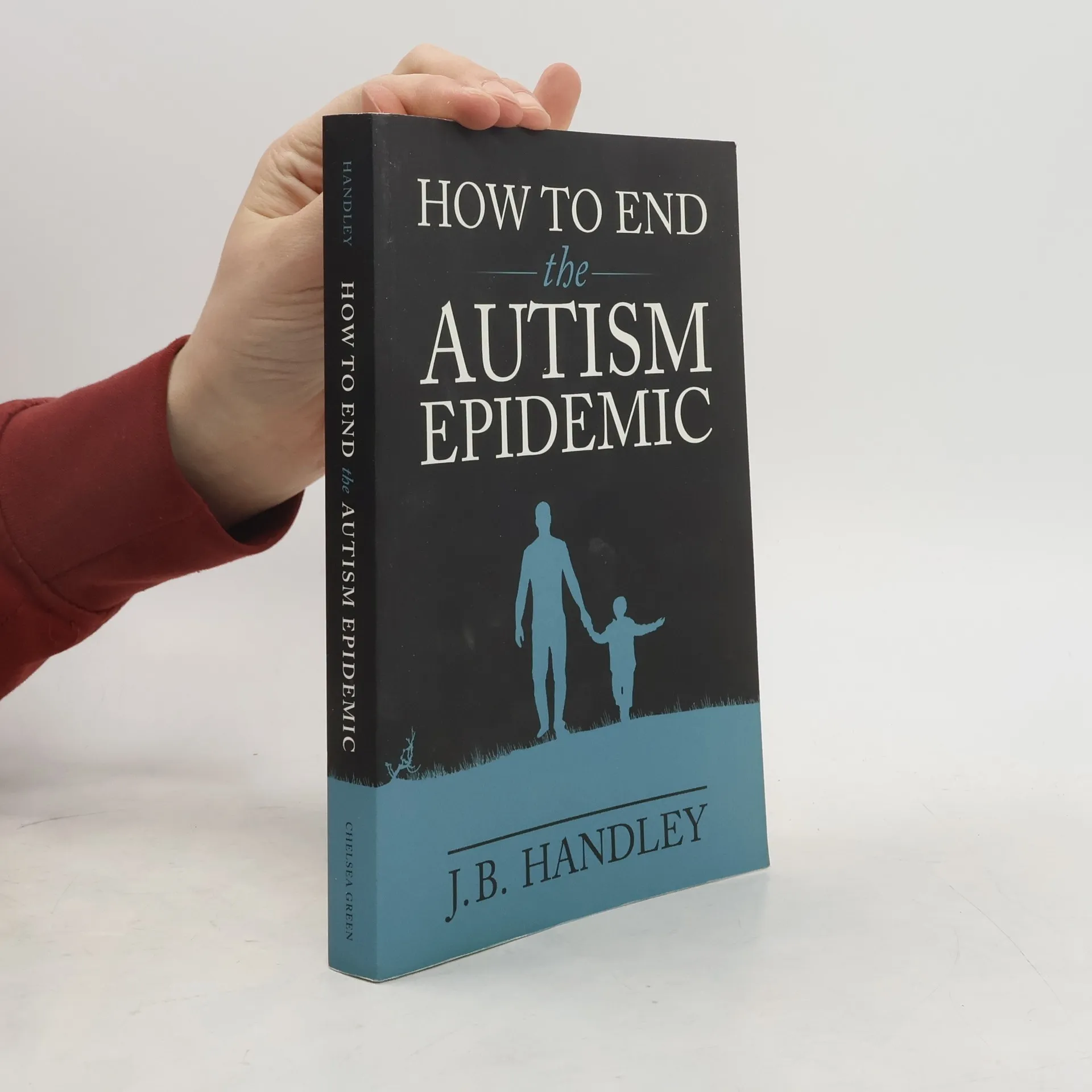
In this thought-provoking exploration, J.B. Handley, co-founder of Generation Rescue, presents a science-based analysis of the autism epidemic, addressing its causes, the misinformation that sustains it, and necessary actions for parents and society. Many parents are unaware that while children in the 1960s received only three vaccines, today’s schedule includes thirty-eight. The perceived risk of adverse reactions is often misrepresented; the actual odds are closer to one in fifty, not one in a million. Autism rates have skyrocketed from one in ten thousand in the 1980s to one in thirty-six today, raising alarms among parents, educators, and social service professionals about a significant public health crisis linked to the expanding vaccine schedule. Handley challenges the refusal of public health officials to properly investigate this issue, dismantling common misconceptions about vaccines and autism. He highlights new research connecting aluminum adjuvants in vaccines to immune activation in infants, potentially triggering autism, and presents legal evidence supporting claims that vaccines can cause autism. Advocating for continued safety investigations, informed consent, and individual assessment of each vaccine, Handley emphasizes the importance of rebuilding public trust to alleviate the suffering of affected families.
Zakup książki
How to End the Autism Epidemic, J. B. Handley
- Język

- Rok wydania
- 2018
- Oprawa
- (miękka)
Metody płatności
Brakuje nam tutaj Twojej recenzji.
- Tytuł
- How to End the Autism Epidemic
- Język
- angielski
- Autorzy
- J. B. Handley
- Wydawca
- Chelsea Green Publishing Co
- Rok wydania
- 2018
- Oprawa
- miękka
- Liczba stron
- 289
- ISBN10
- 1603588248
- ISBN13
- 9781603588249
- Seria
- Kategorie
- Tagi
- Biznes, Zdrowie & Medycyna, Poradniki, Nauka, USA, Zdrowie, Relacje, Tematyka medyczna, Dzieci, Literatura fachowa, Rodzicielstwo, Szczęście, Fitness, Motywacja, Autyzm, Neurologia, Książki motywacyjne, Pediatria, Immunologia, Szczepienia
- Ocena
- 4,4 z 5
- Opis
- In this thought-provoking exploration, J.B. Handley, co-founder of Generation Rescue, presents a science-based analysis of the autism epidemic, addressing its causes, the misinformation that sustains it, and necessary actions for parents and society. Many parents are unaware that while children in the 1960s received only three vaccines, today’s schedule includes thirty-eight. The perceived risk of adverse reactions is often misrepresented; the actual odds are closer to one in fifty, not one in a million. Autism rates have skyrocketed from one in ten thousand in the 1980s to one in thirty-six today, raising alarms among parents, educators, and social service professionals about a significant public health crisis linked to the expanding vaccine schedule. Handley challenges the refusal of public health officials to properly investigate this issue, dismantling common misconceptions about vaccines and autism. He highlights new research connecting aluminum adjuvants in vaccines to immune activation in infants, potentially triggering autism, and presents legal evidence supporting claims that vaccines can cause autism. Advocating for continued safety investigations, informed consent, and individual assessment of each vaccine, Handley emphasizes the importance of rebuilding public trust to alleviate the suffering of affected families.