



Parametry
- 304 strony
- 11 godzin czytania
Więcej o książce
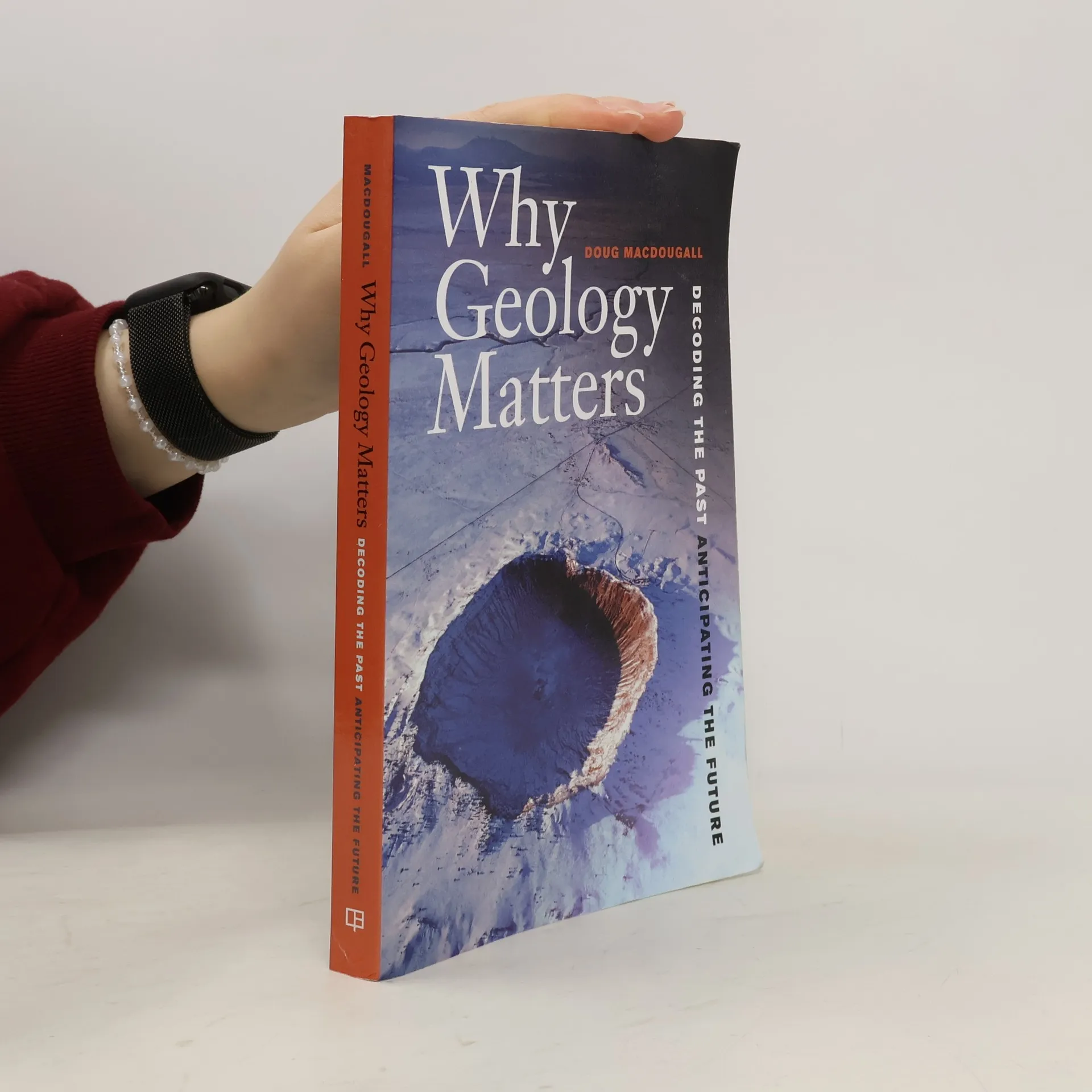
Volcanic dust, climate change, tsunamis, earthquakes—geoscience explores phenomena that profoundly affect our lives. But more than that, as Doug Macdougall makes clear, the science also provides important clues to the future of the planet. In an entertaining and accessibly written narrative, Macdougall gives an overview of Earth’s astonishing history based on information extracted from rocks, ice cores, and other natural archives. He explores such questions as: What is the risk of an asteroid striking Earth? Why does the temperature of the ocean millions of years ago matter today? How are efforts to predict earthquakes progressing? Macdougall also explains the legacy of greenhouse gases from Earth’s past and shows how that legacy shapes our understanding of today’s human-caused climate change. We find that geoscience in fact illuminates many of today’s most pressing issues—the availability of energy, access to fresh water, sustainable agriculture, maintaining biodiversity—and we discover how, by applying new technologies and ideas, we can use it to prepare for the future.
Zakup książki
Why Geology Matters, Doug Macdougall, John D. Macdougall
- Język

- Rok wydania
- 2011
- Oprawa
- (miękka)
Metody płatności
Brakuje nam tutaj Twojej recenzji.
- Tytuł
- Why Geology Matters
- Podtytuł
- Decoding the Past, Anticipating the Future
- Język
- angielski
- Autorzy
- Doug Macdougall, John D. Macdougall
- Rok wydania
- 2011
- Oprawa
- miękka
- Liczba stron
- 304
- ISBN10
- 0520272714
- ISBN13
- 9780520272712
- Seria
- Kategorie
- Tagi
- Tematy historyczne, Przyroda, Nauka, Obserwacja przyrody, Zmiany klimatyczne, Geologia, Nauka o środowisku, Planeta Ziemia, Naukowcy, Konserwacja, Biodiversytet, Trzęsienia ziemi, Asteroidy, Zjawiska Przyrodnicze, Geolodzy
- Ocena
- 4,2 z 5
- Opis
- Volcanic dust, climate change, tsunamis, earthquakes—geoscience explores phenomena that profoundly affect our lives. But more than that, as Doug Macdougall makes clear, the science also provides important clues to the future of the planet. In an entertaining and accessibly written narrative, Macdougall gives an overview of Earth’s astonishing history based on information extracted from rocks, ice cores, and other natural archives. He explores such questions as: What is the risk of an asteroid striking Earth? Why does the temperature of the ocean millions of years ago matter today? How are efforts to predict earthquakes progressing? Macdougall also explains the legacy of greenhouse gases from Earth’s past and shows how that legacy shapes our understanding of today’s human-caused climate change. We find that geoscience in fact illuminates many of today’s most pressing issues—the availability of energy, access to fresh water, sustainable agriculture, maintaining biodiversity—and we discover how, by applying new technologies and ideas, we can use it to prepare for the future.